International broadcasting usually follows unwritten rules. State-run networks push propaganda. Diplomats issue stern warnings. Leaders trade insults on public stages. But boundaries exist. Or at least, they used to.
Recently, the conversation surrounding foreign state media shifted drastically when reports surfaced detailing disturbing content directed from abroad toward American political figures and their families. Specifically, attention turned toward how foreign networks frame political hostility, dragging non-political family members into the geopolitical crosshairs.
Let's look at what actually happened, how the United States reacted, and why media analysts are sounding alarms about this escalation.
The Anatomy of State-Sponsored Hostility
Foreign propaganda isn't new. For decades, governments have used television networks to broadcast anti-Western sentiment, rally domestic base support, and project strength. Yet, targeting children or family members of political figures marks a dark turn in modern information warfare.
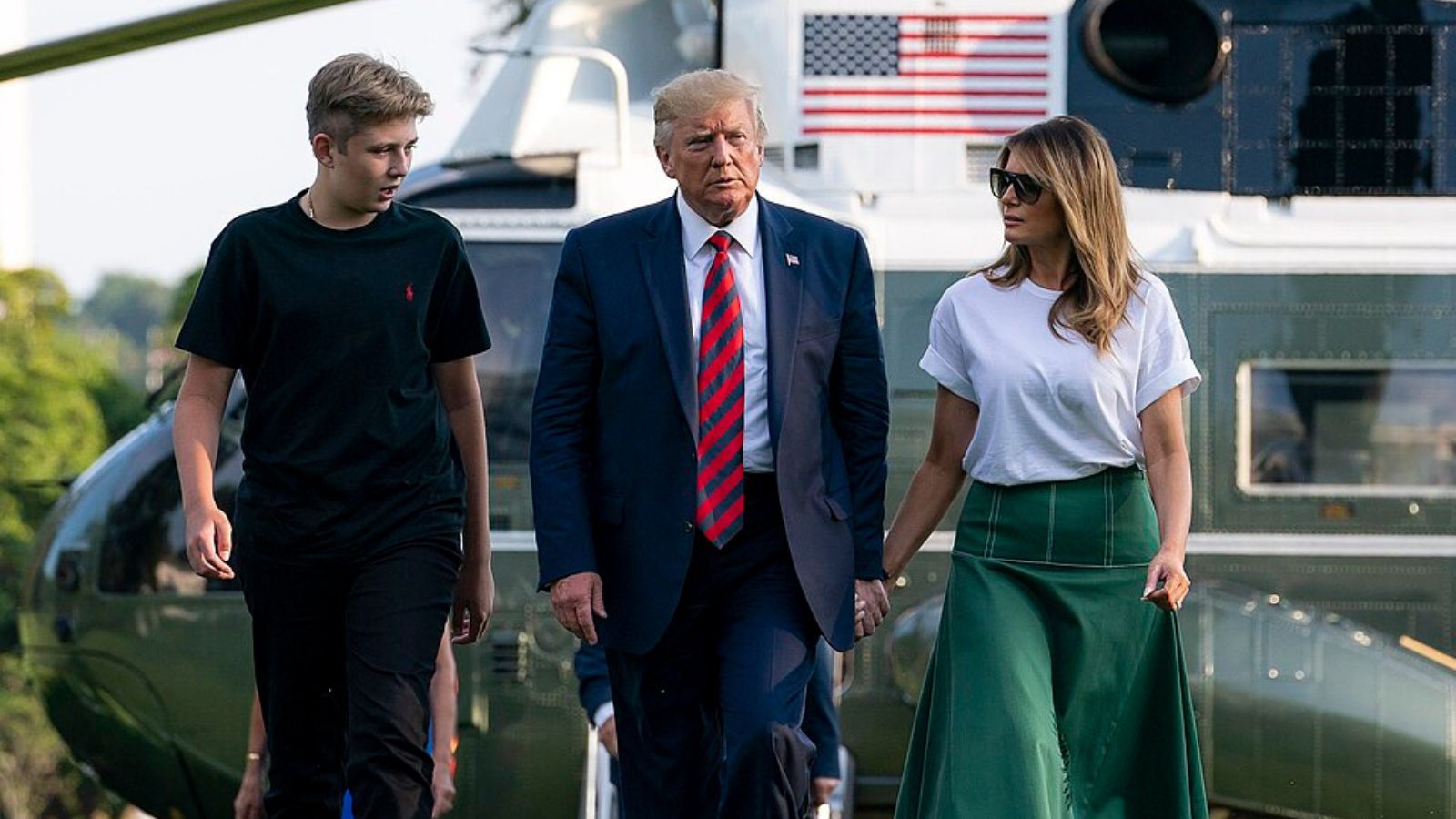
When media outlets cross the line from criticizing policy to featuring threatening imagery against individuals like Barron Trump, it changes the security calculus completely. Propaganda arms of foreign governments operate under direct state oversight. Nothing airs by accident. Every broadcast, graphic, and script undergoes rigorous clearance.
When a network chooses to air threatening or aggressive segments featuring family members, it sends an intentional signal. It's a calculated escalation designed to provoke an emotional reaction from Washington.
How Washington Reacted to the Provocation
Security protocols around presidential families are already intense. The Secret Service maintains a constant, rigid perimeter. But threats broadcast via international television add a layer of psychological warfare that standard physical security details cannot easily block.
Official responses from American political circles were swift and unequivocal. Condemnations spanned party lines because threatening family members violates basic norms of international conduct. Intelligence agencies immediately evaluated the credibility of the broadcast, determining whether it represented a direct operational threat or purely rhetorical intimidation.
Most security experts lean toward the latter, categorizing it as asymmetric psychological operations. Even so, dismissing it entirely is impossible. History shows that heated rhetoric broadcast on state networks can easily inspire lone-wolf actors or radicalized sympathizers abroad.
The Broader Impact on Global Media Norms
We are living through an era where traditional diplomatic guardrails are eroding daily. State media networks act as mouthpieces for regimes under immense economic and political pressure. When internal domestic struggles mount, authoritarian governments routinely manufacture external enemies to distract their populations.
Dragging family members into these narratives exposes a desperate strategy. It signals that foreign adversaries are willing to discard every conventional rule of engagement.
Media watchdogs and international bodies face a tough reality. Condemning these broadcasts changes very little on the ground. Networks funded by foreign treasuries care nothing about journalistic ethics or international outrage. They answer only to the regime holding the purse strings.
Protecting public figures requires adapting to these new threat vectors. Information security now merges seamlessly with physical safety. As long as foreign adversaries use televised intimidation tactics, the response from democratic nations must remain unified, vigilant, and entirely unimpressed by cheap propaganda ploys.