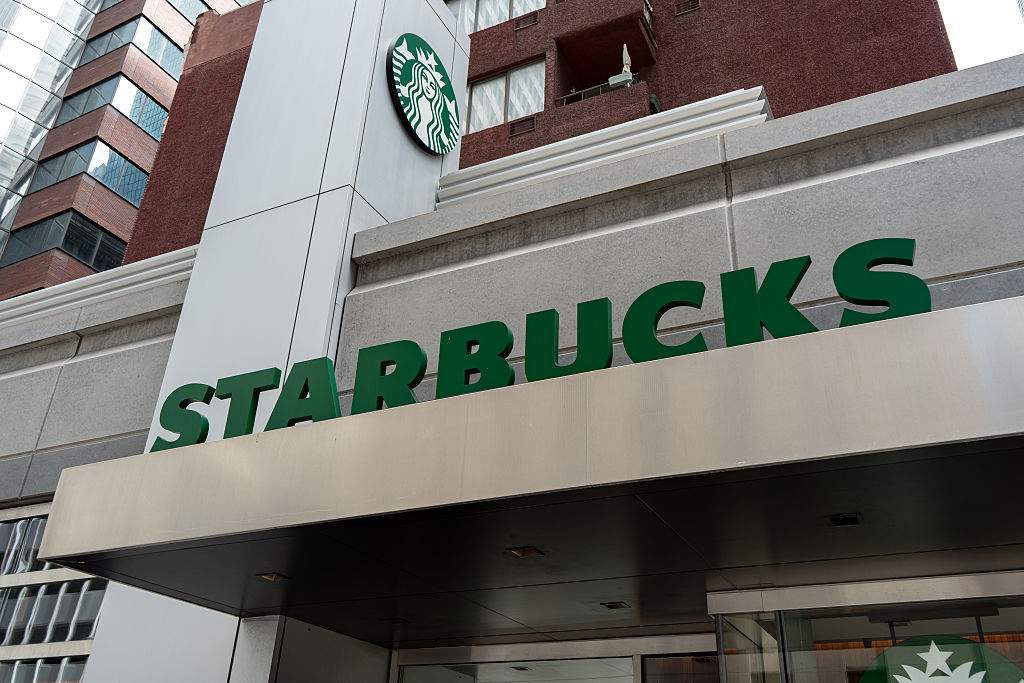
Every time a consumer catches wind of a discrepancy between marketing copy and chemical reality, the pitchforks come out. The latest class action targeting Starbucks over allegedly mislabelled sugar-free beverages follows a depressingly predictable script. Plaintiffs claim they were duped. Lawyers smell settlement money. Pundits posture about corporate accountability.
It is all smoke, mirrors, and profound economic illiteracy. Also making waves in related news: Why Atlantic Canada Hospitality Workers Are Facing a Brutal Tipping Recession.
I have watched brands navigate product formulation, supply chain chaos, and menu architecture from the inside for over a decade. I have seen companies blow millions on litigation over trivial label discrepancies while the actual mechanics of consumer consumption remain entirely misunderstood by the public. This lawsuit is not about consumer protection. It is a symptom of a society addicted to the fantasy that food and beverage delivery systems can be perfectly controlled in a high-speed, mass-volume operational environment.
Let us look past the sensationalized headlines and dismantle the lazy consensus. Additional information on this are explored by The Wall Street Journal.
The Operational Reality Of High Speed Customization
To understand why this lawsuit falls apart under basic operational scrutiny, you have to stand behind an espresso bar during a Monday morning peak rush. You have hundreds of tickets hanging from the rail. Customers are demanding modifications that rival a chemical laboratory recipe. Almond milk instead of oat, half-pump of vanilla, extra hot, light foam, decaf, organic sweetener.
In this environment, every beverage is a custom manufacturing event executed by human beings under severe time constraints.
The core argument of the plaintiffs rests on the naive assumption that a quick-service restaurant functions like a pharmaceutical lab. It does not. When a barista reaches for a pump dispenser, human error, pump calibration drift, and cross-contamination are not anomalies; they are statistical certainties of scale. Expecting zero variance in a cup of coffee assembled in forty seconds by a part-time worker making minimum wage is like expecting a McDonald's drive-thru to win a Michelin star.
The lawsuit treats a variable hospitality product as a standardized consumer packaged good. That category error invalidates the entire premise of their legal grievance.
The Phantom Threat Of Trace Glycemic Impact
Let us talk about the chemistry. The outrage surrounding these beverages implies that trace amounts of residual sugars or alternative sweeteners hidden in syrups are quietly sabotaging health goals, triggering insulin spikes, or breaking strict dietary protocols.
This is physiological theater.
In most commercial flavoring syrups, even those marketed as sugar-free or diet, the flavor profile relies on high-intensity artificial sweeteners like sucralose or acesulfame potassium, suspended in a carrier liquid that may contain minute quantities of fermentable carbohydrates or residual sugars from manufacturing lines. We are talking about fractions of a gram per serving.
If your metabolic health is fragile enough to be ruined by a milligram of stray maltodextrin carrier in a coffee syrup, you have far bigger clinical vulnerabilities than your morning latte. The human body encounters greater glycemic variability by simply walking past a bakery window and inhaling the ambient aromas than it does from a trace mislabeling in a pump of flavored syrup.
We are weaponizing trace chemistry to fuel an outrage economy.
Why Consumers Secretly Want To Be Fooled
Here is the uncomfortable truth that neither the plaintiffs nor their attorneys want to admit: consumers do not actually want radical transparency. They want absolution.
Ordering a sugar-free beverage at a coffeehouse is often a psychological ritual. It is a way to negotiate with one's own dietary discipline. The customer wants the sensory reward of a high-calorie dessert combined with the moral superiority of a health-conscious choice. When a lawsuit exposes the messy reality that their beverage might contain four more calories or a trace amount of sugar than advertised, it shatters the illusion.
The anger directed at Starbucks is displacement. People are not mad about the syrup; they are mad that reality is messy, that corporations are imperfect, and that maintaining health requires personal agency rather than trusting a menu board to do the work for them.
Suing a coffee chain because your drink might have had an undetectable amount of sugar is the ultimate luxury grievance. It diverts legal resources and public attention away from genuine corporate malfeasance and systemic public health crises, replacing them with a petty dispute over flavored water and dairy alternatives.
Stop looking for villains behind every counter. Sometimes a mistake is just a mistake, and sometimes a cup of coffee is just a cup of coffee.