Reconstructing ancient trade networks requires moving beyond static artifact distribution maps and interrogating the underlying logistics, energy costs, and sociopolitical mechanisms that made long-distance exchange possible. Recent archaeometric findings revealing chemical traces of cacao east of the Mississippi River a millennium ago challenge traditional models of prehistoric interaction, demanding a rigorous re-examination of how high-status consumables moved across ecological and political boundaries in pre-Columbian North America.
Understanding the diffusion of Mesoamerican cacao into the Eastern Woodlands necessitates breaking down the transaction structure of prehistoric economies. The prevailing paradigm often assumes down-the-line exchange where goods trickle across tribal boundaries through reciprocal gifting. However, the presence of theobromine and caffeine residues in Cahokia-era pottery demands a more sophisticated analytical model. Transporting perishable, high-value luxury goods over hundreds of miles requires centralized resource pooling, elite patronage, and a strong incentive structure that offsets the severe friction of distance.
The Mechanics of Prehistoric Supply Chains
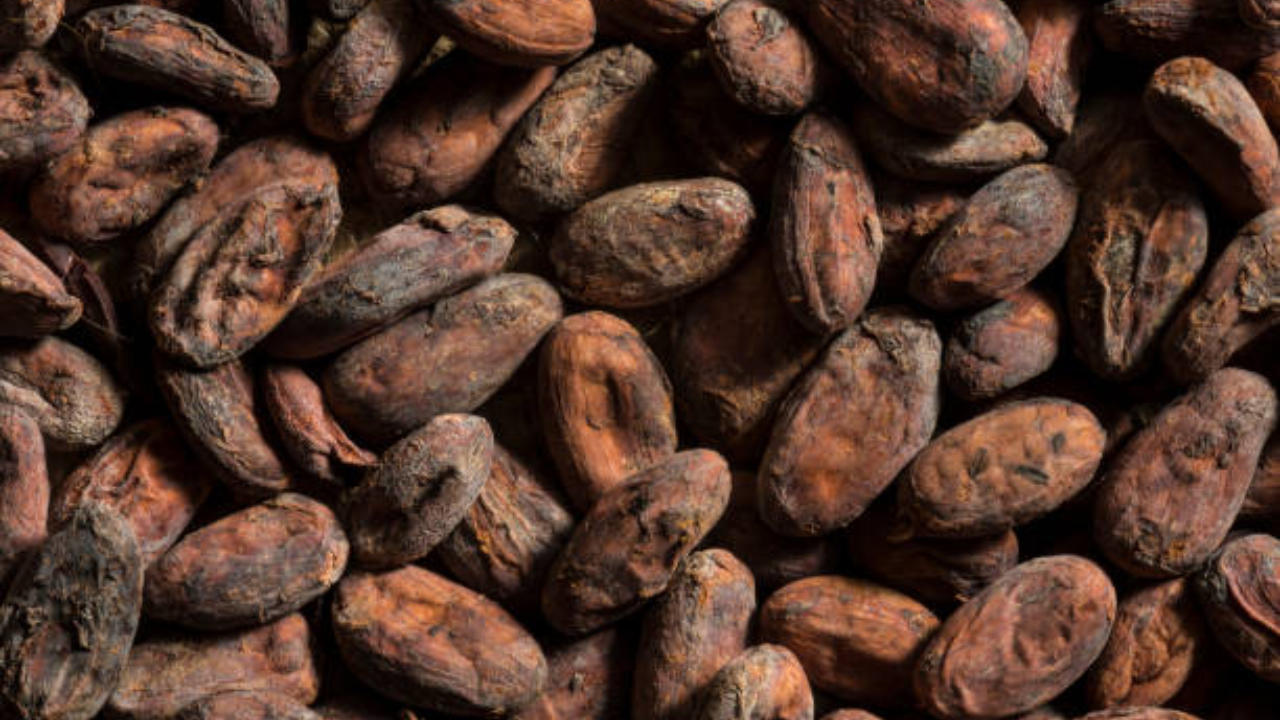
The logistics of moving cacao from Mesotropical zones to the American Bottom present a steep energetic gradient. Cacao does not grow north of the tropical lowlands, meaning every bean or processed paste consumed at major Mississippian centers represented a depleted caloric and labor investment.
To evaluate this movement, we must examine three distinct variables: transport efficiency, preservation methodology, and value density.
- Transport Efficiency: Pre-Columbian North America lacked draft animals or wheeled transport. All goods moved via pedestrian porterage or watercraft. Water networks, specifically the Mississippi-Missouri river system, provided a low-friction conduit, but upstream movement against current velocity imposed high metabolic costs.
- Preservation Methodology: Raw cacao beans are susceptible to mold and humidity degradation during long-distance transit. Processing beans into dried pastes, cakes, or fermented blocks optimized weight-to-value ratios, concentrating the bitter stimulant compounds for elite consumption.
- Value Density: Because cacao was scarce and non-local, its value was fundamentally ideological and ritualistic. The high transaction costs of procurement were subsidized by its utility in reinforcing sociopolitical hierarchy during communal feasts.
The Social Architecture of Feasting
The archaeological signature of cacao east of the Mississippi is not found in domestic middens or routine trash pits, but rather in specialized ritual vessels associated with large-scale communal events. This context clarifies the economic function of the import.
In complex chiefdoms, elite status is maintained not merely through material hoarding, but through redistribution and the orchestration of debt. Feasting served as a mechanism of political integration and mobilization. By controlling access to exotic substances that carried cosmological weight, emerging elites at centers like Cahokia converted distant trade connections into local political leverage.
The consumption of frothy, bitter cacao beverages during ritual gatherings acted as a performative display of reach and authority. The bitter flavor profile, foreign origin, and stimulant properties combined to create a multi-sensory validation of elite status. The energetic expenditure required to import the commodity directly correlated with the political capital gained by the host.
Methodological Rigor in Residue Analysis
The identification of ancient cacao relies heavily on biomolecular archaeology, specifically liquid chromatography-tandem mass spectrometry capable of isolating specific methylxanthines: theobromine, caffeine, and theophylline. Theobromine serves as a primary chemical marker because its natural distribution in North America is virtually restricted to Theobroma cacao (though minor variants exist in some holly species, the chemical ratios isolate cacao).
Researchers must navigate significant taphonomic variables. Soil chemistry, microbial degradation, and modern contamination can alter organic residues embedded in porous ceramic walls. Consequently, robust analysis requires comparing organic extracts from specialized vessel forms—such as beakers, Cahokia-style jars, and symbolic head pots—against control samples from unutilized soils and non-feasting contexts. The positive identification of these markers in eastern North American sites confirms that long-distance exchange networks were far more integrated than previously theorized.
Re-evaluating Continental Interaction Networks
The presence of Mesoamerican trade signatures in the Mississippian heartland dismantles the concept of isolated regional cultures operating independently. Instead, the data points to a permeable continental network where high-value prestige goods traveled along established interaction spheres, bridging the Gulf Coast, the Southeast, and the Midwest.
This connectivity was not sustained by continuous commercial markets, but by down-the-line alliance-building, diplomatic gift exchange, and specialized procurement expeditions. The energy invested in acquiring these goods demonstrates that prehistoric societies placed a high premium on maintaining ideological ties across vast geographic spans.
Strategic Operational Outlook
Future research must shift from simply documenting presence to quantifying volume, frequency, and exact transit routes. By pairing high-resolution spatial modeling with expanded organic residue databases, archaeologists can transition from qualitative description to predictive economic mapping. The objective is to calculate the exact trade velocity and elite dependency ratios that characterized Mississippian political expansion.