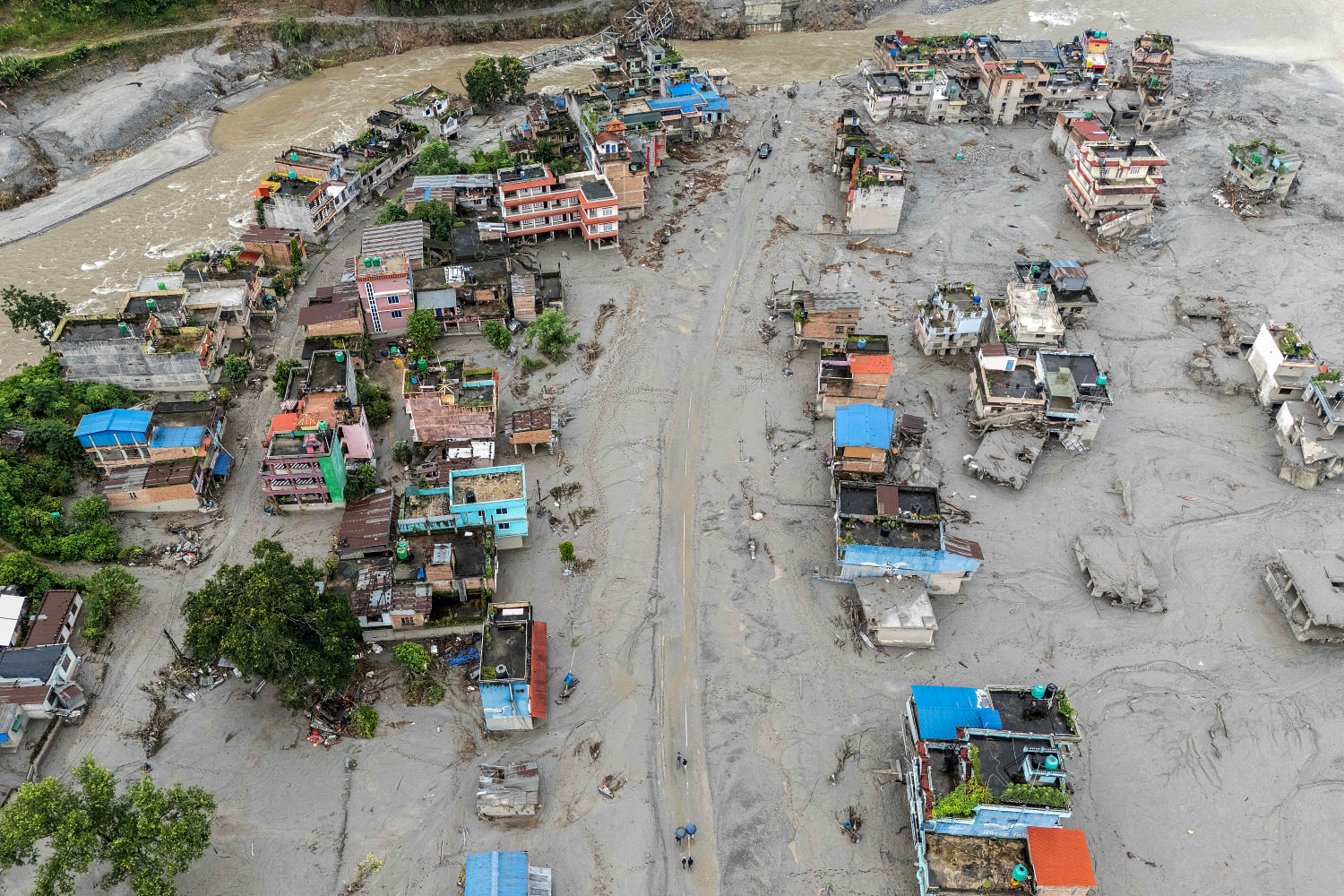
The numbers arrive in bright, flat pixels on a screen. Six hundred. Then two thousand four hundred. They are sterile digits designed to fit neatly into a morning news crawl, digestible enough to be absorbed between a sip of black coffee and the zip of a commuter jacket. But numbers do not weigh anything. They do not carry the scent of wet mortar or the sharp, coppery panic that hangs heavy in an alleyway where a home used to stand.
Behind every single one of those figures is an empty chair.
Consider a man named Marcus, a hypothetical resident whose silhouette mirrors thousands across the disaster zone. Yesterday, his primary concern was the rusted hinge on his front gate. Today, the concept of a front gate belongs to another century. The earth moved with a casual violence that human architecture was never designed to endure. When the ground finally stopped shaking, the dust rose like a curtain, blinding the morning sun and plunging an entire community into a gray, choking twilight.
Silence followed. Not the peaceful quiet of a country morning, but the heavy, waiting silence of a giant holding its breath.
Rescue operations began before the dust settled. Boots hit the rubble. Hands tore at concrete until fingernails cracked and bled. To understand the scale of this crisis, you have to look past the abstract totals and watch the slow, agonizing geometry of a search.
Imagine standing on a mountain of shattered brick that was once a neighborhood bakery. You hold a thermal scanner. You listen for a tap. One tap means stay. Two taps mean move. Every boulder shifted is a gamble against gravity, a delicate negotiation between saving a life buried beneath and avoiding a secondary collapse that could crush the very hands trying to help.
The death toll climbs past six hundred not because help arrived too late, but because the geography of catastrophe is impossibly vast. Roads are ribbons of cracked asphalt ending abruptly in jagged cliffs where bridges used to span. Communications are dead. Helicopters fight erratic winds just to drop bottled water to pockets of survivors stranded on isolated islands of rooftop concrete.
Yet, the greater ghost in this tragedy is the missing.
Two thousand four hundred souls suspended in a terrible maybe. Are they sheltering in a pocket of air deep beneath a basement floor, listening to the muffled footsteps of rescue dogs pacing above them? Are they walking dazed down a highway miles away, stripped of their phones, their wallets, their names? That uncertainty is a slow poison for the families huddled behind police tape, watching cranes lift slabs of concrete with the delicate precision of surgeons.
Every time a slab is hoisted, breath catches in a hundred throats. They lean forward. They squint. They wait to see a familiar sleeve, a ring, a shoe. When the crane sets the stone down and the search dogs sit back with tails down, a collective sigh of grief rolls across the crowd. Not yet. Or worse.
We tell ourselves stories about resilience because the truth is too sharp to look at directly. We praise the human spirit as if it were an armor that never dents. But resilience is not a glowing superpower. It is bruised knuckles, bloodshot eyes, and the stubborn refusal to stop digging when your arms feel like lead. It is a mother refusing a blanket because someone else looks colder. It is a teenager carrying a battery-powered radio through the dark, searching for a frequency that still broadcasts hope.
The statistics will update tomorrow. The number will likely rise as rescue teams push past the outer rings into the rural valleys where landslides swallowed whole hamlets. Bureaucrats will draft reports. Committees will allocate funds.
But long after the news vans pack their cables and the satellite trucks drive away, the silence will remain. It lives in the gaps where houses used to stand, in the photographs tucked into pockets, and in the space between what was a normal Tuesday and the exact second the world broke in half.


