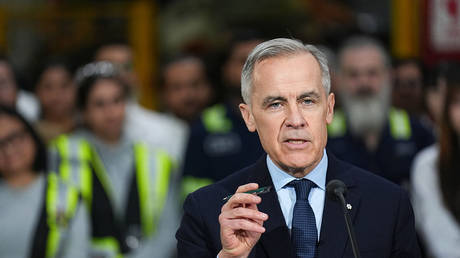
Comparing Alberta to Brexit isn't just a dramatic talking point. It's a stark economic warning. Prime Minister Justin Trudeau recently made headlines by explicitly warning the oil-rich province against pursuing a self-destructive, sovereignty-association path. For years, the federal government walked on eggshells around Western alienation. Not anymore. Ottawa is directly challenging the Alberta government's sovereignist rhetoric, drawing a straight line between the UK's chaotic exit from the European Union and Alberta's current political trajectory.
The comparison is apt, though the financial stakes for Western Canada might actually be higher. When Premier Danielle Smith pushes initiatives like the Alberta Sovereignty within a United Canada Act, or flirts with leaving the Canada Pension Plan (CPP), she pitches it as reclaiming local control. Trudeau's counter-argument cuts through the political theater. He argues that breaking apart a highly integrated economic union creates massive friction, kills investor confidence, and leaves ordinary citizens holding the bag.
We need to look past the political posturing and look at the actual numbers. The economic reality of separation looks vastly different from the campaign promises.
The Cold Math of an Alberta Exit
Sovereignty advocates always promise a painless transition. They claim Alberta sends far more to Ottawa in taxes than it receives. While structural imbalances exist in Canadian equalization, the idea that a province can simply opt out of federal jurisdiction without catastrophic financial friction is a fantasy.
Look at the UK experience. Leaving a unified market means rewriting thousands of regulatory rules overnight. For an economy tied heavily to oil and gas exports, creating legal uncertainty is the fastest way to dry up foreign direct investment. Global energy firms hate instability. If capital can't predict the legal framework of a jurisdiction for the next twenty years, it moves to Texas or the North Sea.
The CPP exit proposal provides a perfect case study in risky assumptions. The Alberta government previously claimed the province is entitled to over 50% of the entire national pension fund asset pool if it walks away. Independent economists and the Canada Pension Plan Investment Board quickly dismantled those figures as mathematically impossible. A messy legal battle over asset division would tie up billions in courts for a decade. During that time, retirees would face unprecedented anxiety about the security of their monthly checks.
The Landlocked Reality and Interprovincial Trade
Britain is an island with direct access to global shipping lanes. Alberta is landlocked. This geographical truth changes everything.
A sovereign Alberta would still rely entirely on federal Canadian territory or the United States to get its oil, gas, and agricultural products to market. Under international law, a breakaway state doesn't magically inherit transit rights through a neighbor's pipelines or rail networks.
[Global Markets] <-- Requires Coastal Access <-- [Neighboring Provinces/US] <-- [Landlocked Alberta]
If Alberta separates or operates under a framework where it ignores federal laws, it loses its institutional leverage. British Columbia could easily drag its feet on pipeline access. The federal government would no longer be obligated to champion Alberta's interests in international trade disputes. The province would find itself in a weaker negotiating position with the United States over softwood lumber and energy tariffs. You don't get more autonomy by alienating your only geographical pathways to the global economy.
Turning Down the Rhetoric and Protecting Your Capital
Chasing constitutional grievances feels good on the campaign trail, but it makes for terrible economic policy. The real risk to Albertans isn't a sudden, formal declaration of independence. It's the slow, steady erosion of stability that happens when a government constantly picks fights with the central bank, national pension managers, and the federal courts.
If you live or operate a business in Western Canada, you can't control provincial rhetoric. You can control your exposure. Diversifying your investments outside of purely provincial assets is a smart hedge against political volatility. Keep a close eye on the actual legislative steps taken regarding provincial tax collection and pension management rather than the public shouting matches. True economic strength comes from stability and integration, not from building walls and hoping the rest of the world respects your new sandbox.