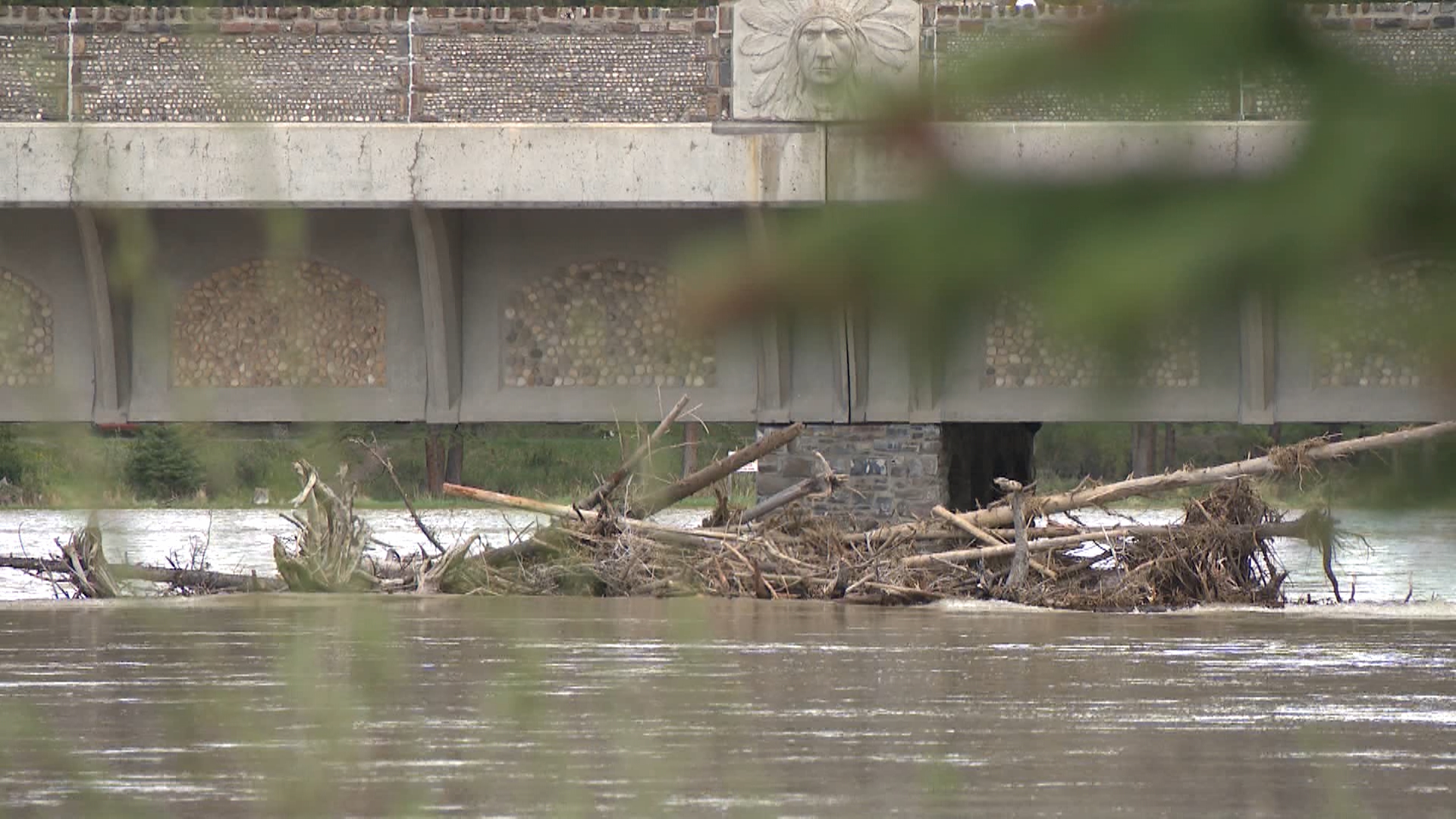
Southern Alberta is staring down a brutal weather cocktail. It's the kind of mix that makes local emergency officials lose sleep. We have a massive, rapid mountain snowpack melt colliding directly with a multi-day deluge. Environment Canada is tracking a wet, cold front moving into the region, dropping anywhere from 50 to 100 millimetres of rain over a short period.
If you live anywhere near the Bow River, the Elbow River, or down toward Lethbridge, you need to understand that this isn't just a heavy spring shower. It's a high-stakes test of our infrastructure and personal preparedness. For a different view, consider: this related article.
The immediate threat is real. Water levels are rising rapidly. The province has already triggered a flood watch for the Pipestone and Bow Rivers near Lake Louise. High streamflow advisories are stretching from Banff down to the Ghost Reservoir. In Lake Louise, low-lying trails are already underwater, and Banff crews are actively deploying Tiger Dams—temporary water-filled flood barriers—to protect vulnerable zones.
The real problem isn't just the rain. It's the soil and the timing. Related reporting on this matter has been provided by Al Jazeera.
The Science Behind the Rising Waters
When a massive dumping of rain hits dry or oversaturated soil all at once, the earth simply stops absorbing water. Meteorologists point out that when soil becomes hydrophobic after dry spells, or completely packed with moisture from early melts, rain has nowhere to go. It sits. It pools. Then it runs straight into the nearest river basin.
Right now, the mountain peaks still hold a heavy snowpack. Unseasonably warm temperatures earlier in the week started liquefying that snow, filling our river systems to the brim before the first raindrop even fell. Now, the cold front is arriving with 50 to 90 millimetres of rain forecast for Calgary alone, and potentially up to 100 millimetres or more in the southwest regions around Lethbridge and the mountain foothills.
This combination creates a double-whammy effect. You get high alpine runoff meeting heavy valley rainfall. The rivers don't just rise; they swell with intense speed and carry heavy debris that can batter bridges and choke culverts.
What Cities Are Doing to Fight Back
Memories of the devastating 2013 floods still haunt Calgary and surrounding municipalities. Because of those lessons, the response this time is aggressive and proactive rather than reactive.
In Calgary, water management officials have already lowered the Glenmore Reservoir by about a full metre. This creates an engineered buffer zone. It's designed to trap surging flows from the Elbow River before they can spill into downtown neighbourhoods.
- Boating Advisories: Calgary has issued a total ban on water activities for both the Bow and Elbow Rivers. Don't go near the water.
- Debris Management: Crews are monitoring river outfalls and lift stations 24/7 to ensure floating logs and gravel don't cause structural blockages.
- Infrastructure Testing: Temporary flood barriers are staged and ready for rapid deployment along the most vulnerable pathway systems.
Further south, Lethbridge officials are prepping for a massive downfall. They are actively warning people to stay completely out of the coulees, where steep clay trails turn into treacherous mudslides during intense rain events.
How to Protect Your Own Property Right Now
Municipal infrastructure can only do so much. If water wants to find a way into your basement, it will look for every cracked foundation or poorly maintained downspout. You need to take control of your own perimeter before the ground saturates completely.
Fix Your Drainage Logistics
Walk around your house right now. Your eavestroughs and downspout extensions must direct water at least 1.5 to 3 metres away from your foundation. Throwing water onto concrete right next to your basement wall guarantees a flooded cellar. Direct the flow toward landscaped areas where the grass can try to absorb it. Clean out your window wells. If they're full of dead leaves and dirt, they will fill up like tiny swimming pools and burst through your basement windows.
Test Your Mechanical Defenses
If you have a sump pump, don't assume it works just because it worked last summer. Pour a bucket of water into the sump pit to ensure the float switch triggers and the pump actually evacuates the water. More importantly, verify your backflow prevention valve is clear. When municipal storm sewers fill up, they push sewage backward into residential lines. A working backflow valve is the only thing standing between your basement floor and raw sewage.
Secure the Interior
Stop storing sentimental items, electronics, or important documents directly on your basement floor. Put them in watertight plastic bins and move them upstairs or onto high shelving. If you lose power, your sump pump stops running unless you have a battery backup system. Prepare for that exact scenario.
Navigating the Next 72 Hours
The upcoming days require situational awareness. If you see water pooling around a storm drain in your neighbourhood, don't just ignore it. If it doesn't drain within 90 minutes, take a picture and log it through your local 311 app so city crews can clear the debris.
Do not drive through large puddles or flooded underpasses. Six inches of moving water can easily knock an adult off their feet. Twelve inches can float a small car, and two feet of rushing water will carry an SUV away down a street. If your car stalls in rising water, abandon it immediately and move to higher ground.
Stay glued to the Alberta Rivers app and local emergency alerts. Conditions in the foothills change fast, and staying ahead of the cresting river levels is your best defense. Clear your drains, check your pumps, and keep your emergency kits ready.