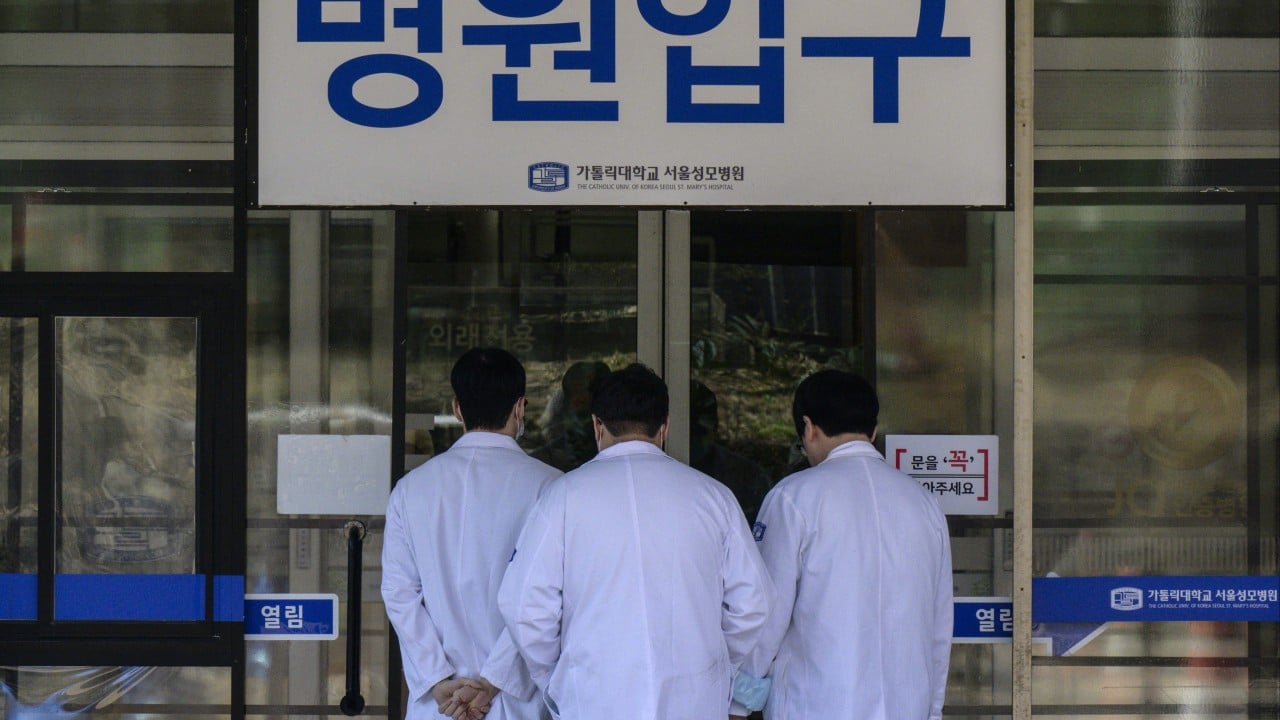
Eight years have passed since Dr. Lim Se-won walked out of his consultation room at Kangbuk Samsung Hospital in Seoul and died trying to save his nurses from a knife-wielding patient. You would think an event that horrifying would trigger an overnight overhaul of hospital security across South Korea. It didn't.
If you ask frontline medical workers in Seoul or Busan today whether their clinics feel safer than they did in December 2018, the answer is almost universally no. Panic buttons sit unplugged under desks, security guards are stretched thin across massive hospital wings, and legal punishments for assaulting healthcare workers remain shockingly light. The laws passed in the immediate aftermath of Lim's death look decent on paper, yet they've mostly failed where it actually counts—inside the examination room. If you enjoyed this piece, you should look at: this related article.
What Happened to Dr. Lim Se-won in December 2018
On December 31, 2018, a 30-year-old patient walked into the psychiatric outpatient clinic at Kangbuk Samsung Hospital carrying a 30-centimeter kitchen knife. He hadn't visited the clinic for over a year. During the consultation, the man suddenly attacked Dr. Lim Se-won, a respected psychiatrist known nationally for his suicide prevention programs and compassionate approach to mental health care.
Lim ran out of the room, not straight toward the exit, but back toward the nursing station to warn his staff to evacuate. That split-second decision cost him his life. He was stabbed multiple times in the chest and died in the emergency room later that afternoon. For another perspective on this development, check out the latest coverage from TIME.
The public reaction was swift and furious. Thousands of citizens signed petitions demanding stiffer penalties for hospital violence, and the Korean Medical Association declared a state of crisis. Politicians promised immediate legislative action, naming the resulting reform package the "Lim Se-won Act."
Why the Lim Se-won Act Fell Short in Practice
When the National Assembly passed amendments to the Medical Service Act in early 2019, lawmakers patted themselves on the back. On paper, the legislation looked tough. It introduced mandatory safety equipment for hospitals over a certain size, created a new crime category for causing death or serious injury to medical staff, and restricted judges from handing down mere fines when a healthcare worker is seriously hurt.
Here's the catch. The law left massive loopholes that rendered it practically toothless for everyday clinical environments.
- Hospital size thresholds excluded smaller clinics. The mandate requiring dedicated security guards and emergency alarm systems connected directly to police stations only applied to hospitals with 100 or more beds. Neighborhood clinics, private psychiatric offices, and smaller community hospitals—where doctors are often completely alone with patients—were left entirely on their own.
- Unarmed guards can't stop armed attackers. Even in large tertiary hospitals that complied with the law, the hired security personnel are typically older subcontracted workers with zero law enforcement authority and no defensive gear. If someone pulls a weapon, a guard in a standard uniform can't physically subdue them without risking their own life or facing assault charges themselves.
- The mental illness loophole remains contentious. Under South Korean criminal law, defendants diagnosed with severe psychiatric conditions often receive reduced sentences under diminished capacity provisions. While legal experts rightly point out that untreated psychosis requires medical intervention rather than blind vengeance, doctors on the ground feel abandoned when violent offenders walk away with suspended sentences.
The Numbers Behind Violence Against Korean Medical Staff
Data from the National Police Agency and the Ministry of Health and Welfare paints a grim picture that directly contradicts the narrative of progress. Rather than dropping after 2019, reported incidents of violence, threats, and property destruction inside medical facilities have stayed stubbornly high.
According to police statistics released in recent years, roughly 2,000 cases of assault or obstruction of medical practice are reported annually across South Korea. That works out to more than five attacks every single day. And those are just the incidents that actually make it into a police report.
Emergency rooms bear the brunt of this hostility. Intoxicated patients and angry family members routinely shove, punch, and threaten triage nurses and residents during peak weekend hours. In outpatient psychiatry and internal medicine clinics, the violence tends to be quieter but far more targeted—patients harboring delusions or grievances over disability ratings, prescription denials, or billing disputes.
Honestly, most doctors don't even bother filing charges anymore. Pressing criminal charges means taking hours away from patient care to sit in police stations, hiring personal lawyers, and enduring months of counter-accusations from the attacker's family. Hospital administrators often quietly pressure staff to settle out of court just to avoid bad publicity or negative online reviews on Naver.
The Structural Flaws Nobody Wants to Fix
If you look closely at why hospital violence persists in South Korea, you quickly realize it isn't just a policing problem. It's baked into how the healthcare system operates.
The Three-Minute Consultation Trap
South Korea's National Health Insurance system keeps medical fees remarkably low, which forces hospitals and private clinics to survive on sheer volume. A typical outpatient doctor sees 40 to 60 patients in a single morning session. That leaves roughly three to five minutes per patient.
Try building trust, explaining a complex diagnosis, or de-escalating an agitated patient in three minutes. You can't. Patients wait two hours in a crowded lobby only to get rushed out of the doctor's office before they've finished listing their symptoms. That systemic friction breeds resentment long before the consultation even begins, and the person sitting across the desk in the white coat absorbs all of it.
Architectural Blind Spots in Consultation Rooms
Walk into almost any examination room in Seoul, and you'll notice a fatal design flaw. The doctor's desk is pushed against the back wall, with the patient sitting directly between the doctor and the single exit door.
When Dr. Lim was attacked, he had to get past his assailant just to reach the hallway. Safety guidelines drafted after 2018 recommended dual-exit rooms—an escape door behind the doctor's chair leading into a secure staff corridor. Retrofitting existing clinics costs money, though, and the government offered almost zero financial subsidies to help smaller hospitals renovate. Most clinics simply ignored the recommendation.
Stigma vs. Safety in Psychiatric Care
Psychiatrists face a uniquely agonizing dilemma. Installing airport-style metal detectors, bulletproof glass partitions, or armed guards at the entrance of a mental health clinic reinforces the exact stigma Dr. Lim spent his entire career trying to dismantle.
The vast majority of people living with schizophrenia, bipolar disorder, or severe depression are never violent. In fact, they are far more likely to be victims of violence than perpetrators. Dr. Lim's own family made a point after his death to ask the public not to demonize psychiatric patients, urging the government instead to fund community-based mental health support so patients don't fall through the cracks after discharge.
South Korea still spends a tiny fraction of its healthcare budget on community mental health infrastructure. When a patient stops taking medication because they lack outpatient case management, nobody notices until a crisis erupts inside a clinic room.
How South Korea Compares to Other Healthcare Systems
Look at how hospital systems in the United States, the United Kingdom, or Japan handle clinical aggression, and the gaps in South Korea's approach become obvious.
In the UK, the National Health Service enforces a strict zero-tolerance policy backed by dedicated hospital security teams trained in physical de-escalation, alongside centralized incident reporting that triggers automatic flagging in patient records. If a patient threatens staff, future appointments require two staff members present or take place in designated secure zones.
In South Korea, privacy laws and fragmented electronic medical record systems mean a patient who assaults a doctor at one hospital can walk into another clinic down the street the next afternoon without the new physician having any warning. There is no shared alert system for documented violent behavior, even when a patient has a history of weapon possession inside medical facilities.
What Actually Needs to Change Inside Korean Hospitals
Passing another symbolic law won't save the next doctor. Protecting healthcare workers requires practical, funded changes on the clinic floor rather than press conferences at the National Assembly.
- Subsidize dual-exit renovations for all clinics. The Ministry of Health and Welfare needs to provide direct grants covering at least 70 percent of construction costs so outpatient clinics—regardless of bed count—can build secondary escape doors behind physician desks.
- Deploy rapid-response police liaisons for medical districts. Silent alarms are useless if patrol cars take twelve minutes to navigate Seoul traffic. Local precincts need dedicated quick-response protocols for clinic panic alerts, paired with annual live drills inside hospitals.
- Create an encrypted high-risk patient flag. Medical associations and health authorities must establish a tightly regulated, privacy-compliant alert mechanism that warns clinicians when a patient has a verified criminal record of violence against healthcare staff, allowing clinics to schedule dual-staff consultations.
- Fund community psychiatric outreach. Stopping violence before it reaches the clinic door means hiring thousands more psychiatric social workers and community nurses to track high-risk patients after hospital discharge, ensuring continuity of medication and housing support.
Dr. Lim Se-won's name is etched onto a plaque at Kangbuk Samsung Hospital, and medical students still talk about his final act of courage. Remembering his sacrifice means nothing if physicians have to keep walking into one-door rooms with broken panic buttons and hoping today isn't the day their luck runs out.