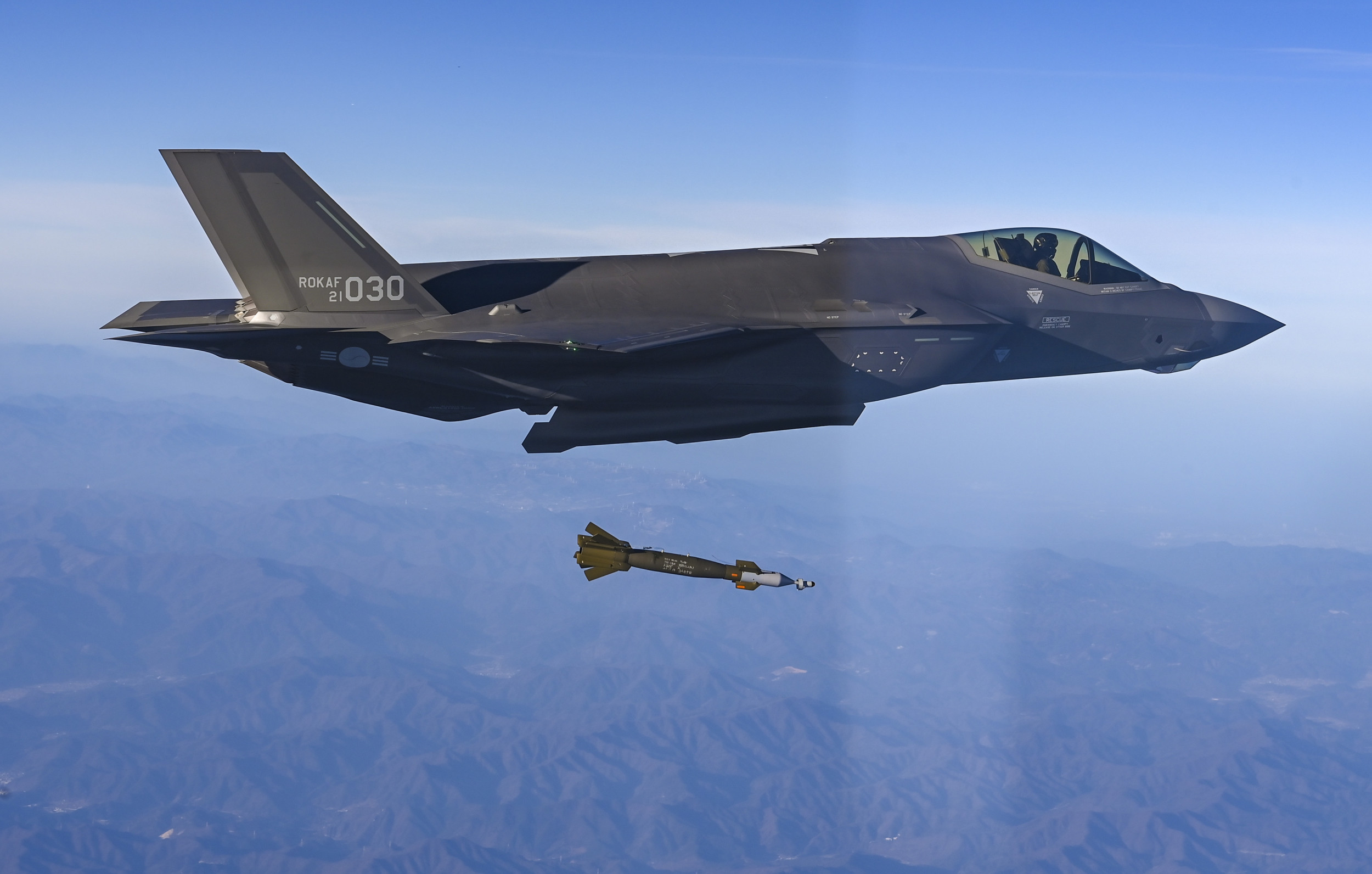
Taking a photo while flying a supersonic jet isn't just a lapse in judgment. It's a fatal breach of the sacred trust between a pilot and their machine. In April 2021, two South Korean KT-1 trainer aircraft collided mid-air near Sacheon, claiming the lives of four pilots. For years, the public waited for a clear answer on how such a basic failure could happen in one of the world's most disciplined military forces. We finally have that answer. It’s a gut-punch for the Republic of Korea Air Force (ROKAF).
An internal audit recently forced the military to admit that the collision wasn't a mechanical failure or a freak weather event. It was the result of pilots being distracted by their smartphones. Specifically, they were trying to take photos. The Air Force has issued a formal apology, but the damage to their reputation—and the loss of four lives—is permanent. This isn't just about one accident. It's about a culture of "digital distraction" creeping into cockpits where every millisecond counts. Also making news recently: The Hormuz Illusion Why Irans Tightened Grip is a Geopolitical Mirage.
Why Smartphones and Fighter Jets Don't Mix
You might think a pilot can multitask. They're trained to monitor dozens of dials, screens, and radio frequencies simultaneously. But the human brain has limits. When you're flying in formation, the margin for error is zero. The KT-1 Woongbi is a turboprop basic trainer, but it’s fast enough that a three-second glance at a screen means you've traveled hundreds of feet blind.
The audit revealed that the pilots involved were attempting to capture images of the flight. This wasn't a combat mission, but training is arguably more dangerous because the pilots are still honing their spatial awareness. The "selfie culture" that dominates our ground-level lives doesn't stop at the hanger door. When a pilot shifts their focus from the horizon to a five-inch glass screen, they lose their "bubbles." That's pilot-speak for the mental map of where every other aircraft is in the sky. Further details into this topic are detailed by The Washington Post.
Breaking Down the Audit Findings
The ROKAF audit didn't hold back. It highlighted a systemic failure in flight discipline. Usually, when a crash happens, investigators look at the Black Box, engine parts, and maintenance logs. This time, they had to look at digital footprints.
- The Primary Cause: Pilots in both planes were distracted by mobile devices.
- Formation Failure: The lead plane and the following plane lost track of their relative distance while the pilots were occupied with their cameras.
- Supervisory Gaps: The audit found that flight leads weren't strictly enforcing the "no-phone" policy that supposedly exists in every military squadron.
The Air Force admitted that the collision happened because the pilots didn't follow basic visual flight rules. They weren't looking out the window. They were looking at themselves or their surroundings through a lens. It’s an embarrassing admission for a force that prides itself on being ready for a high-tech conflict with North Korea at a moment's notice.
The Human Cost of a Staged Photo
Four families are now without sons and husbands because of a desire to document a routine flight. Two student pilots and two instructors died in that Korean sky. Instructors are supposed to be the safety net. They're the ones who slap the hand of a student reaching for a phone. In this case, the instructors were either participating or failing to supervise.
The KT-1 is a sturdy plane. It's used by several countries for basic flight training. It doesn't just fall out of the sky. To get two of them to hit each other in broad daylight requires a catastrophic level of inattention. The ROKAF apology acknowledges this "grave negligence." But an apology doesn't fix the hole left in the defense budget or the heartbreak of the families.
How the ROKAF Plans to Fix a Broken Culture
You can't just tell pilots to "be better." You have to change how they operate. The Air Force is now scrambling to implement much stricter regulations regarding personal electronic devices (PEDs). They're looking at ways to physically block signals or ensure phones are stored in lockers before a pilot even steps onto the tarmac.
They're also overhauling the training curriculum to emphasize the psychological dangers of distraction. It's a tough sell in a country as tech-saturated as South Korea. Everyone has a phone. Everyone wants to share their life on social media. But the cockpit has to remain a "black hole" for digital noise. If the ROKAF can't enforce this, their combat readiness is a joke.
The Global Problem of Pilot Distraction
South Korea isn't alone here. Military forces around the world are quietly panicking about the same thing. There have been several "near misses" in Western air forces where GoPro cameras or iPhones interfered with flight controls or distracted crews during critical phases of flight.
Think about the physical danger of a phone in a high-G turn. If that device slips out of a pilot's hand, it becomes a projectile. It can wedge itself in the rudder pedals or the stick housing. Now, you don't just have a distracted pilot; you have a jammed aircraft. The 2021 collision proves that the distraction doesn't even have to be physical to be lethal.
Actionable Steps for Flight Safety and Discipline
If you're involved in aviation or any high-stakes environment, the lessons from Sacheon are clear. General safety protocols are written in blood.
- Zero Tolerance Policies: There is no such thing as a "quick photo." If the engine is running, the phone stays off or away.
- Peer Accountability: If a wingman sees a pilot pulling out a phone, they need to report it immediately. It’s not "snitching" if it saves four lives.
- Digital Lockboxes: Military and commercial hangars should implement mandatory device storage to remove the temptation entirely.
- Focus Training: Use simulators to show pilots exactly how much ground they lose when they look away for just two seconds.
The ROKAF has a long road ahead to regain public trust. They’ve promised a total "rebirth" of their safety culture. It starts with putting the phones down and getting back to the business of flying. The 2021 collision was a preventable tragedy. It serves as a grim reminder that in the air, the only thing that matters is the mission and the person flying next to you. Everything else is just noise.