Walk into a high school classroom in Seoul on the third Thursday of November, and you'll witness security protocols that make airport TSA checkpoints look relaxed. Proctors aren't just checking IDs or scanning for hidden cheat sheets written on forearms. They're holding handheld metal detectors inches away from teenagers' faces, inspecting eyeglass frames, and pinching jacket buttons to verify they aren't miniature spy cameras.
South Korea's anti-cheating exam checks during the College Scholastic Ability Test—universally known as the Suneung—have escalated into a high-stakes technological arms race. To outsiders, watching an invigilator scrutinize a pair of thick-rimmed spectacles or demand a student turn out their pockets for a routine standardized test seems borderline paranoid. Spend five minutes understanding what a single point on this eight-hour exam actually buys in South Korean society, though, and the extreme vigilance starts making brutal, logical sense.
The High-Stakes Reality Behind South Korea's Anti-Cheating Exam Checks
You can't understand why exam supervisors inspect shirt buttons without grasping the sheer weight placed on the Suneung. Administered annually by the Korea Institute for Curriculum and Evaluation (KICE), this single-day marathon determines university admissions, future career trajectories, social standing, and even marriage prospects for roughly half a million test-takers each year.
The entire country literally grinds to a halt to accommodate it. Stock markets open an hour late to prevent morning traffic jams. Construction crews pause noisy machinery near testing sites. Even commercial flights are grounded nationwide during the 35-minute English listening comprehension section so jet engines don't muffle a single spoken word over classroom loudspeakers.
When an entire nation treats an exam like a military operation, the temptation to cheat becomes massive. And history proves students—and organized crime rings—will try almost anything.
Back in 2004, South Korean authorities uncovered a massive cheating syndicate in Gwangju where hundreds of students used modified mobile phones hidden in their clothing to send answers via text messages to hired brokers sitting outside the test centers. That scandal shattered public trust and forced the Ministry of Education to completely overhaul exam security. Since then, every loophole has been met with an aggressive countermeasure.
From Eyeglasses to Shirt Buttons What Proctors Actually Inspect
If you're sitting for the Suneung, your personal belongings go through an exhaustive vetting process before the first test booklet ever hits your desk. Proctor manuals issued by the Ministry of Education leave almost zero room for interpretation.
Here's what triggers immediate scrutiny inside the testing room:
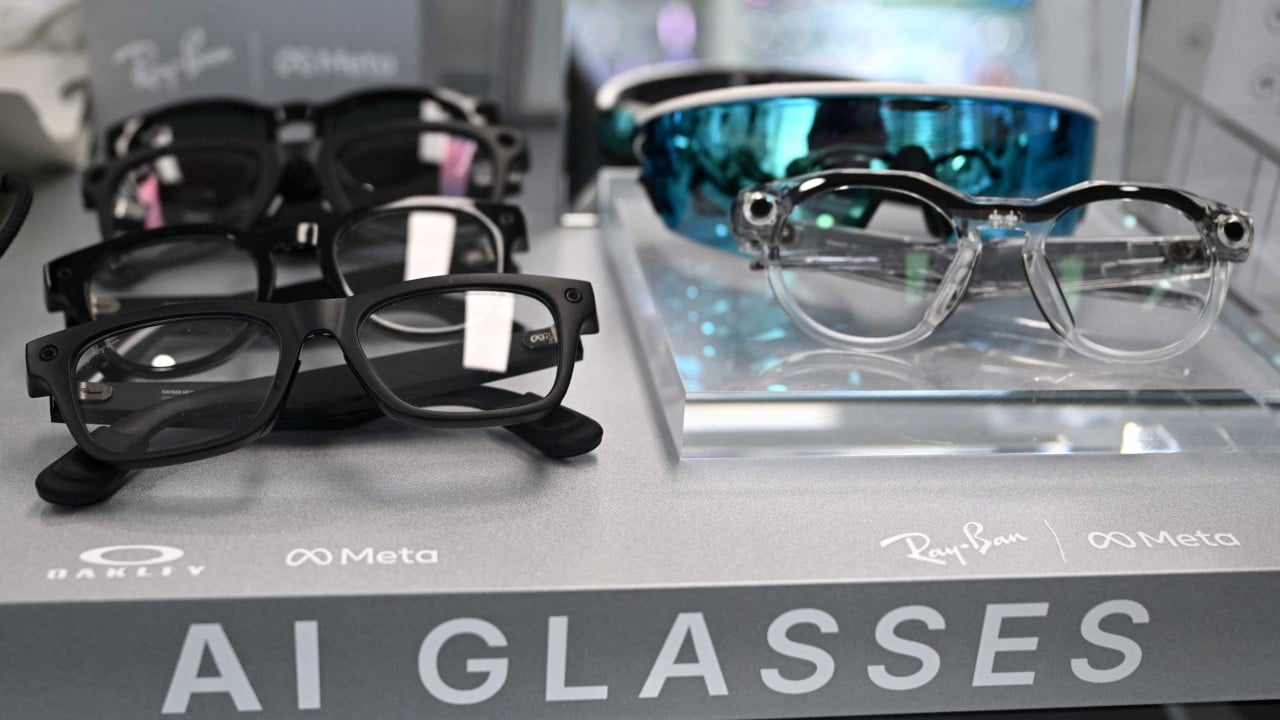
- Eyeglasses and frames. Smart glasses equipped with micro-cameras or bone-conduction audio receivers have become small enough to mimic standard prescription eyewear. Proctors closely examine thick frames, hinges, and nose pads for tiny lenses, charging ports, or unusual weight distribution.
- Buttons and zippers. Micro-pinhole cameras disguised as standard shirt buttons or jacket snaps are readily available online. Supervisors visually check clothing fasteners and sweep handheld metal detectors across torsos to catch hidden battery packs or transmitters wired beneath layers of winter clothing.
- Watches and timepieces. Smartwatches were banned years ago, and the rules have only tightened. Even basic digital watches that display anything beyond simple hours and minutes—or contain stopwatch and calculator functions—are strictly prohibited. Only analog watches with physical hands and zero electronic components are permitted.
- Writing instruments. You aren't even allowed to bring your own mechanical pencil or eraser into the exam. KICE distributes standardized black computer-sign pens and mechanical pencils to every student on the morning of the test, eliminating the risk of hollow pen barrels concealing rolled-up notes or micro-transmitters.
- Earplugs and hearing aids. Foam earplugs are inspected before insertion to ensure they aren't wireless earbuds painted skin-tone. Students requiring medical hearing aids must register them well in advance and undergo separate verification before entering the room.
Metal detectors are mandatory across all testing centers. Proctors sweep students before the exam begins and often conduct random secondary checks during bathroom breaks. Even going to the restroom requires an escort, and a same-sex supervisor sweeps the stall with a wand before and after you use it.
Why Analog Rules Dominate a Hyper-Digital Nation
South Korea boasts some of the fastest internet speeds on earth and leads global consumer electronics manufacturing. Yet on Suneung day, the testing environment operates like it's stuck in 1985.
This deliberate technological regression is the core defense strategy. Rather than trying to outsmart every new Bluetooth protocol or encrypted micro-transceiver hitting the black market, exam officials simply ban all electronics outright. Anything with a circuit board, battery, or LED screen is classified as a prohibited item.
That strict liability rule catches plenty of careless students off guard every year. According to data regularly published by the Ministry of Education following each November exam, dozens of students have their entire test invalidated every single year—not because they were caught actively looking up answers, but simply because a forgotten smartphone vibrated inside a backpack stored at the front of the room, or an illegal digital watch was spotted on their wrist during the third period.
Once a prohibited item is found, there's no warning and no leniency. Your exam is immediately voided, you're escorted out of the building, and depending on the severity of the infraction, you can be barred from taking the Suneung the following year.
The Psychological Toll on Students and Proctors
Honestly, the intense surveillance creates a pressure cooker inside classrooms that are already suffocating with anxiety.
Think about the mental state of an eighteen-year-old who has spent the last three years studying fourteen hours a day at school and private cram academies (hagwons). They've slept four hours a night, sacrificed weekends, and carried the financial and emotional expectations of their entire family on their shoulders. Now, twenty minutes before the Korean language section starts, an adult is waving a buzzing metal detector over their collarbones and asking them to take off their glasses for inspection.
It's jarring. Students frequently report on South Korean online forums like Orbi and DC Inside that the pre-exam pat-downs spike their heart rates right when they need calm focus the most. A simple false positive from an underwire bra, a metallic belt buckle, or foil-wrapped cough drops in a pocket can trigger a stressful mini-interrogation in front of twenty-five silent classmates.
Proctors hate it too. Most exam supervisors are regular public school teachers drafted into duty for the day. They aren't trained security guards, yet they bear immense legal and professional responsibility. If a proctor misses a banned device and another student reports it later, the teacher faces disciplinary action. Conversely, if a proctor accidentally disrupts a student's concentration with an overly aggressive check or a squeaky shoe, they risk facing lawsuits from angry parents—a real phenomenon that has led many Korean teachers to dread Suneung duty.
Are These Extreme Exam Checks Going Too Far
Public debate in South Korea flares up every November right after the test ends. Critics argue that treating every high school senior like a potential criminal undermines basic dignity and worsens an already toxic academic culture.
Civil liberties advocates and education commentators have pointed out the irony of a system that demands absolute conformity and surveillance while claiming to prepare young adults for higher education. When the fear of a false accusation makes a student afraid to wear a favorite jacket with metal buttons or brings them to tears during a metal detector sweep, something in the process feels broken.
Yet whenever proposals surface to relax the protocols, pushback from parents and students themselves is fierce. Fairness—known locally as gongjeong—is practically a sacred concept in South Korean admissions. Because the Suneung uses a relative grading curve for several key subjects, one student cheating doesn't just inflate their own score; it actively pushes honest test-takers down into lower grade tiers.
For families spending tens of thousands of dollars on private tutoring, zero-tolerance enforcement isn't viewed as authoritarian overreach. It's seen as the only guarantee that the playing field remains level. Nobody wants to lose a coveted spot at Seoul National University, Korea University, or Yonsei University because someone slipped a micro-camera past a lenient proctor.
What Test-Takers Need to Verify Before Walking Into a High-Security Exam
Whether you're preparing for the Suneung itself or sitting for another strictly monitored standardized test modeled on similar security protocols, avoiding an accidental disqualification comes down to ruthless preparation the night before.
- Strip your wardrobe of unnecessary metal. Wear plain cotton sweatshirts, sweatpants, or simple knitwear without metal snaps, decorative zippers, metallic thread, or heavy belt buckles. Every piece of metal you wear is an invitation for a handheld wand delay.
- Switch to a basic analog watch weeks ahead. Don't buy a cheap mechanical watch the night before the test. Wear it during your final practice exams so reading physical clock hands under time pressure feels completely automatic.
- Stick to thin, transparent, or classic eyewear. If you wear glasses, avoid bulky novelty frames with thick temples that look like smart glasses from a distance. Clean your lenses the night before and leave bulky cases in your bag at the front of the room.
- Empty every single pocket twice. Check coat linings, trouser pockets, and pencil pouches for forgotten wireless earbuds, spare batteries, receipts, or electronic transit cards. Leave your phone powered completely off—not on silent or airplane mode—inside your designated storage bag before entering the building.
High-stakes testing environments don't reward benefit of the doubt, and proctors won't bend rules once the clock starts ticking. Treat your clothing and personal items with the same discipline you give your study notes, and you'll keep your focus locked entirely on the test paper in front of you.