Most community book drives fail at the exact moment they hand over the box. They dump battered, random paperbacks onto kids who need them most and pat themselves on the back for clearing out their attics.
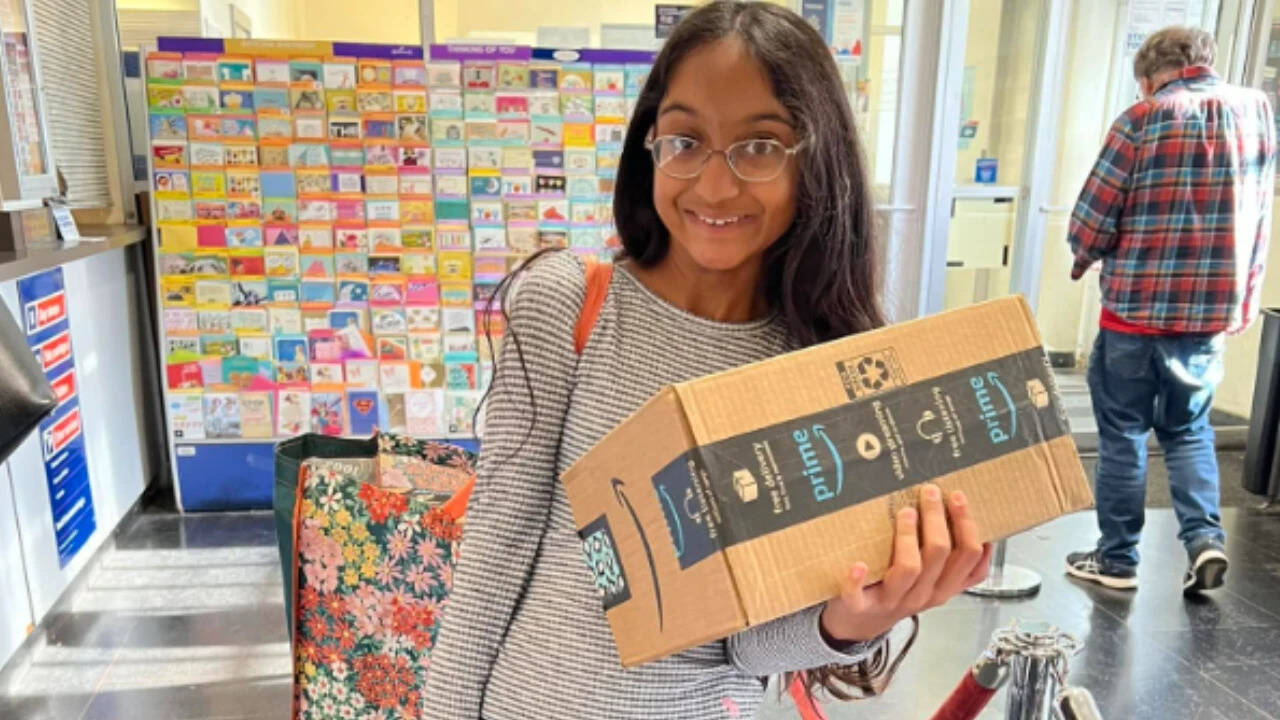
Sophia Parekh refused to run her literacy project that way. Starting at age seven in Westfield, New Jersey, the Indian-American student launched Sophia's Book Stand during the 2020 COVID-19 lockdowns. By late 2026—earning recognition as a runner-up for the prestigious Gloria Barron Prize for Young Heroes—she has distributed more than 8,000 free books to children and classrooms across the United States.
The real story isn't just the volume of books she's moved out of her family's basement. It's the specific, stubbornly personal system she built to make sure low-income kids actually want to read what arrives in their mailbox.
Why Most Book Drives Miss the Mark
If you've ever volunteered at a local charity sorting center, you know the dirty secret of book donations. Half of what people drop off is torn, outdated, or wildly inappropriate for the kids receiving it. Nobody develops a lifelong reading habit from a water-damaged encyclopedia from 1998.
Sophia figured this out immediately. When she and her mom, Nipa Shah, set up Sophia's Book Stand in April 2020, Sophia laid down two non-negotiable rules that would make most adult nonprofit directors sweat:
- New or like-new condition only. Every book has to feel like a gift, not a hand-me-down. As Sophia explained when starting out, she knows the rush of opening a crisp, brand-new book and wants every recipient to feel that exact same excitement.
- Zero random grab-bags. Families and teachers don't just ask for "books." They fill out an online request form detailing each child's age and specific interests.
Think about what that means logistically. Instead of tossing three random picture books into an envelope, Sophia scans thousands of neatly organized shelves in her family's basement—sorted from board books for babies up to young adult novels—to handpick titles tailored to a single kid. A four-year-old in Pennsylvania who loves princesses gets princess stories. Siblings in New York obsessed with dinosaurs and unicorns get matched with those exact topics.
"To develop a love of reading, you have to find a book that you're into and that you can connect to," Sophia told TIME for Kids. She's right. Literacy researchers have pointed out for decades that self-selected, interest-matched reading is one of the strongest predictors of reading comprehension and vocabulary growth. Sophia didn't need a peer-reviewed journal to understand it. She just remembered what she liked reading when she was younger.
From Two Books to Building Home Libraries
At the very beginning, Sophia's original goal was ambitious enough for a seven-year-old: send out 1,000 books by the end of her first year. She blew past that target in just three months. By the end of August 2020—barely four months in—she had already distributed 1,500 books, including 713 in a single month.
As donations poured in from neighbors, local schools, and major figures in children's publishing, Sophia changed her distribution model.
Early on, she mailed two or three books per child so they wouldn't get bored with a single title. Today, as a seventh grader, she sends eight to ten books per child. Why the jump? Because two books are a nice distraction, while ten books are the foundation of a personal home library.
The Hidden Economics of "Free" Books
Anyone who has ever run a grassroots mutual aid project knows that getting physical goods donated is the easy part. Paying to move them is what kills momentum.
Media mail and padded envelopes aren't free. Even when authors and publishers—including Diary of a Wimpy Kid creator Jeff Kinney and Magic Tree House author Mary Pope Osborne's publisher—step in to donate boxes of books, someone still has to fund the postage.
Nipa Shah has been candid about this bottleneck. While donated books supply the inventory, small monetary contributions—five or ten dollars at a time through GoFundMe or Venmo—are what actually put packages on postal trucks and into the hands of teachers in Title 1 schools. Supporters also donate spare boxes and bubble mailers to keep overhead low and cut down on packaging waste.
Solving the Digital Divide in Book Access
An online Google Form works great for parents with smartphones, reliable Wi-Fi, and the time to search for free literacy resources. It completely misses families living without stable internet access—often the exact households facing the sharpest "book deserts".
To close that gap, Sophia stopped waiting for requests to come to her screen and started partnering directly with community organizations and public school teachers.
- Local nonprofits: She teamed up with groups like the Moms Helping Moms Foundation and the Boys & Girls Club of Newark, dropping off bulk, age-sorted collections (including 100 books for Newark's summer program and 300 books at a time for families with children under five).
- Classroom summer packs: In June 2026, she delivered 288 books to 36 students in Linden, New Jersey—eight books per student—specifically so kids in underserved classrooms wouldn't lose reading ground over summer break.
Teacher Elizabeth Nardone noted how directly that support hits the classroom, giving students ownership over books they take home rather than borrowing from a stretched school library.
What You Can Actually Do With This Model
Reading about a 12-year-old moving 8,000 books is inspiring, sure, but inspiration without action is just entertainment. Whether you're a parent, a teacher, or someone sitting on shelves of outgrown kids' books, Sophia's playbook gives you a clear blueprint to follow right now.
- Audit your shelves with the "gift test." If you're donating children's books to a local shelter, Title 1 school, or initiative like Sophia's Book Stand, pull out anything with torn pages, scribbles, or yellowed paper. Only donate books a kid would feel proud to own.
- Pair book donations with shipping cash. If you support a grassroots literacy drive, don't just drop off a heavy box of hardcovers and walk away. Throw in $10 or a pack of padded mailers—postage is almost always the real constraint.
- Request or connect directly. If you're a teacher in an under-resourced school or a parent who needs books at home, search for Sophia's Book Stand on Instagram or Facebook (
@sophiasbookstand) to submit a request form with your kids' favorite topics, or replicate her interest-matching approach in your own neighborhood book swap.