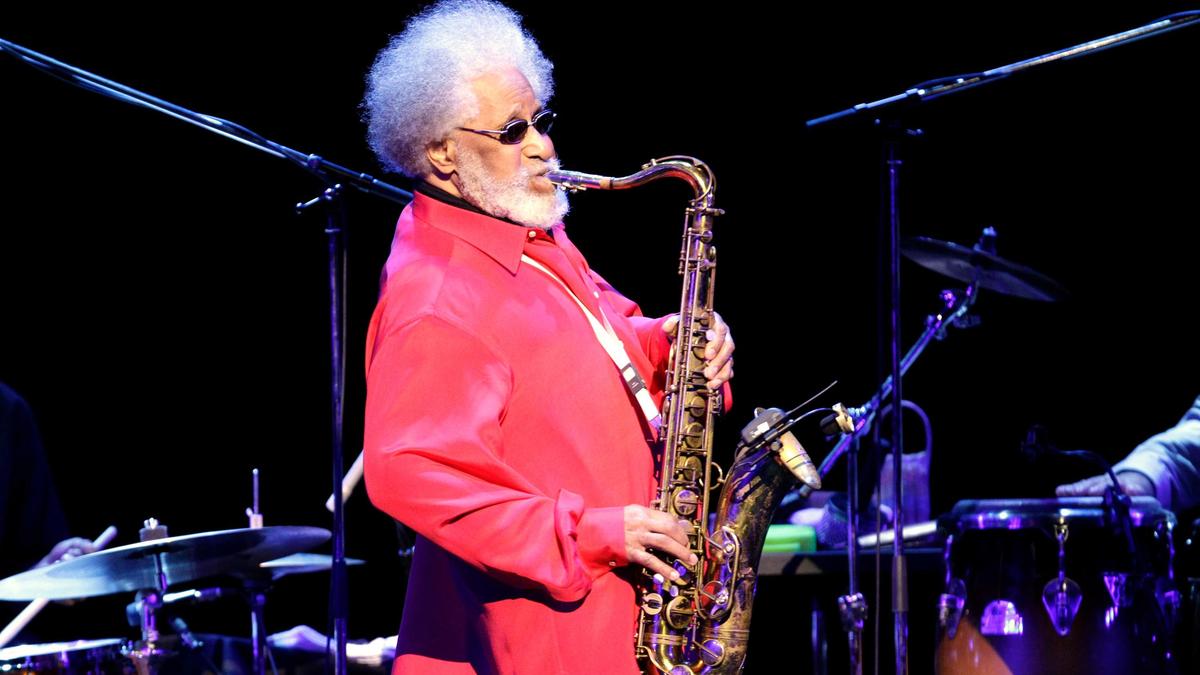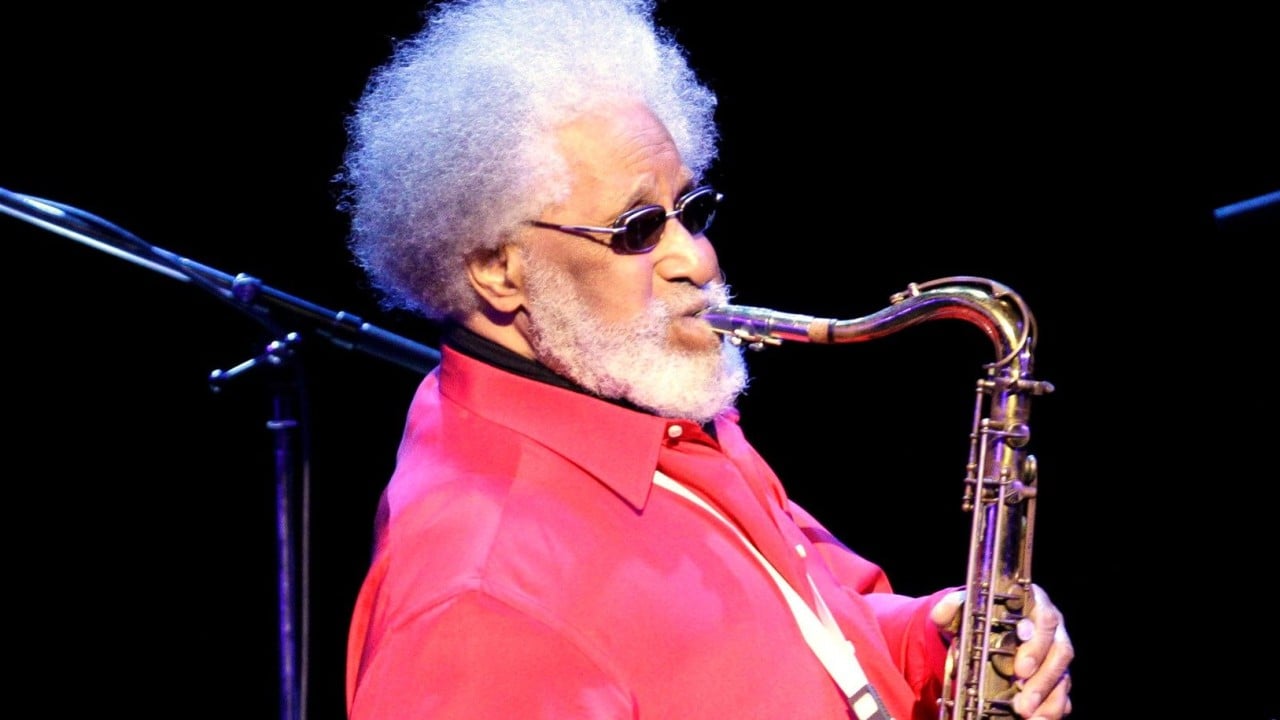
The jazz world lost its last true colossus on May 25, 2026. Sonny Rollins died at his home in Woodstock, New York, at 95 years old.
If you look at the mainstream obituaries, you'll see the same standard narrative. They call him a bebop pioneer. They list his famous tunes like "St. Thomas" or "Oleo." They mention that he played the iconic saxophone solo on the Rolling Stones' 1981 track "Waiting on a Friend."
But honestly, that cookie-cutter history misses the entire point of who he was.
Rollins wasn't just a great saxophone player from a bygone golden age. He was a relentless, self-critical genius who walked away from fame multiple times because he thought his playing wasn't good enough. In a culture obsessed with monetization and constant visibility, Rollins did the unthinkable. He chose silence over sub-par art. That's why he matters today more than ever.
The Myth of the Self-Taught Genius
People love the romantic idea of the natural-born jazz musician who just picks up an instrument and blows magic. It's a lie. Rollins worked like a demon.
Born in Harlem in 1930, he grew up surrounded by the architects of modern music. Coleman Hawkins lived nearby. Thelonious Monk became his mentor. By the time he was 20, he was recording with Miles Davis.
But early success almost destroyed him. Like many of his peers who idolized Charlie Parker, Rollins fell hard into heroin addiction. It led to an armed robbery arrest and a stint at Rikers Island in 1950.
What separates Rollins from the tragic statistics of that era is what he did next. He didn't let the music industry exploit his addiction. He went to the federal rehab facility in Lexington, Kentucky, volunteered for experimental methadone treatment, and got clean. He didn't just save his life; he rebuilt his entire approach to the horn.
When he joined the Clifford Brown-Max Roach Quintet in late 1955, he wasn't just playing fast. He was inventing thematic improvisation. Most players of that era just played strings of fast licks over chord changes. Rollins took a tiny fragment of a melody—a two-note phrase—and turned it inside out for ten minutes. It was musical architecture.
The Bridge Sabbatical and the Rejection of Fame
By 1959, Rollins was the undisputed king of the tenor saxophone. John Coltrane was his only real rival. Club owners wanted him. Record labels offered blank checks.
So, naturally, he quit.
Rollins looked at his playing and decided it lacked depth. He hated the commercial pressure of the club scene, the smoke, the booze, and the superficial praise. He needed a place to practice without disturbing his neighbors in his Lower East Side apartment.
He found the Williamsburg Bridge.
For over two years, from the summer of 1959 until late 1961, Rollins walked up to the pedestrian walkway of the bridge. He stood there in the freezing winter wind and the blistering summer heat, blowing his horn into the sky for up to 15 hours a day. He practiced against the roar of the subway trains crossing the tracks below.
Think about that. The top musician in his field walked away from peak earning years to practice on a windy bridge because he thought he could be better.
When he finally returned to the scene in 1962 with his comeback album, The Bridge, critics were confused. They expected some avant-garde revolution. Instead, they got a tighter, more muscular, completely sober musician who had mastered his instrument on an unprecedented level.
He did it again in the late 1960s, dropping out to live in a monastery in India, studying yoga and meditation. He realized that a musician's spiritual state dictates the quality of their art.
What Modern Artists Can Learn From His Final Chapter
In his later years, pulmonary fibrosis forced Rollins to put down the saxophone for good. His last public performances happened over a decade ago.
Yet, he never stopped practicing in his mind. He spent his final years in Woodstock observing the world, remaining deeply spiritual. He famously stated that when a creative person's life ends, they simply continue in the next existence.
The real lesson from Rollins isn't about how to play a major scale or how to swing. It's about how to treat your craft.
We live in an era where musicians are told to post on TikTok three times a day, optimize their streaming algorithms, and build a brand. Performance has replaced practice. Rollins did the exact opposite. He protected his art from the market.
If you want to honor his legacy, stop consuming short-form content for an hour. Go put on Saxophone Colossus or Way Out West. Listen to the way he uses space, humor, and pure intent. Then, whatever your specific craft is, go practice it with the door closed. Turn off your phone. Reject the demand for constant noise, and find your own bridge.