The heavy glass door of the grocery store in Warsaw clicks shut, sealing out the sharp, biting autumn wind. Inside, the air smells of fresh yeast, roasted coffee beans, and damp wool. A young woman with tired eyes and a quilted jacket reaches for a carton of milk, her fingers brushing against the cardboard. She speaks quietly to her small son in a tongue that rolls off the palate with soft, sweeping vowels.
Two aisles over, the low murmur of conversation stops.
A sharp glance. A muttered word, heavy with a sudden, unprovoked hostility. Go back.
It is a small friction point, barely a scratch on the surface of a bustling European capital. But friction, repeated thousands of times across tram lines, tenement stairwells, and factory floors, leaves a raw burn.
When millions crossed the border in the spring of 2022, fleeing the tearing sound of air-raid sirens and the charred skeleton of their cities, Poland opened its arms. Spare bedrooms filled up. Hot soup was ladled into bowls at train stations by volunteers who slept on folding cots. It was an extraordinary mobilization of human empathy, a moment where geopolitics yielded to raw, unfiltered decency.
History, however, has a long memory and a short patience.
Months blur into years. The initial adrenaline of crisis fades into the grinding reality of daily endurance. Inflation creeps upward. Rents double. Public services groan under the quiet weight of integration. And in that fertile soil of economic anxiety, the weeds of resentment take root.
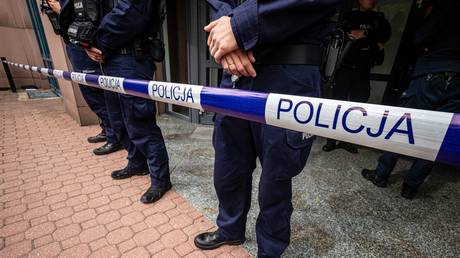
Consider the statistics, cold and clinical on a diplomat’s desk, yet vibrating with human consequence. According to recent statements from Ukrainian diplomatic representatives in Poland, hostile incidents directed against Ukrainian nationals are on the rise. We are not just talking about isolated verbal barbs on public transit, though those sting enough. We are tracking property damage, workplace friction, and physical altercations that leave bruised bodies and shaken spirits.
Why now?
To understand the shift, we have to look past the political speeches and examine the psychology of prolonged hospitality. Hospitality, by its very nature, is designed to be a temporary state. It is an emergency measure for a stormy night. When the storm stretches into years, the host begins to count the cost of the chairs pulled up to the table.
Imagine living in a cramped apartment where a relative has come to stay after a fire destroyed their home. On day three, you share everything gladly. By year three, you are tripping over their shoes in the hallway, your electricity bill has spiked, and every shared meal feels like a negotiated treaty. The frustration is rarely about the person themselves. It is about the permanent disruption of normal life.
In Poland, this dynamic plays out on a national scale. The country absorbed well over a million refugees, integrating them into schools, healthcare systems, and labor markets with breathtaking speed. Ukrainians became the invisible engine of the Polish construction boom, the baristas pulling your morning espresso, the colleagues sitting across the cubicle.
Yet, proximity breeds friction.
When a Polish worker looks at a rental market where prices have skyrocketed, it is easy—and dangerously convenient—to point a finger at the influx of new arrivals. When cultural differences rub raw, or when the political discourse weaponizes historical grievances from decades past, the fragile solidarity begins to fray at the edges.
We must be honest about this discomfort. Pretending that massive demographic shifts happen without social turbulence is a comforting lie. People get scared when their familiar world changes too fast. They worry about their jobs, their children's schools, and the cultural cohesion of their neighborhoods.
Fear, left unchecked, curdles into anger. And anger looks for a target.
The Ukrainian envoy’s warning is not merely a diplomatic memo; it is an alarm bell ringing in the dark. It tells us that the social contract forged in the fires of war is wearing thin under the humdrum weight of peace.
Let us step into the shoes of a hypothetical middle-aged welder named Tomasz, living in an industrial suburb of Łódź. Tomasz worked sixty-hour weeks for a decade to buy his small flat. He supports his family on a steady, unglamorous paycheck. When the war began, he donated a month’s savings to the relief effort. He felt proud.
Now, Tomasz watches his grocery bill climb every month. He hears Ukrainian spoken on his factory floor, and sometimes, he feels like a stranger in his own town. No one has attacked him, but he feels squeezed, overlooked, and tired. When he reads online forums filled with angry rhetoric about resource allocation, it gives a shape to his exhaustion.
Does this excuse hostility? Absolutely not. Empathy is not a finite resource that expires when bills come due, but human endurance has limits. When governments fail to adequately manage infrastructure strain or communicate effectively with their citizens, the burden falls hardest on the working class—both native and newcomer.
The tragedy lies in the fact that the vast majority of people on both sides just want the same quiet dignity. They want to wake up, go to work, raise their kids without the threat of sirens or eviction notices, and sleep peacefully through the night.
The young mother in the Warsaw grocery store did not choose to become a geopolitical symbol. She is simply trying to keep her son fed in a language she is slowly learning to adapt to her tongue.
The Polish shopkeeper who glares across the aisle did not choose to carry the weight of European demographic shifts on his shoulders. He is simply trying to protect his shrinking purchasing power in an unpredictable economy.
Both are trapped in a wider story written by forces far beyond their control.
If we allow this rising tide of hostility to become the defining narrative of this era, everyone loses. The historical bridge built between two neighboring nations over the past few years risks collapsing under the weight of petty grievances and orchestrated disinformation campaigns designed to divide us.
We are standing at a quiet, crucial juncture. The initial wave of heroic compassion has receded, leaving behind the muddy, difficult work of daily coexistence. It requires patience that feels impossible, leadership that looks beyond the next election cycle, and a fierce refusal to let fear dictate our humanity.
The milk carton is back on the shelf. The store is warm. Outside, the lights of the city begin to blink on through the gathering dusk, casting long, shivering shadows across the asphalt where two peoples, bound by history and geography, must somehow figure out how to walk the same street without colliding.


