Call it a vault. Call it a freeport. Call it whatever shiny marketing phrase a PR team cooks up this quarter.
It is a glorified warehouse with better security guards and worse liquidity.
Every time a high-net-worth profile runs with a headline about Singapore storing dinosaur skeletons, hypercars, or blue-chip canvases inside a heavily fortified facility, the lazy consensus kicks into overdrive. Billionaires are supposedly geniuses hedging inflation. Freeports are supposedly impenetrable citadels of wealth preservation. Ultra-rich collectors are supposedly buying trophy assets that only go up.
Wrong. Wrong. Wrong.
I have watched family offices and collectors burn seven- and eight-figure sums chasing "trophy liquidity" inside climate-controlled bunkers. I have seen pristine assets sit in custody for a decade while storage fees, insurance premiums, and provenance headaches quietly eat the upside alive. Worse, I have watched people confuse tax deferral with wealth creation—a mistake that costs fortunes when reality shows up at the exit.
This piece dismantles the fairy tale around Singapore freeports, ultra-rich storage habits, and dinosaur fossil speculation. Not by swinging blindly in the opposite direction, but by looking at the mechanics most lifestyle writers either skip or do not understand.
The Lazy Consensus Around Freeports and Trophy Assets
Mainstream coverage loves a simple story: billionaires buy bizarre, rare things—a theropod skeleton, a Basquiat, a vintage Ferrari—and tuck them away inside a fortress near Changi where nobody can touch them.
The lazy consensus rests on three comforting assumptions:
- Rarity equals investment return. If there is only one skeleton of a given species on the private market, surely its value compounds forever.
- Fortress storage equals safety. Biometric locks, nitrogen-rich air, and seismic engineering make an asset immune to loss.
- Freeport status equals frictionless wealth. Moving goods in and out of a freeport supposedly works like trading equities with a slightly fancier view.
All three assumptions break under real-world pressure.
First, rarity without a deep, liquid secondary market is just illiquidity wearing a tuxedo. A single buyer at a single auction setting a record price creates a headline, not a market. Try finding ten qualified buyers at that same price six months later when interest rates shift or museum curators raise eyebrows over specimen provenance.
Second, physical security is only half of risk management. Climate control protects bone, canvas, and paint from humidity and mold. It does nothing against title disputes, export-law challenges, restoration controversies, or a sudden collapse in buyer appetite.
Third, a freeport is a customs mechanism, not a magic money printer. Under Singapore's freeport regime (most famously associated with Le Freeport near Changi Airport), goods can enter, be stored, displayed, or traded while suspending import duties and Goods and Services Tax (GST) until they enter domestic consumption. That is genuinely useful for international logistics and temporary tax deferral. It does not turn a slow-moving passion asset into a high-yield financial instrument.
What People Actually Ask (And Why the Premise Is Broken)
"Are dinosaur skeletons a smart alternative investment for the ultra-rich?"
That question starts from the wrong place. Calling a dinosaur skeleton an "investment" stretches the word past its breaking point.
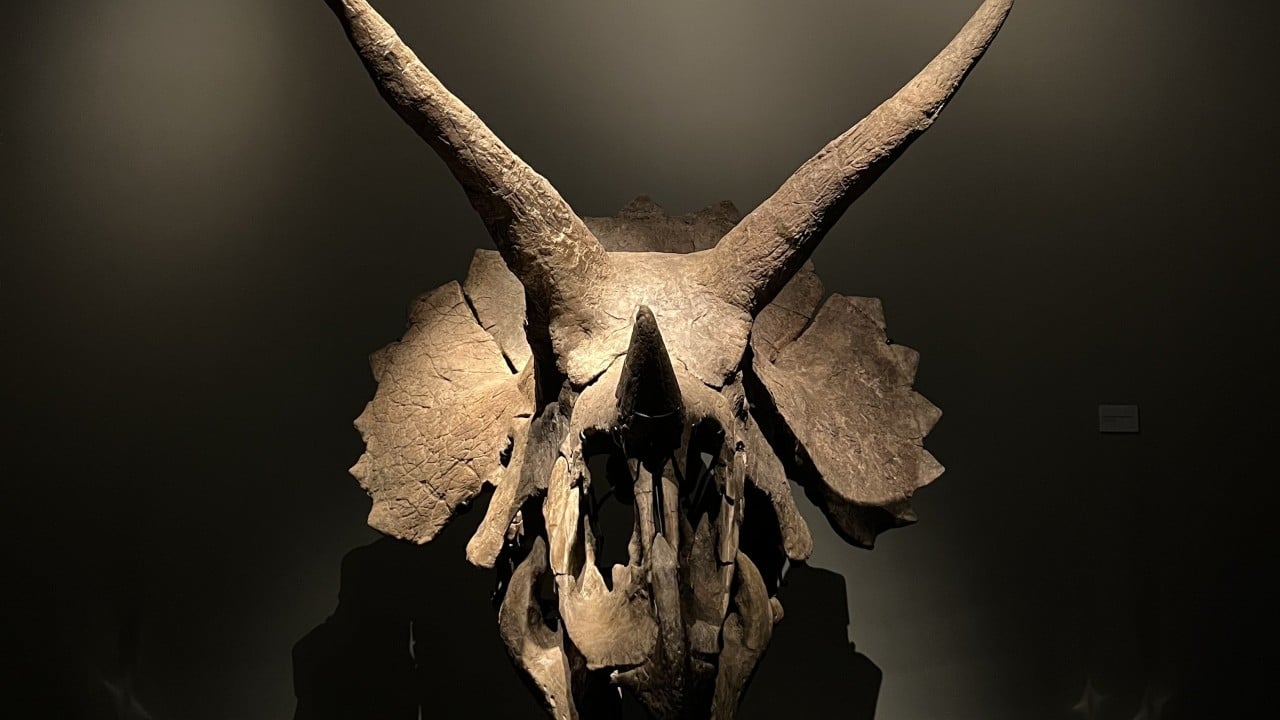
In finance, an investment produces cash flow, solves an economic need, or participates in a broad, transparent market with clear comparables. A fossilized vertebrate skeleton produces zero cash flow. It requires specialized conservation, custom steel armatures, heavy rigging, and niche insurance. Worse, two skeletons from the same broad group are rarely apples-to-apples comparables: completeness percentage, bone preservation, skull integrity, skull-to-body matching, and scientific novelty all swing value wildly.
Think about the buyer pool. Major public museums often have tight acquisition budgets or strict ethical policies around commercial fossil trading. That leaves a thin slice of private collectors, family offices, and occasional commercial exhibitors. When your exit depends on one specific billionaire walking into a room on a specific Tuesday, you do not hold a liquid asset. You hold a bespoke liability with upside potential.
"Why do billionaires hide things in Singapore vaults instead of showing them off?"
"Hide" is mostly projection from reporters who want spy-thriller copy. Most ultra-rich collectors are not supervillains twirling mustaches in underground lairs.
They use high-security storage for boring, practical reasons:
- Logistical sanity: Moving museum-grade art or fragile natural history specimens between homes, exhibitions, and restoration studios is a nightmare. Centralized hubs cut transit risk.
- Customs efficiency: Keeping high-value items in a freeport avoids triggering immediate tax events while deals are pending or works are awaiting international transit.
- Privacy and insurance: Keeping a massive collection under one roof with top-tier fire suppression, access controls, and specialist oversight simplifies underwriting and reduces casual theft risk.
The real issue is not secrecy. It is dead capital. An asset locked in a vault generates emotional satisfaction only if you actually see it—and if you never see it, you are paying carrying costs for a ghost.
"Can a freeport protect wealth from inflation better than cash?"
Cash loses purchasing power in inflationary environments. Nobody serious argues that holding idle cash for ten years is a masterstroke.
Yet claiming that a dinosaur fossil or ultra-rare collectible beats inflation by default confuses nominal price spikes with real, risk-adjusted return. Over a multi-decade stretch, broad productive equities compound because businesses innovate, retain earnings, and grow output. A fossil sits there. Its fundamental utility never changes. Its price depends entirely on fashion, ego, and credit conditions among a tiny global cohort.
Imagine a scenario where a collector spends $12 million on a rare specimen, pays $180,000 a year across storage, conservation, and insurance, and sells it eight years later for $15 million before auction commissions. On paper, the price went up $3 million. After roughly $1.44 million in carrying costs plus typical auction house seller fees—which often run into the tens of percent depending on tier and terms—the "win" shrinks fast, especially once you adjust for what that capital could have earned elsewhere.
The Mechanics Nobody Likes to Talk About
To understand why high-end storage and trophy collectibles trip up smart people, look at the three hidden friction points behind the curtain.
1. Carrying Costs Compound Silently
Equities do not charge you rent every month just to exist in your brokerage account. Physical trophies do.
Climate-controlled cubic footage at top facilities costs real money. Add specialized hull or fine-art/natural-history policies, condition reports, crate fabrication, and courier escorts. None of that feels dramatic when markets are booming. All of it hurts when an asset sits unsold for years.
2. Provenance and Legality Are Moving Targets
With fossils and cultural or natural specimens, legal and scientific scrutiny is not static. Export laws, national patrimony claims, and paleontological standards evolve. A piece that looks straightforward at purchase can face reputational pushback or cross-border friction later. Even when a transaction is completely lawful, buyer hesitation shaves off liquidity.
3. The "Greater Fool" Trap in Ultra-Rare Goods
When a handful of record-breaking sales dominate the news, newcomers assume every rare object rides the same escalator. In reality, ultra-rare markets are lumpy and unforgiving. A single standout sale reflects one buyer's obsession at one moment—not a guaranteed floor price for the next piece to cross the block.
Where My Contrarian Take Can Burn You
I am not here to pretend my skepticism has zero blind spots. Being the contrarian in the room comes with its own traps.
First, dismissing trophy assets completely misses cultural and legacy value. For a multi-billionaire, spending a small fraction of net worth on something extraordinary—and eventually lending it to a museum or research institution—is not about beating the S&P 500. It is about patronage, personal obsession, and leaving a mark. Judging a passion purchase purely by Sharpe ratio misses why the buyer wrote the check.
Second, over-indexing on liquidity can blind you to genuine scarcity. There are real assets with tight supply and durable demand where patience pays. Treating every illiquid asset as a trap can push an investor into over-crowded trades just because they trade every millisecond.
Third, underestimating high-end infrastructure is a mistake. World-class storage facilities exist for a reason. When you are moving fragile, irreplaceable objects across continents, cutting corners on climate control or security is penny-wise and pound-foolish.
How to Play It Without Getting Fleeced
If you work with ultra-high-net-worth clients, run a family office, or simply want to stop falling for luxury-vault hype, change how you evaluate these deals.
| Metric / Factor | Lazy Consensus View | Sharp Contrarian Reality |
|---|---|---|
| Primary Role | High-upside wealth hedge | Passion asset with customs/logistics utility |
| Liquidity | High because price is huge | Low; dependent on thin, specialized buyer pool |
| Carrying Cost | Treated as an afterthought | Ongoing drag that erodes net exit return |
| Value Driver | Headlines and record hammer prices | Provenance, condition, and real buyer depth |
Put four hard rules in place before touching any trophy asset or freeport storage play:
- Separate passion from portfolio. Never dress up a vanity or curiosity purchase as a core financial allocation. Size it so a flat or losing exit changes zero lifestyle plans.
- Underwrite the total cost of ownership. Model five to ten years of storage, insurance, maintenance, transport, and transaction fees upfront. If the math only works with a miracle sale, walk away.
- Verify provenance before price. Demand airtight documentation—chain of custody, legal export/import records, and independent condition assessments—before negotiating a dime. If paperwork is fuzzy, walk.
- Plan the exit before you buy. Ask who the realistic next buyer is and how the piece leaves the vault without getting trapped by fees, logistics, or narrow demand.
A fortified vault in Singapore will keep a skeleton dry, cool, and locked behind steel. It will not make a bad deal good.