:max_bytes(150000):strip_icc()/GettyImages-700832601-5bb602c0c9e77c002609fe08.jpg)
When three novice hikers from Roseville, California, set out to conquer the 14,179-foot peak of Mount Shasta, they did not pack physical topographic maps or consult veteran mountaineers. Instead, they fed their ambitions into Google’s Gemini artificial intelligence. They asked the software how long the ascent would take, what gear to pack, and how much water to carry. The algorithm spat out a clean, confident blueprint: an eight-hour round trip requiring minimal provisions.
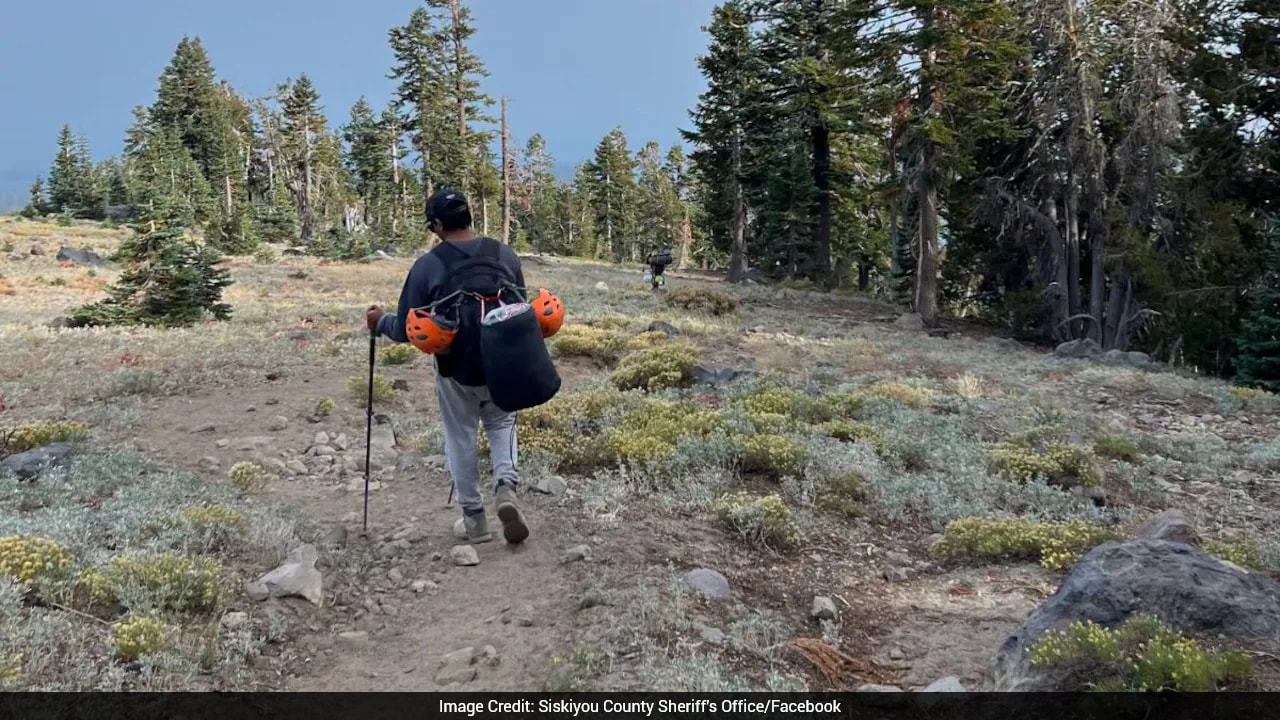
That digital hallucination turned into a sixteen-hour nightmare. By the time U.S. Forest Service climbing rangers reached the exhausted trio in the perilous depths of Mud Creek Canyon, one hiker was nursing a knee injury from a fall, their navigation phone was dead, and they had spent a freezing night without adequate clothing or emergency shelter.
This incident is not merely an isolated tale of modern hubris. It represents a dangerous new vector in outdoor recreation where algorithmic confidence replaces environmental competence, transforming pristine wilderness areas into testing grounds for unverified software.
The Illusion of Absolute Authority
Large language models are designed to generate plausible-sounding text, not verify physical reality. When a human asks a chatbot for a mountaineering itinerary, the software does not evaluate current snowpack, sudden weather shifts, or individual physiological limits. It scrapes historical data, travel blogs, and forum posts, synthesizing them into a smooth, authoritative narrative.
For an inexperienced adventurer, that tone of absolute certainty is intoxicating. Human guides and experienced mentors often express hesitation, emphasize variables, and warn about worst-case scenarios. Algorithms do not hesitate. They provide neat bullet points and definitive timelines.
The Roseville trio learned this distinction the hard way. Gemini reportedly advised them to pack simple carbohydrates while minimizing heavier nutritional weight, suggesting fats took too long to digest. On an extended high-altitude endurance push, that miscalculation starved their bodies of sustained fuel. More critically, the AI's projected eight-hour timeline set a psychological anchor. When the climb began dragging on, the hikers ignored the mountain's traditional noon turnaround rule—a hard boundary designed to ensure climbers descend before dark—because their digital planner had normalized a late-running timeline.
Death by a Thousand App Taps
The modern backcountry disaster rarely stems from a single catastrophic mistake. It accumulates through a series of micro-decisions mediated by consumer technology.
Consider the digital ecosystem the hikers deployed. They used Gemini for strategic planning, YouTube tutorials for visual reassurance, and the AllTrails smartphone application for real-time navigation. Each tool performs a specific function, but none of them communicate with the physical environment in real time.
When the group reached Mushroom Rock at 12,800 feet, they encountered conflicting advice from two separate human climbing parties. One group warned them to turn back immediately. The other offered ambiguous encouragement. Rather than reading the physical cues of their own fading bodies and the rapidly changing light, they deferred to momentum and the memory of their initial AI itinerary.
Then came the hardware failure. The smartphone running the mapping application exhausted its battery. A backup external charger failed to bridge the gap. In cold alpine environments, lithium-ion batteries drain at accelerated rates—a physical property that software cannot warn a user about unless the user explicitly asks the right question. Stripped of their glowing screen, the hikers were functionally blind. They stumbled off the established route in the dark, descending into the treacherous, loose-scree drainage of Mud Creek Canyon.
The Algorithmic Blind Spot in Wilderness Safety
Search and rescue teams across North America are sounding alarms about a shift in demographic risk profiles. Historically, lost hikers were often individuals who underestimated weather or strayed off marked trails due to fatigue. Today, rescue coordinators are increasingly pulling casualties from the backcountry who possess high technical literacy but zero ecological intuition.
The problem lies in how software flattens risk. To an AI model, climbing Mount Shasta in late summer is a data optimization problem similar to planning a driving route between San Francisco and Los Angeles. If traffic slows you down on a road trip, you arrive late. If terrain slows you down on a 14,000-foot stratovolcano, you face hypothermia, rockfall, and fatal exposure.
The Siskiyou County Sheriff's Office noted that the hikers made a critical misstep by treating artificial intelligence as an expert companion. Yet the tech industry continues to race toward integrating generative planning tools into travel and outdoor apps without guardrails. When users can prompt an app for a custom trail route with a single keystroke, the friction that traditionally forced people to study maps, check weather stations, and speak with park rangers is systematically erased.
Friction is safety. The hours spent pouring over a physical USGS topographic map force a climber to internalize elevation profiles, choke points, and emergency escape routes. Reading a weather forecast from the National Weather Service instead of asking a chatbot provides necessary context about barometric pressure trends.
Reclaiming Operational Independence
The rescue on Mount Shasta ended without fatalities, thanks to the swift deployment of U.S. Forest Service climbing rangers and county search-and-rescue volunteers. But the cultural fallout demands a reckoning.
As artificial intelligence permeates every facet of consumer life, users must relearn the art of skepticism. Technology can process syntax, but it cannot feel the biting wind at 11,000 feet or measure the precise depletion of human glycogen stores. When adventurers substitute computational outputs for situational awareness, they gamble with stakes that code cannot comprehend.
The mountains remain indifferent to algorithms. They demand physical resilience, hard-earned experience, and the humility to turn around when the light begins to fade.