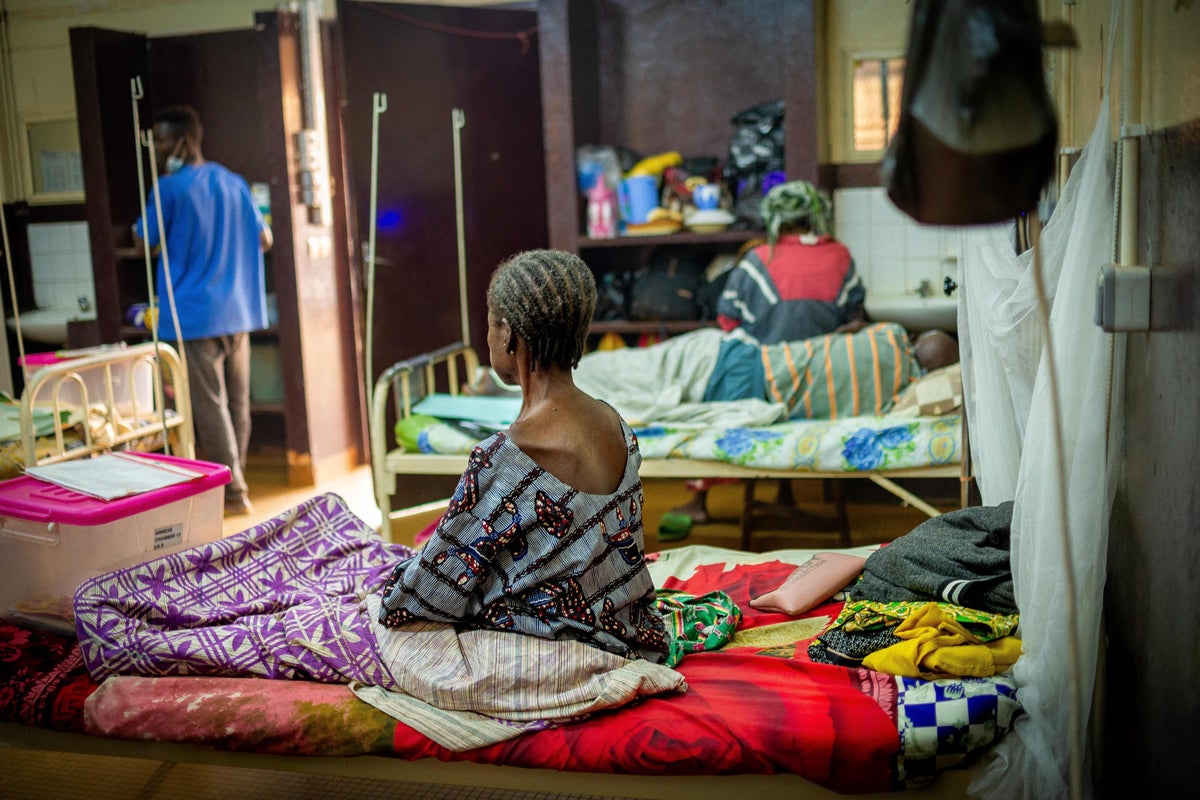
The hospital room was entirely dark except for the amber glow of a digital clock reading 3:14 AM.
Silence. Heavy, thick, and suffocating.
Maya stared down at the small bundle wrapped tightly in a striped cotton blanket. Her arms ached. Her eyes burned with a exhaustion that felt physical, like wet concrete pressed against her eyelids. The baby rooted frantically against her chest, a tiny, instinctual motion that carried an enormous weight. Nothing worked. The latch failed again. A sharp, searing pain shot through her, and the tears came instantly, hot and silent, spilling over her cheeks in the quiet gloom.
Nobody prepares you for the sheer loneliness of those dark hours.
Society loves to paint early parenthood with broad, glowing brushstrokes. Pastel nurseries. Serene mothers gazing lovingly down at content infants. We romanticize the biological script, assuming that because an instinct is ancient, the execution must be automatic.
It is not.
For countless new parents, the journey into feeding an infant is not a smooth, instinctive glide. It is a steep, jagged cliff. Behind closed doors, thousands of families struggle with anatomical barriers, low milk supply, tongue-ties, and the crushing psychological toll of a hungry, crying baby. The physical exhaustion is only half the battle. The real adversary is isolation. You sit in the dark, wondering why your body feels like it is failing the one test that matters most.
Consider what happens next for Maya. Morning arrives, bringing not relief, but a parade of well-meaning advice that often contradicts the last. One nurse suggests a specific hold. A relative shares an old family anecdote. A pediatrician hands over a pamphlet with generic bullet points. None of it bridges the gap between theory and reality.
This is where the entire system has historically faltered. We treat feeding difficulties as individual failures rather than systemic hurdles.
Change is happening, though it arrives quietly. Across communities, specialized health initiatives are finally stepping into the void. These programs do not offer platitudes. They offer structural lifelines: board-certified lactation consultants embedded in community clinics, peer-to-peer support circles where parents can speak without shame, and evidence-based clinical interventions designed to diagnose physical hurdles like latch obstructions early.
Let us be entirely transparent about how these systems work. (Note: When I describe the clinical side, I am speaking from documented public health frameworks). When a parent receives structured, professional guidance within the first forty-eight hours, the trajectory alters entirely.
Imagine a clinical consult that doesn't feel clinical at all. A specialist sits knee-to-knee with a stressed parent. No judgment. No ticking clock. Just a pair of calm hands and an analytical eye assessing how infant oral anatomy interacts with maternal tissue. They might identify a subtle posterior tongue-tie—a restriction of tissue beneath the tongue that prevents the baby from creating an adequate seal.
Suddenly, a mystery evaporates. It was never a lack of maternal willpower. It was mechanics.
Once the mechanical barrier is understood and addressed, often through minor revisions or specialized positioning techniques, the dynamic shifts. The pain recedes. The infant transfers milk efficiently. The clock on the wall stops feeling like an indictment.
Yet, access to this level of care remains uneven. Geography dictates destiny. Urban centers often boast multidisciplinary infant feeding clinics, while rural zip codes offer little more than a phone helpline that goes to voicemail. Bridging this gap is not merely a matter of healthcare logistics. It is a matter of equity. Every family deserves a soft place to land when the initial biological script tears apart.
Think back to Maya at 3:14 AM.
Two weeks after that harrowing night, sitting in a sunlit kitchen with a lactation specialist who listened rather than lectured, the narrative changed. The raw edges of panic smoothed out into a steady rhythm. Her baby grew along the upper curves of the growth chart. More importantly, Maya regained her footing.
The transition from struggle to stability leaves a mark. You look at the tiny human sleeping against your collarbone, breathing in that intoxicating scent of sweet milk and new skin, and you realize that asking for help was the bravest thing you ever did.
The initiatives taking root today are built on a simple, radical premise. No one should have to navigate the hardest hours of early parenthood entirely alone.
The amber glow of the digital clock no longer spells dread. It is simply time passing, watched over by a parent who finally knows they are going to be okay.