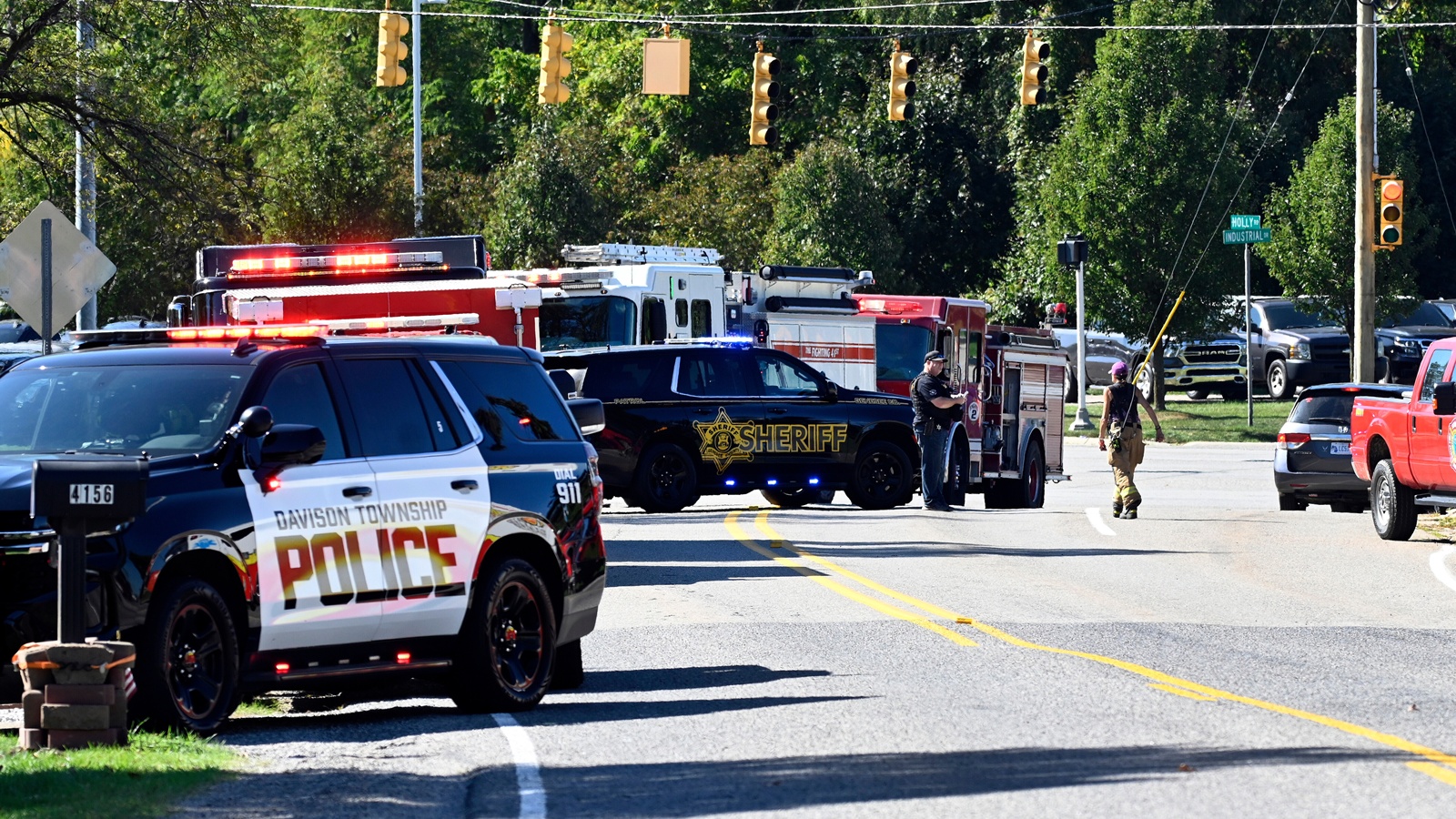
The coffee in the paper cup was still hot when the pavement shuddered.
It was an ordinary Tuesday morning in Lower Manhattan, the kind where the grey Atlantic humidity hangs low between the skyscrapers, trapping the smell of exhaust and roasting nuts from the street carts. People walked with their heads down, eyes locked onto their phones, navigating the concrete grid by muscle memory alone. Inside the federal building housing the offices of the Federal Bureau of Investigation and Immigration and Customs Enforcement, the day had already begun its bureaucratic hum. Fluorescent lights flickered over linoleum floors. Metal detectors chimed in a steady, monotonous rhythm. Files were stacked, emails were sent, and the ordinary machinery of government ground onward.
Then came the flash.
A sudden, violent tearing sound ripped through the morning air, followed instantly by a low, concussive boom that rattled the glass panes of nearby delis and sent a shockwave traveling straight up the spines of everyone within a three-block radius. For a split second, time stalled. The collective memory of a city that knows exactly what exploding concrete smells like rushed to the surface. Pedestrians froze, their eyes darting upward, looking for the smoke, looking for the sky to fall.
Outside the entrance, a cloud of grey smoke bloomed against the stone facade. A device had detonated. It was not a weapon designed to level a skyscraper, but it was violent enough to shatter the mundane peace of a workday morning, leaving a scorched scar on the building and a community reeling. Within hours, law enforcement officers would tackle a suspect, pinning him to the pavement, bringing an end to the immediate threat but opening a window into a much deeper, darker undercurrent of modern American unrest.
The Sound of the Shockwave
To understand what happens when political anger turns into physical fire, consider a hypothetical office worker inside that building—let us call her Elena. Elena does not write immigration policy. She does not patrol borders or conduct high-profile raids. She processes paperwork in a windowless room, earning a modest salary to keep her family afloat in one of the most expensive cities on Earth.
When the device exploded outside, the vibration rattled the pens on Elena’s desk. Her first thought was not about political ideology, border enforcement, or civil liberties. Her first thought was her daughter’s school schedule. Her second thought was the exit route.
This is the human cost that gets erased when we read dry, headline-driven accounts of political violence. We read terms like "anti-ICE attack" or "targeted explosion," and our brains immediately retreat into the safe, abstract realms of partisan debate. We argue about the agency. We argue about immigration policy. We argue about the rhetoric flowing from cable news and social media feeds.
But on the ground, the reality is entirely physical. It is the smell of burnt sulfur. It is the panic of a security guard who has a family waiting at home. It is the sudden, chilling realization that a building filled with ordinary people doing ordinary jobs has become a bullseye.
The suspect, later apprehended by a swift coordinated effort of local and federal law enforcement, had allegedly allowed abstract anger to curdle into concrete action. Investigators found a trail of intense animosity directed specifically at Immigration and Customs Enforcement, a sentiment that had metastasized from digital outrage into a physical bomb left on a New York sidewalk. The attack was deliberate, targeted, and designed to send a message. Yet, the message it delivered was not one of reform or justice; it was a message of raw terror delivered to everyday working people.
The Evolution of the Boiling Point
Violence like this does not materialize out of thin air. It is the result of a slow, steady increase in temperature. For years, the rhetoric surrounding federal law enforcement agencies has grown increasingly volatile. The public square has become an arena where nuance goes to die, replaced by a binary worldview that strips away the humanity of those on the other side of the ideological divide.
When an institution becomes entirely dehumanized in the public imagination, the physical spaces that represent it become targets. The building in Lower Manhattan is more than just steel, concrete, and glass. To some, it represents authority and security. To others, it represents a system they despise. But when a bomb is placed at its doorstep, the distinction between the institution and the individual disappears. The blast does not choose between a policymaker and a janitor.
Consider what happens next in the wake of such an event. The immediate physical damage is swept away. The broken glass is replaced, the soot is scrubbed from the masonry, and the yellow police tape is eventually rolled up and thrown into a dumpster. The street opens back up. The hot dog vendors return to their corners.
But the invisible damage lingers. The security protocols tighten. The barricades move a few feet further out into the sidewalk, pushing the public away from the institutions that are supposed to serve them. The atmosphere grows heavier, more suspicious. Every unattended backpack on a bench becomes a potential threat. Every loud noise makes a pedestrian jump. The space between ordinary citizens and their government widens, fractured by the actions of a single individual who decided that violence was a legitimate form of expression.
The Fiction of the Righteous Blast
There is a dangerous myth that drives the perpetrator of an attack like this: the illusion of the righteous strike. In the mind of the person assembling a device in a basement or a garage, they are not a criminal. They see themselves as a protagonist in a grand, historic struggle. They believe that their anger is so justified, their cause so pure, that it absolves them of the basic moral obligation not to harm their fellow human beings.
This illusion dissolves the moment the fuse is lit.
The reality of political violence is always small, messy, and cowardly. It involves leaving a package in the dark or under the cover of a crowd, then walking away to let stranger bear the consequences. The suspect held in this New York attack discovered quickly that the system does not collapse from a localized blast. Instead, the heavy machinery of the justice system simply pivots, locks its gaze onto the source of the disruption, and closes in.
The federal agents who flooded the scene were not intimidated; they were organized. Technicians swept the area for secondary devices, analysts began pulling camera footage from dozens of surrounding buildings, and investigators traced the suspect’s movements with surgical precision. The state did not flinch. The only people who flinched were the everyday New Yorkers who had to run for cover.
The Muted Mornings That Follow
The day after the explosion, the sun rose over New York just as it always does, cutting through the river mist to illuminate the grey towers of the financial district. The employees heading into the FBI and ICE offices walked past the reinforced security checkpoints, their badges clutched in their hands.
There was no grand statement, no dramatic stand. There was only the quiet, stubborn resilience of people who have to earn a living, who refuse to let the malice of a stranger dictate their lives. They walked back through the doors, took their seats at their desks, and logged into their computers.
The suspect remains in federal custody, facing a long, sterile sequence of court appearances, legal briefs, and the cold reality of a prison cell. The anger that fueled the attack will continue to swirl through the digital ether, looking for the next impressionable mind to infect.
But on the sidewalk in Lower Manhattan, the soot is gone. The concrete remains hard, unyielding, and indifferent to the fury that tried to tear it apart. The city moves on, not because it forgets, but because it must. The true strength of a community is not found in the violence that seeks to disrupt it, but in the ordinary, quiet determination of the people who sweep up the glass and keep going.