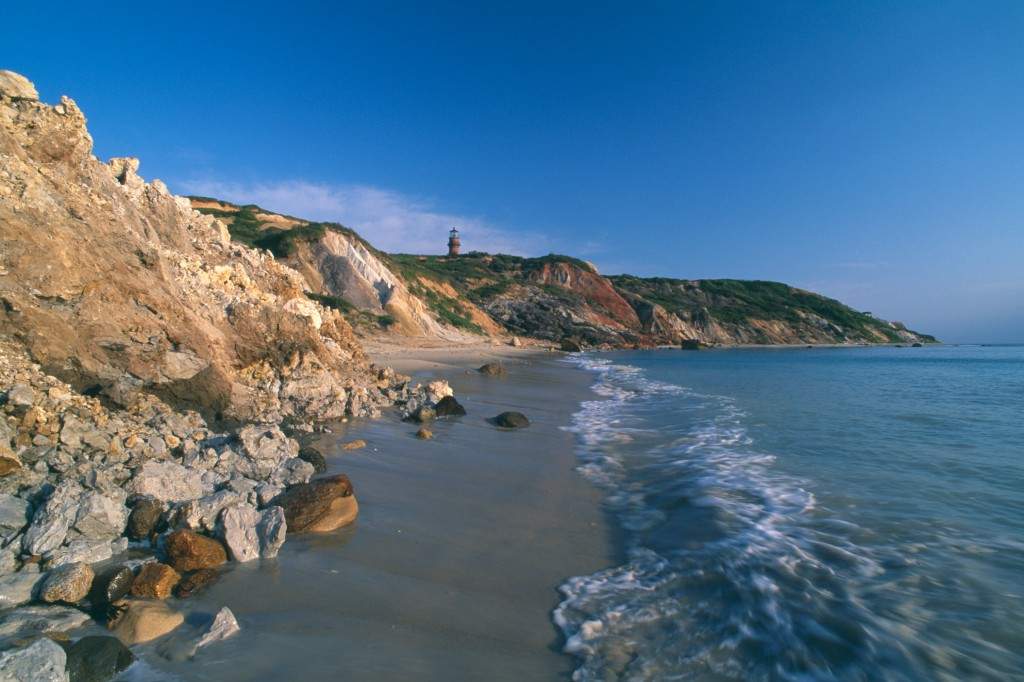
The water does not look like a threat when the sun is low. It looks like pewter, heavy and flat, reflecting the exhausted gold of a late-summer Massachusetts afternoon. You can smell the salt before you see the dunes, that sharp, iodine tang mixed with the rotting sweetness of beach grass. Millions of people walk these shores every year with a casual, barefoot confidence. We treat the ocean like a vast, blue swimming pool with no deep end. We forget that we are stepping into an ancient, indifferent kitchen.
Then a scream tears through the salt air.
It happens off Martha’s Vineyard. Not in some remote, mythic trench of the Pacific where giant squids duel sperm whales, but here, in the shallow, familiar green churn where children splash and teenagers dare each other to swim out past the sandbar. A woman is in the hospital. The official bulletins will call it a potential shark bite, a phrase coated in bureaucratic caution, sanitized for the evening news ticker. But clinical language cannot capture the raw shock of teeth meeting bone in three feet of water.
Let us be entirely clear about the mechanics of the event, based on verified emergency response logs and marine fisheries reports. The incident occurred off the southern coast of the island. First responders arrived to find severe lacerations, the kind inflicted only by powerful jaws and serrated edges. The victim was airlifted to a regional trauma center, stable enough to survive the flight, but altered permanently by the math of marine probability. One second, you are floating in the weightless luxury of the Atlantic. The next, your life splits neatly into two distinct epochs: before the bite, and after.
We need to talk about why this happens, and more importantly, why it feels like it is happening more often.
For decades, human beings have maintained a comfortable bargain with the ocean. We take our weekend dips, we build our million-dollar shingle-style homes along the bluffs of Chappaquiddick and Edgartown, and we politely pretend that the apex predators of the Pleistocene went extinct with the woolly mammoth. This is a comforting illusion. Great white sharks, tiger sharks, and sand tiger sharks do not read our zoning laws. They follow food.
Consider what is actually happening beneath the surface of the Gulf of Maine and the waters surrounding Cape Cod and the islands. For years, federal protections under the Marine Mammal Protection Act of 1972 did something miraculous. They worked. Gray seals, the blubbery, torpedo-shaped favorite snack of the apex marine predator, returned in staggering numbers to the New England coastline. Where the seals go, the sharks follow. It is an ecological success story written in crimson. Every time a seal pup wriggles off a rocky ledge into the surf, it rings a dinner bell that carries for miles through the dense water.
To a great white shark cruising at twenty knots, a human splashing in a neoprene wetsuit or kicking white water in the surf zone looks suspiciously like a flailing, wounded pinniped. It is a case of tragic, high-stakes mistaken identity. The shark does not hate you. It is not seeking vengeance for spilled oil or overfished cod stocks. It is simply an opportunistic carnivore operating on four hundred million years of unblemished instinct. It bites to test. It bites because it is curious. And by the time it realizes its mistake—that human beings are bony, foul-tasting, and entirely wrong for its dietary needs—the damage is already done.
This is where the human element collides with raw biology.
Imagine sitting in the sterile, fluorescent glare of the hospital waiting room. The rhythmic beep of a monitor marks the seconds that crawl like hours. Family members arrive in rumpled beach clothes, still carrying grains of sand in the treads of their sandals, the surreal juxtaposition of a sun-drenched beach vacation grinding violently against emergency medicine. They hold cups of lukewarm vending machine coffee. They whisper. They ask the nurse the same unanswerable question over and over: How could this happen here?
It happens because the ocean is wild. We have paved over our continents, tamed our rivers with concrete dams, and domesticated nearly every square inch of dry land on the globe. We expect nature to behave like a carefully curated national park. But the sea remains the great exception. It is untameable. When we wade into the surf, we are temporary visitors entering a domain where we possess neither speed, nor armor, nor sensory equipment.
Local officials on Martha’s Vineyard and Cape Cod know this dance well. Following the attack, beaches close temporarily. Yellow police tape flutters in the offshore breeze. Lifeteguards scan the rolling swells with binoculars, looking for the dark, sickle-shaped dorsal fin cutting through the crests. Scientists from the Atlantic White Shark Conservancy deploy acoustic receivers to track tagged specimens pinging along the shoals. The data pours in: dozens of sharks detected off the Cape and the islands on any given summer day. They are there right now, silently gliding through the green depths while tourists eat lobster rolls on the harbor docks.
Yet, we refuse to stay out of the water. Nor should we. Fear is a poor counselor, and terror is no way to live. The statistical risk of being bitten by a shark remains remarkably low—you are statistically far more likely to be struck by lightning or injured in a car crash on the bumpy drive down Route 6. But numbers offer cold comfort when you are the outlier, the one-in-a-million data point whose leg was crushed by eighteen thousand pounds of jaw pressure.
The real transformation is not in the water, but in our collective consciousness. We are waking up from the collective daydream that we are the masters of every ecosystem we touch. Every time a swimmer is rushed to a hospital from the shores of Massachusetts, it serves as a jagged reminder of our vulnerability. It forces us to look past the idyllic postcard image of New England lighthouses and sailboats. It strips away the romance and leaves us standing shivering on the wet sand, staring out at the dark, deep horizon, wondering what is moving just beneath the surface of the tide.