History rarely announces itself with a trumpet blast. More often, it arrives in the muted click of a heavy wooden door closing in a quiet room, the rustle of unpressed paper, and the heavy silence that settles when two men who have spent years wishing each other dead must finally look at the same piece of parchment.
Dust motes drift in the narrow shafts of afternoon light slicing through the blinds of a high-security lounge. Somewhere outside, the relentless hum of modern security details blends with the distant, spectral echo of sirens that never truly sleep. Inside, the air is thick with the scent of bitter black coffee and unyielding caution.
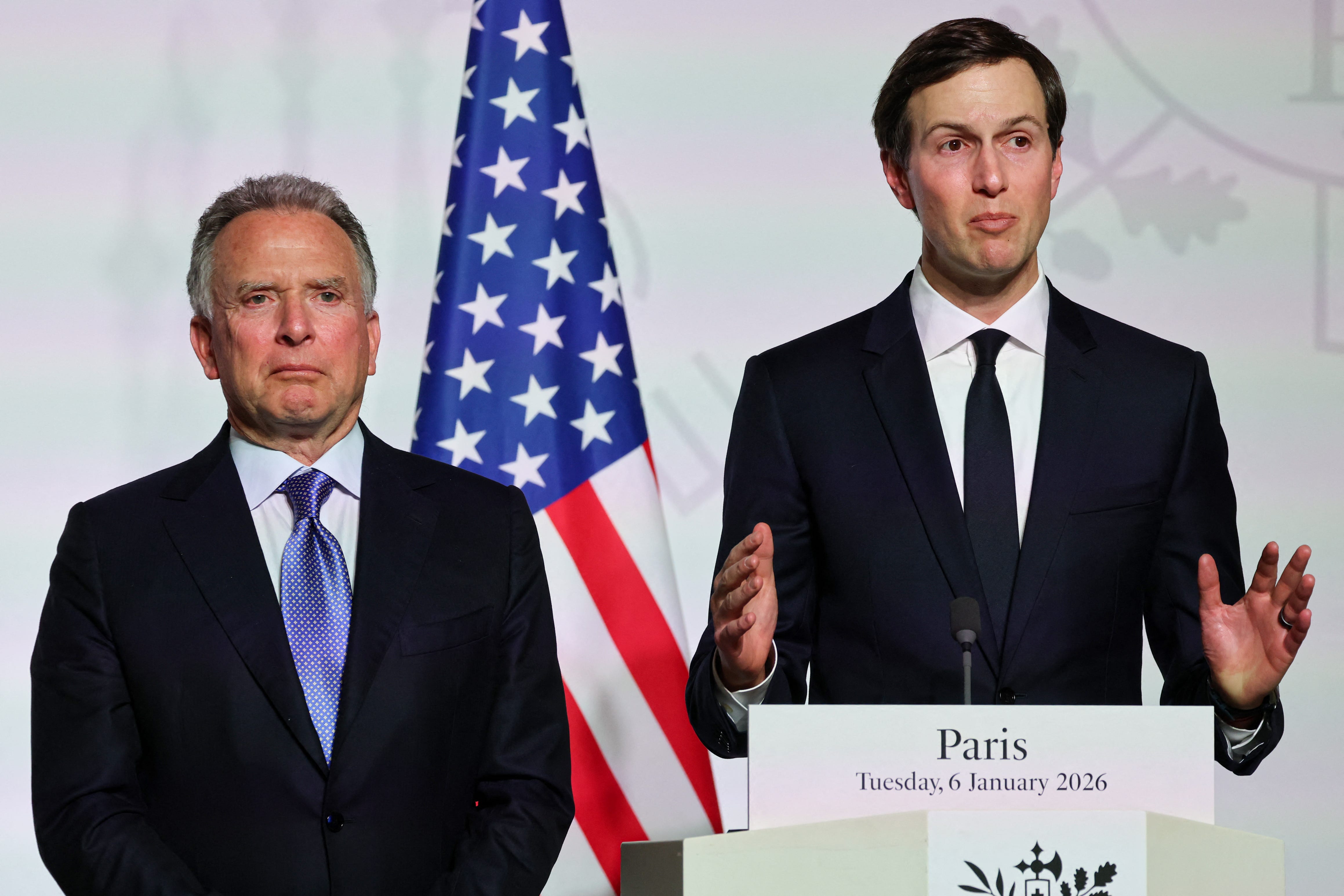
Jared Kushner sits across the table, his posture rigid, the weight of an impossible assignment hanging over his shoulders like a leaden cloak. Opposite him, representatives of Hamas—figures more accustomed to subterranean tunnels, encrypted messages, and the bleak calculus of asymmetric warfare—adjust their chairs. They are not friends. They share no common heritage of trust. They share only a mutual realization that the old arithmetic of destruction has run its course, leaving behind a smoking ruin that neither side can afford to inhabit forever.
We talk about peace as if it were a monument we can simply erect overnight. We draw lines on maps in air-conditioned offices thousands of miles away, imagining that ink can easily override blood. But peace, real peace, is a messy, agonizing negotiation between ghosts and grievances.
Consider what happens next: the proposal.
It is a document filled with dry economic incentives, infrastructural blueprints, and phased security guarantees. To a cynical observer, it looks like an absurdity—a spreadsheet attempting to cure a hemorrhage. How can you talk about deep-water ports, industrial zones, and foreign investments when the rubble of the last bombardment has barely cooled? How can you dangle the promise of a better economy to a population whose immediate reality is defined by empty plates and mourning?
Yet, this is precisely where the strange, clumsy machinery of diplomacy grinds forward.
Think back to other moments when the impossible suddenly fractured. In Northern Ireland, men who had orchestrated bombings sat down in damp Belfast rooms. In South Africa, jailers and prisoners shared tea while an entire nation held its collective breath. These breakthroughs never happen because the participants suddenly grow fond of one another. They happen because exhaustion finally outweighs ideology.
The meetings between Trump's envoy and the Hamas leadership carry this exact, frantic pulse of exhaustion.
Let us be entirely honest about the friction here. To many, the very act of sitting across the table from designated adversaries feels like a moral betrayal. The critics howl from the safety of television studios, demanding ideological purity, arguing that talking to militants legitimizes terror. They demand an all-or-nothing stance, a perpetual state of righteous fury that sounds magnificent in an editorial column but starves children in the streets.
Down on the ground, the math is infinitely more brutal.
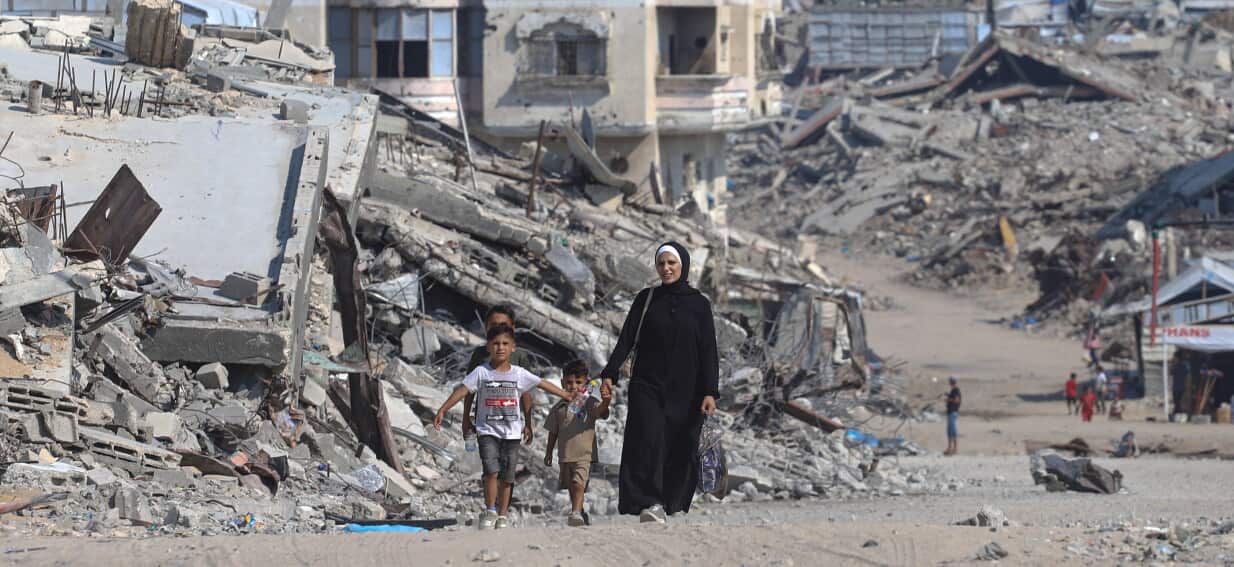
Imagine living in a concrete shell where every structural beam has a story of loss attached to it. Imagine waking up to the sound of drones, your universe compressed to the radius of a basement shelter, your future entirely erased by a conflict older than you are. In that world, moral purity is a luxury item. Survival is the only currency that matters.
When Kushner pushes the revived peace plan across that table, he is not selling an ideology. He is selling a transaction. He is saying: Look at the alternative. The alternative is endless ash. The alternative is another generation buried beneath the weight of our stubbornness.
The negotiators lean in.
There are no smiles. There are no handshakes for the cameras. This is not a grand lawn ceremony in Washington with blooming roses and applauding dignitaries. This is raw, unvarnished horse-trading in the dark. It is about how many trucks of concrete can cross a checkpoint. It is about the precise radius of a security buffer zone. It is about the quiet release of prisoners whose families have wept into their pillows for decades.
Critics point out the glaring omissions in the framework. They note the deep skepticism from regional capitals, the fierce resistance from hardliners on both sides who would rather see the world burn than compromise an inch of their dogma. They are right to be skeptical. History provides a graveyard of broken accords, torn-up treaties, and cynical ceasefires that served only to reload the weapons for the next round.
We have seen this script before. It ends in tears.
Except when it doesn't.
Every durable peace in human history was preceded by a dozen failed attempts that everyone mocked as naive or doomed. The first conversation is never the final agreement. It is merely the crack in the wall where a sliver of light manages to squeeze through for the very first time.
The air in the room grows colder as the sun dips below the horizon, plunging the city outside into a restless twilight. Papers are shuffled. Notes are scribbled in margins. No promises are made that can be spoken aloud to the press corps waiting outside. No miraculous conversion takes place.
Yet the door opens. The men walk out into separate corridors, heading toward separate worlds, carrying the heavy burden of a conversation that shouldn't have been possible, but happened anyway.
Far away from the high-level security briefs and the geopolitical strategy sessions, a child kicks a deflated football against a cracked concrete wall in Gaza. The sound echoes sharply down the narrow alleyway. The dust settles back onto the earth, waiting to see what tomorrow's map will look like.