The sea has a way of swallowing sound, but it cannot drown out the crack of a deck gun.
When you are out on the open water, the fiberglass hull of a weekend yacht feels less like a vessel and more like an eggshell. The English Channel, a crowded highway of commerce and weekend leisure, usually hums with the predictable rhythm of container ships and ferries. You expect the smell of salt, the cry of gulls, and the steady, reassuring thrum of your own engine. You do not expect the gray, towering silhouette of a foreign warship to alter your reality. You certainly do not expect the water nearby to erupt in a plume of white spray, triggered by live ammunition.
The British government is currently scrambling to untangle the details of a chilling encounter. A Russian naval vessel allegedly fired warning shots near a civilian yacht within the volatile maritime corridors of the Channel. On paper, it reads like a standard bureaucratic briefing, a footnote in modern geopolitical tension. But to understand what this means, you have to step off the dry land of international diplomacy and onto the swaying, defenseless deck of a civilian boat.
Imagine the skipper. Let us call him Arthur. He is not a military strategist; he is a retiree who spent his life savings on a forty-foot sloop. He knows the tides, the collision regulations, and how to read a barometer. He does not know how to handle an aggressive warship that operates outside the unwritten rules of maritime civility. When a shadow looms out of the coastal fog, flying a flag that signals raw defiance, the cockpit of a leisure boat becomes the loneliest place on earth.
The Shrinking Boundaries of Safety
For decades, the waters separating England from mainland Europe represented a shared understanding. There were rules. Commercial lanes were respected, pleasure craft were given a wide berth, and military vessels behaved with predictable, icy professionalism. That predictability is evaporating.
The incident under investigation by the U.K. authorities marks a sharp escalation in what security experts call gray-zone warfare. This is not open combat. It is psychological friction. By targeting, intimidating, or merely terrifying a civilian vessel in one of the busiest shipping lanes in the world, a message is sent without a single word being spoken over the radio. The message is simple: We are here, we are unpredictable, and you are not safe.
Think about the sheer disparity of power in that moment. A modern frigate or patrol ship weighs thousands of tons, armored in steel, bristling with radar arrays and automated weaponry. A civilian yacht relies on a VHF radio and a plastic hull. When a warning shot is fired, the sound waves do not just hit your ears; they hit your chest. The water displacement violently rocks your tiny craft. The realization settles in with agonizing clarity: a mistake of a few degrees by a Russian gunner would mean total vaporization.
This is the true cost of shifting global boundaries. It is the theft of peace of mind from ordinary people who thought the rules of international law would shield them from the fallout of distant capitals.
The Invisible Stakes of the Channel
Why the English Channel? To the casual observer, it seems a reckless place for provocation. It is narrow, heavily monitored, and ringed by NATO allies. But that is precisely the point. Provocation loses its edge if there is no one around to witness it.
Consider what happens next when an event like this occurs. The maritime community is tight-knit. Word spreads through marinas from Southampton to Calais faster than a gale-force wind. Skippers look at their charts with a new sense of dread. Insurance companies begin to recalculate risk matrices, quietly raising premiums for vessels traversing specific zones. The freedom of the seas, a concept that has underpinned global trade and exploration for centuries, begins to fracture.
- What happens if a civilian panic causes a collision with a commercial tanker?
- How does the Royal Navy respond to an unconfirmed threat without triggering a wider international crisis?
- Where is the line between a navigation error and an act of state-sponsored intimidation?
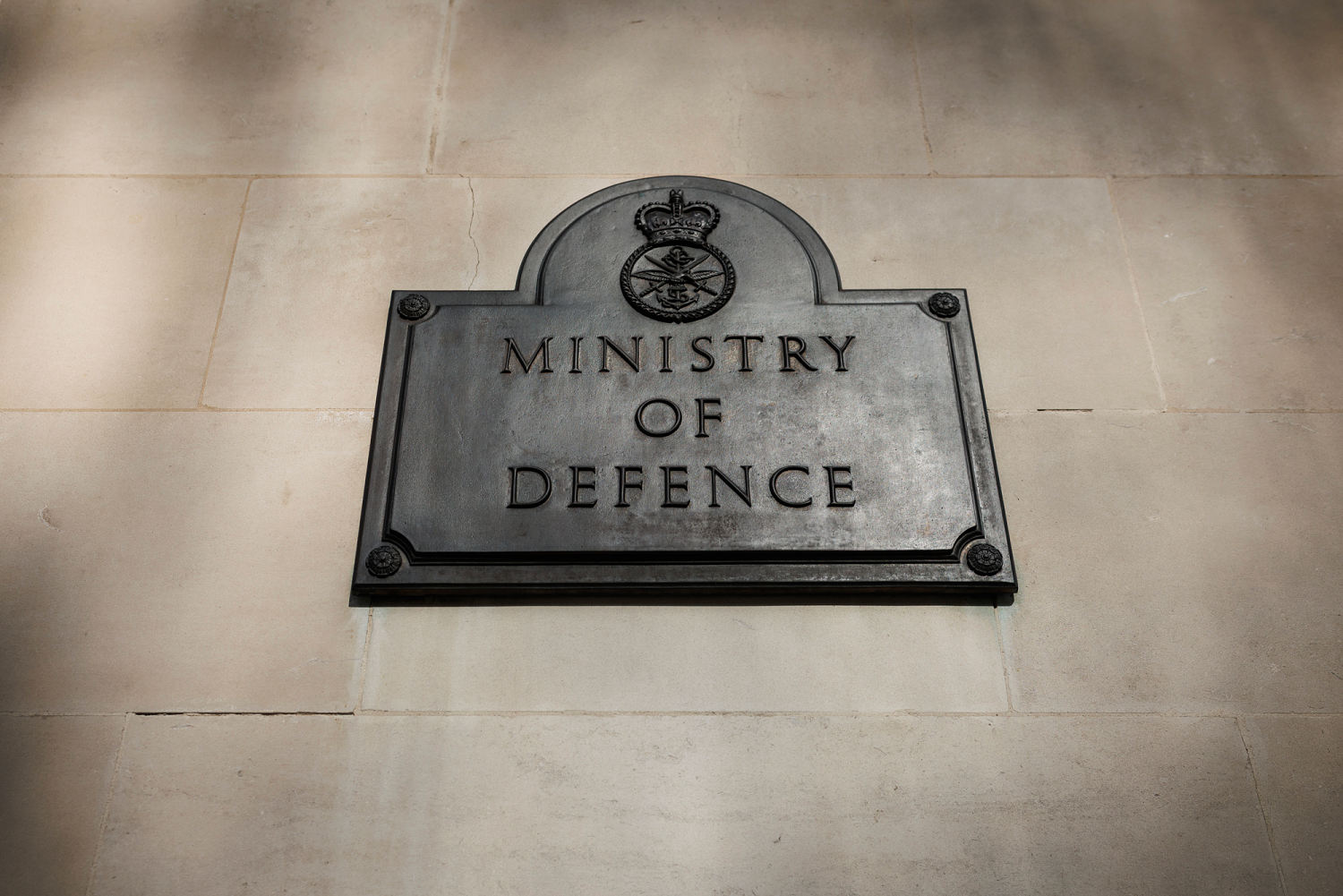
These are the questions haunting the hallways of Whitehall. The U.K. Ministry of Defence faces a delicate, high-stakes paradox. Respond too aggressively, and you give the provocateur the escalation they desire. Respond too meekly, and you abandon the very sovereignty you are sworn to protect, signaling that civilian life can be jeopardized with impunity.
The Reality of the Modern Horizon
The sea used to offer an escape from the relentless noise of the modern world. Once you clear the harbor wall, the political arguments and structural anxieties of dry land usually fade into the horizon.
Now, the horizon itself feels compromised. The investigation into the Russian ship is more than an inquiry into a specific coordinates-and-time log. It is an acknowledgment that the borders of global conflict have stretched to touch the spaces where ordinary families spend their summer weekends. The ocean is no longer a buffer; it is a canvas for intimidation.
Arthur, or anyone like him, returns to the marina with a story that sounds too wild to be true, yet too terrifying to ignore. They tie up the lines, wash the salt off the deck, and try to shake the image of a gray hull cutting through the mist. But the water is different now. The next time the fog rolls in, every sudden crack of thunder or distant engine roar will carry the phantom echo of a deck gun, reminding everyone within earshot that the rules we took for granted are being rewritten on the wind.