Buying a house in America right now feels like running uphill against a gale force wind. Just when prospective buyers think they might catch a break, benchmark borrowing costs climb right back up, pinning 30-year fixed mortgage rates near the grueling seven percent threshold. If you are currently house hunting, you are dealing with a brutal math problem where every fractional bump in interest strips thousands of dollars of purchasing power away from your family.
The standard advice of waiting out the market is starting to ring hollow. This isn't a temporary blip that will correct itself by next month. The current market dynamic reflects a stubborn standoff between sticky property valuations and expensive debt. Understanding why this happens requires looking past the national headlines and examining how real buyers and sellers are behaving in the trenches.
The Brutal Math Behind the Seven Percent Barrier
To grasp why the current rate environment hurts so badly, you have to look past the sticker price of a home and look at monthly debt service. Let's run a straightforward comparison on a $400,000 mortgage loan.
If you managed to lock in a 2.75 percent rate during the pandemic era, your principal and interest payment sat comfortably around $1,633 a month. Move that exact same loan amount up to a 7 percent interest rate, and your monthly check balloons to roughly $2,661. That is an extra $1,028 leaving your bank account every single month for the privilege of borrowing the exact same sum of money. Over the lifetime of a 30-year loan, you are handing over an extra $370,000 strictly in additional interest payments.
That realization explains why buyer demand evaporates the moment rates cross that psychological line. Wages simply haven't kept pace with this compounding penalty. When you factor in property taxes, soaring homeowners insurance premiums, and routine maintenance, a 7 percent mortgage turns a modest suburban home into a luxury asset.
Why Inventories Are Trapped in Amber
You would think that sluggish demand from buyers would cause home prices to crash. Basic economics dictates that if nobody is buying, sellers must slash prices to move inventory. Yet median home prices refuse to crater, hovering near historical highs with consecutive months of year-over-year gains.
The culprit is the golden handcuff phenomenon, frequently called the lock-in effect. Roughly half of all American homeowners with mortgages secured rates below 4 percent years ago. Why would anyone voluntarily surrender a 3 percent mortgage to trade into a 7 percent loan unless forced by a major life event like a job relocation or a growing family?
Sellers are staying put. This self-imposed supply freeze keeps existing inventory artificially constrained. Houses that do hit the market often sit longer, but sellers stubbornly hold out for top dollar because they know replacing their current living situation means doubling their cost of debt.
How Builders and Buyers Are Adapting
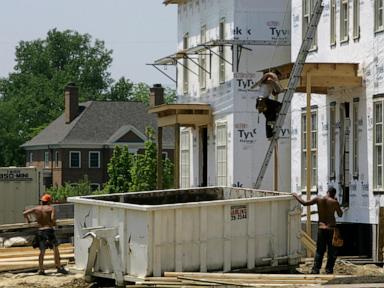
Homebuilders are caught in the crossfire as well. Confidence in the construction sector remains depressed, with a significant percentage of builders resorting to rate buydowns and aggressive price concessions just to keep production lines moving. If you are looking at newly constructed properties, developers are often your best route to securing financing incentives that private sellers simply cannot match.
If you refuse to sit on the sidelines, you have to change your strategy. Stop looking at your maximum pre-approval amount as your target budget. Lenders will approve you for amounts that leave you house-poor the moment an unexpected repair bill lands. Instead, work backward from a monthly payment you can comfortably sustain even if your income fluctuates.
Look for properties that have lingered on the market for more than sixty days. Sellers who tested the waters with unrealistic pricing months ago are finally facing reality and becoming flexible on terms. Keep your cash reserves liquid so you can cover closing costs or buy down points if it genuinely lowers your long-term debt burden. Navigating this market requires patience, skepticism toward inflated asking prices, and an unwillingness to stretch your finances to the breaking point.