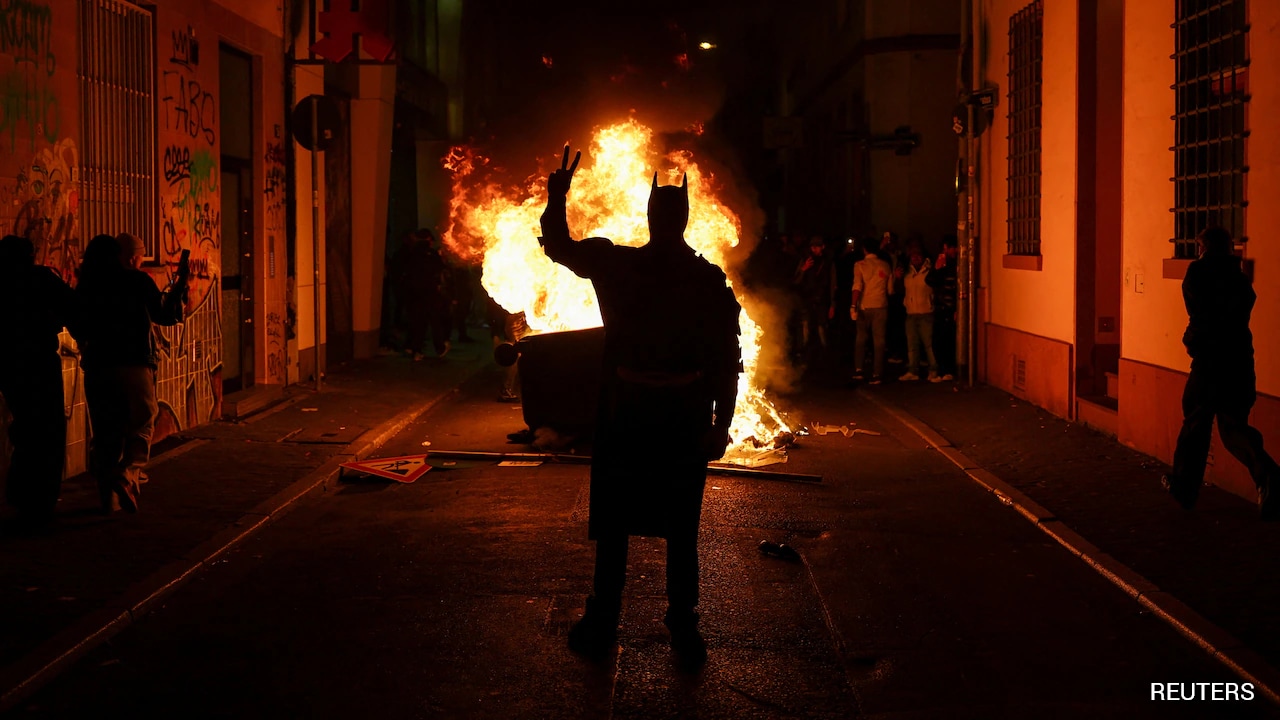
On November 1, 2024, a concrete canopy at Novi Sad's main railway station gave way at 11:52 a.m., killing 16 people and fracturing Serbia's political order for good. Two years on, the tragedy isn't just remembered as a structural failure. It became the spark that toppled a prime minister, ended 14 years of Serbian Progressive Party rule, and sent a student-backed movement straight into parliament.
Look at what happened between that quiet Friday morning in Novi Sad and the November 2026 commemorations. People expected grief. Many braced for crackdown after crackdown. Almost nobody predicted that university plenums, anti-corruption marches, and an unconventional citizens' slate would sweep snap elections in October 2026. Yet the hardest part of the reckoning is still sitting in courtrooms and unfinished files—no trial has started yet, and families are still waiting for real accountability.
Why the Canopy Collapse Hit Harder Than a Typical Tragedy
Plenty of disasters in the Balkans fade once officials promise an inquiry. This one didn't. Why? Because the building had just been renovated as part of wider rail modernization tied to the Belgrade–Budapest corridor, right when the government was touting infrastructure progress.
When heavy concrete crashes down onto people sitting on benches outside a train station, excuses about "bad luck" ring hollow fast. Fourteen people died initially, including children, and two more of the severely injured later died in hospital care, bringing the toll to 16. Engineers and critics quickly raised questions about what was repaired versus what was left alone—including whether added weight, aging steel anchors, or sloppy oversight played a role.
Then came the money gap that made citizens furious. Reporting on the station's renovation pointed to massive cost swings—from an earlier estimated cost of around four million euros in October 2023 to figures around 65 million euros cited by then-Minister Goran Vesić in July 2024 for work across the station. When public budgets balloon like that and a slab of concrete still drops on commuters, people stop seeing a construction flaw. They see a system rotting from the inside out.
"Tragedy describes an accident. But behind that word, one can cleverly conceal the word we are all looking for: responsibility," students said at the two-year memorial in Novi Sad.
How Campus Blockades Grew Into a Majority in Parliament
If you watched Serbian politics from afar in late 2024, the early protests looked like another burst of anger that might burn out by winter. Instead, something weird and stubborn happened. After students and faculty holding a vigil in Belgrade were attacked in November 2024, drama students at the Faculty of Dramatic Arts launched a blockade, and other faculties quickly followed.
Instead of picking a single charismatic frontman who could be co-opted, smeared, or bought off, students leaned on plenums—open assemblies where people debated and voted collectively. That structure looked messy to outside observers, honestly. Sometimes it moved slowly. Yet it kept the movement decentralized enough that no single arrest or media hit piece could kill it overnight.
Momentum snowballed through 2025:
- Construction Minister Goran Vesić resigned in early November 2024, followed by Prime Minister Miloš Vučević in January 2025 after months of escalating demonstrations.
- On March 15, 2025, a massive rally in Belgrade drew huge crowds from across the country—estimated at 275,000 to 325,000 by the independent Archive of Public Gatherings, and 88,000 to 107,000 in official counts—without tipping into the worst-case street violence many feared.
- By October 25, 2026, after Aleksandar Vučić stepped down as president in September to run for prime minister, the movement's "Student List - Students Win" slate captured roughly 53% of the vote and around 139–140 of parliament's 250 seats.
Voter turnout near 70% did the heavy lifting. In countries with entrenched political machines, apathy is the ruling party's best friend. Once people who had given up on ballots decided to show up anyway, the math shifted fast.
What People Get Wrong About Serbia's Student Movement
A lot of commentary treats Serbia's shift like a neat fairy tale where idealistic students rode in and fixed everything. That's way too simple, and pretending otherwise misses the real risks ahead.
First, the Student List isn't a pure, uniform ideology. To build a broad anti-corruption coalition that could win a majority, the movement pulled together candidates from different walks of life—doctors, professors, local activists, and figures with different views on national identity and foreign policy. Winning together is one thing. Governing together without fracturing is another.
Second, "leaderless" sounds great on a protest banner, until someone has to pick a prime minister, set a budget, and negotiate judicial reforms. Notably, students themselves weren't on the parliamentary candidate list; instead, assemblies vetted citizens from outside traditional party ranks. When lawmakers were sworn in on November 17, 2026, big questions around leadership nominations and coalition discipline were still being hashed out.
Third, changing the ruling party doesn't automatically fix courts, procurement rules, or prosecutors overnight. Institutions don't turn honest just because new people sit in the seats.
The Unfinished Business Still Haunting the Country
Two years after the collapse, the biggest gap in Serbia isn't at the ballot box—it's in the courtroom. An independent inquiry commission in late 2025 pointed to renovation shortcomings and corruption in contracting, while prosecutors indicted 13 people over the tragedy. An appeals court upheld the indictment in July 2026, yet two years on from the disaster, the criminal trial still hasn't begun and nobody has been convicted.
For parents like Dijana Hrka, who lost her 27-year-old son Stefan in the collapse, election results only matter if they lead to real legal outcomes. During the November 2026 commemorations in Novi Sad, crowds stood in silence for 16 minutes at 11:52 a.m.—one minute for each person killed. Grief in Serbia right now is tightly braided with impatience. People are tired of white papers, delayed hearings, and political theater.
Meanwhile, the Serbian Progressive Party still has a massive organizational footprint, and political tension remains high ahead of upcoming presidential and local votes. Any new government will face intense pressure to move fast without turning justice into selective payback.
Practical Ways to Follow What Happens Next
If you're tracking Serbia after the canopy collapse—whether as a researcher, journalist, investor, or engaged reader—don't get lost in daily noise. Focus on concrete checkpoints:
- Watch the court docket, not just speeches. Track whether the Novi Sad canopy trial actually opens and moves forward without endless procedural delays.
- Check public procurement and inspection reforms. Look for real changes to how state construction contracts are audited, published, and overseen—not just headlines about arrests.
- Follow parliamentary leadership and coalition votes. Pay attention to how the Student List organizes inside parliament, selects key posts, and handles internal ideological differences.
- Read independent local reporting alongside European assessments. Pairing Serbian investigative outlets and civil-society monitors with European Commission and ODIHR rule-of-law reporting gives a much clearer picture than official statements alone.
Real change in Serbia won't be proven by a single election night. It'll be proven when a public building is safe, a contract is transparent, and a court case finishes on merit instead of politics.