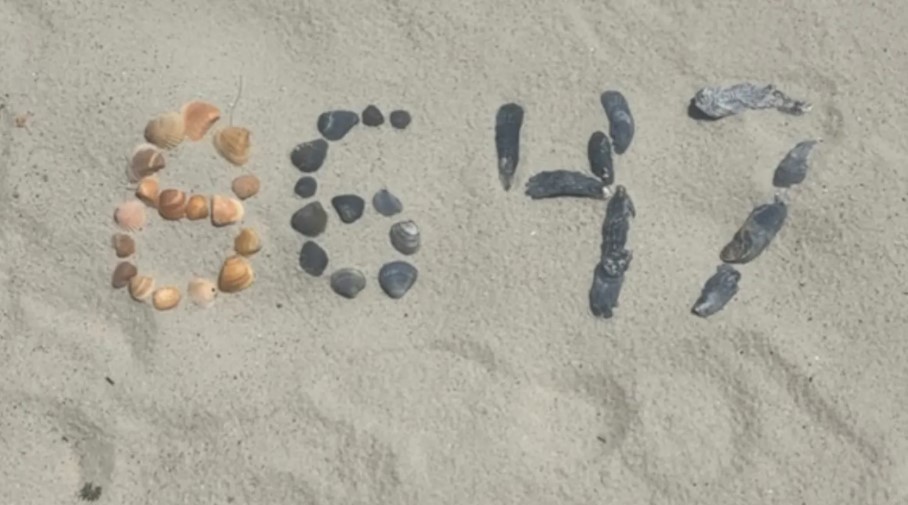
The indictment of a former FBI chief over a seashell photo isn’t about national security. It isn't about protecting Donald Trump. It isn’t even about the specific pixels in the image. This is a cold-blooded demonstration of how the administrative state uses "classified" labels to gag internal dissent and punish anyone who steps outside the pre-approved narrative lane.
The media wants you to focus on the absurdity of the seashell. They want you to debate whether a beach photo can truly compromise a motorcade route or a Secret Service detail. By engaging in that debate, you’ve already lost. You’re playing on their turf. You’re accepting the premise that the government has the right to retroactively weaponize digital artifacts to destroy the lives of their own former high-ranking officials.
I’ve spent decades watching the gears of federal agencies grind down anyone who thinks they are bigger than the system. This isn't a legal proceeding; it's a ritual sacrifice.
The Myth of Objective Classification
The core lie of this entire saga is that "classified" is a fixed, objective state. It isn’t. In Washington, classification is a fluid currency. It is a dial that can be turned up or down depending on who is holding the dial and whose throat they want to step on.
When a sitting official leaks sensitive data to a friendly journalist to build a legacy, it’s a "background briefing." When an ex-chief posts a photo that implies the Emperor has no clothes, suddenly that same data becomes a threat to the republic.
The indictment claims the seashell photo contained metadata or visual cues that compromised sensitive movements. Let’s be real. If the FBI actually cared about operational security, they would be auditing the thousands of Instagram posts from low-level staffers and family members that reveal more about presidential logistics than a grainy photo of calcium carbonate.
They don't care about the seashells. They care about the audacity of an insider talking back.
Digital Forensics as a Political Weapon
The prosecution will lean heavily on technical jargon. They will talk about EXIF data, geolocation, and "unauthorized disclosure of sensitive methods." They are counting on the public—and the jury—to be blinded by the science.
Imagine a scenario where a whistleblower wants to expose corruption in a federal agency. They take a photo of a document. The agency doesn't prosecute them for the content of the document—which might be embarrassing to the government—but instead for the "classified location" where the photo was taken.
This is the seashell strategy. By focusing on the vessel rather than the message, the government can bypass the First Amendment and go straight for the jugular. They are using the technicality of the "protected space" to criminalize the act of observation.
The Institutional Insecurity Complex
Why is the FBI so terrified of a seashell? Because it represents a loss of control over the aesthetic of power.
For decades, the Bureau maintained its aura through a carefully curated image of omnipotence. The rise of social media and the "ex-agent" influencer economy has shattered that. When former top brass start posting like regular citizens, the mystique evaporates.
The indictment is a desperate attempt to re-establish the wall. It’s a warning to every other agent sitting on a book deal or a podcast pilot: "We own your memories. We own your photos. We own your perspective, even after you hand in the badge."
If you think this is about Trump, you’re missing the forest for the trees. This is about the permanent bureaucracy asserting its dominance over both its predecessors and its successors.
The "Damage Assessment" Hoax
Every time the government brings a case like this, they produce a "damage assessment." This is a document, usually heavily redacted, that claims the disclosure caused "grave harm" to national security.
Here is a brutal truth from someone who has seen these assessments from the inside: They are almost entirely speculative fiction. They are written by the very people who want the prosecution to succeed.
- Vague Harm: They never cite a specific agent killed or a specific mission scrubbed. It’s always about "the potential to reveal sources and methods."
- The "Mosaic Theory": This is their favorite trick. They argue that while the seashell photo is harmless on its own, it could be the "final piece of a puzzle" for a foreign adversary. It’s a convenient logic that allows them to classify literally anything.
- Retroactive Sensitivity: Information that was public knowledge for years can suddenly become a state secret if it serves the prosecution’s timeline.
The seashell wasn't a threat until the former chief became a nuisance. That is the only timeline that matters.
The Price of Stepping Out of Line
The legal fees alone in a case like this are designed to bankrupt the target. Even if the ex-chief wins, he loses. He loses his reputation, his savings, and his peace of mind.
The system doesn't need a conviction to get its message across. The process is the punishment. They want every other official to look at their phone, look at their vacation photos, and feel a cold shiver of fear.
- Financial Ruin: Defense against federal charges costs millions.
- Social Isolation: Colleagues who used to call daily will suddenly treat you like you have the plague.
- The Gag Order: Once you’re under indictment, you can no longer defend yourself in the court of public opinion without risking more charges.
Why the "Common Sense" Defense Fails
You’ll hear people say, "It’s just a seashell! This is ridiculous!"
That common-sense reaction is exactly what the DOJ wants to steamroll. They want to show that your common sense has no standing in the face of "national security imperatives." They want to decouple law from reality.
When the law becomes so complex and the classification rules so opaque that a seashell can be a felony, then we no longer live in a republic governed by laws. We live in a technocracy governed by whoever has the power to sign the subpoena.
Stop asking if the photo was dangerous. Start asking why the people in power are so fragile that a photo of a beach threatens their grip on the world.
The Industry Insider’s Advice
If you are a high-level official, current or former, and you think your service protects you, you are a fool. You are a data point. You are a tool until you become a liability.
Burn your digital footprint. Scrub your metadata. But more importantly, realize that the institution you served does not love you. It doesn't even know you. It only knows its own survival.
The seashell isn't a crime. It’s a mirror. It shows the ugly, paranoid face of a bureaucracy that has lost its way and is now eating its own.
Don't look at the seashell. Look at the hand that's holding the indictment. That’s where the real threat to the country lives.
Stop pretending this is about security. This is about the high cost of vanity in a system that demands total anonymity or total submission. There is no middle ground. There is no "innocent mistake." There is only the narrative, and if you aren't writing it, you're the villain in it.