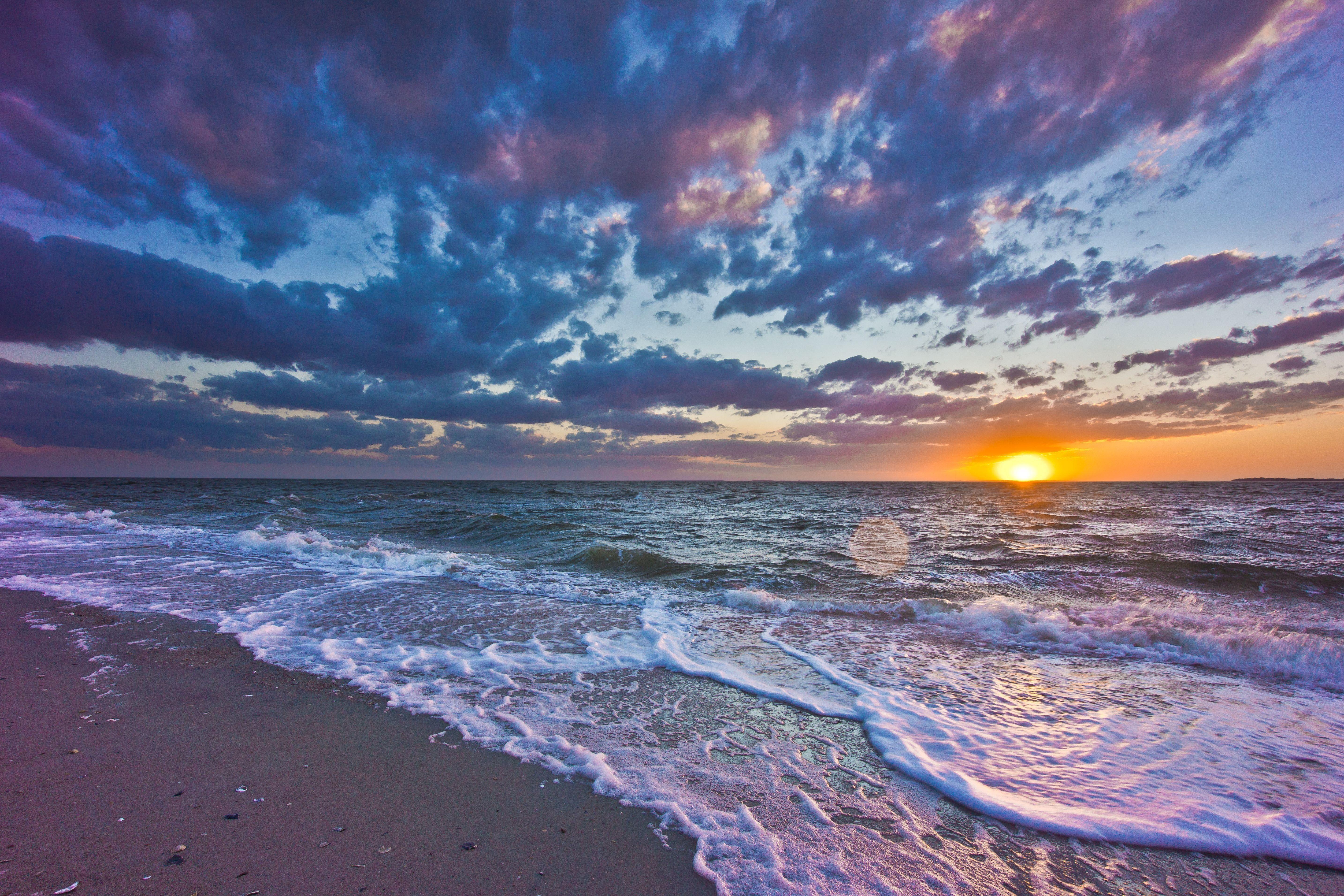
The morning air in western Sicily smelled of salt, wet asphalt, and the distinct, metallic copper tang of a sudden storm. For generations, the coast of Marsala has known the rhythm of the Mediterranean—the gentle lapping of turquoise water against ancient stone docks, the rhythmic clatter of fishing boats coming home at dawn, the predictable sigh of the scirocco wind. But October brought a different kind of breath. A heavy, suffocating warmth had settled over the Trapani province, an invisible reservoir of energy born from overheated seas.
Water remembers. And on that Friday morning, the sea decided to speak.
Out on the horizon, where the blue of the water met the low, bruised gray of the clouds, twin waterspouts began to spin. To anyone watching from the shore, they looked like thin, twisting ribbons of glass, descending from the sky to drink from the surface of the sea. They were hypnotic until they moved. And then they accelerated.
Consider what happens when nature abandons its gentle pace.
Twin tornadoes roared ashore between Marsala and Petrosino, transforming sun-drenched Italian streets into corridors of chaos. In seconds, centuries-old stone walls met winds capable of lifting multi-ton vehicles as if they were made of paper. Cars were flipped, smashed, and hurled into ravines. Roof tiles shattered like porcelain under an invisible hammer.
At a local school in Marsala, more than two hundred and seventy children were inside when the storm struck.
Imagine the sound. It is not the whistle of a standard wind. Survivors describe it as the roar of a low-flying freight train compressed into a single, deafening second. Windows shattered inward, showering classrooms with razor-sharp glass. Walls buckled. In the blind panic of dust and flying debris, teachers scrambled to shepherd children away from collapsing masonry, relying on instinct and frantic grace. Miraculously, quick thinking prevented a much higher tragedy, though the school building itself was left utterly devastated.
Outside, the landscape looked as though an invisible giant had dragged a rake through the town. Twisted metal, shattered timber, and personal belongings fluttered through the air like confetti. Dozens of people sustained injuries, with families rushed to hospitals as emergency crews raced against the threat of secondary collapses. Seven families found themselves suddenly homeless, standing on the edges of cordoned-off streets with nothing left except the clothes on their backs.
The authorities moved swiftly to declare a state of emergency, but paperwork and tarps cannot mend the sudden fracture in a community's sense of safety. For a region famous for its slow, sunlit endurance, the shock was profound. Scientists point to rising Mediterranean surface temperatures—the same invisible furnace linked to freak offshore disasters months prior—as the silent engine driving these volatile atmospheric extremes. The sea is changing its temperament. And the land is paying the price.
Night fell over Marsala without streetlights, illuminating the skeletal frames of damaged homes against a clearing sky. The wind had died down, leaving behind an eerie, hollow silence broken only by the crunch of glass beneath rescue boots. In the quiet dark, the people of the coast began the long, quiet work of sweeping up the sky.
Massive Tornado Struck Sicily, Italy! Homes Destroyed, Cars Flip
This video documents the immediate aftermath and raw footage of the destructive waterspouts and tornadoes that struck the coastal towns of western Sicily.