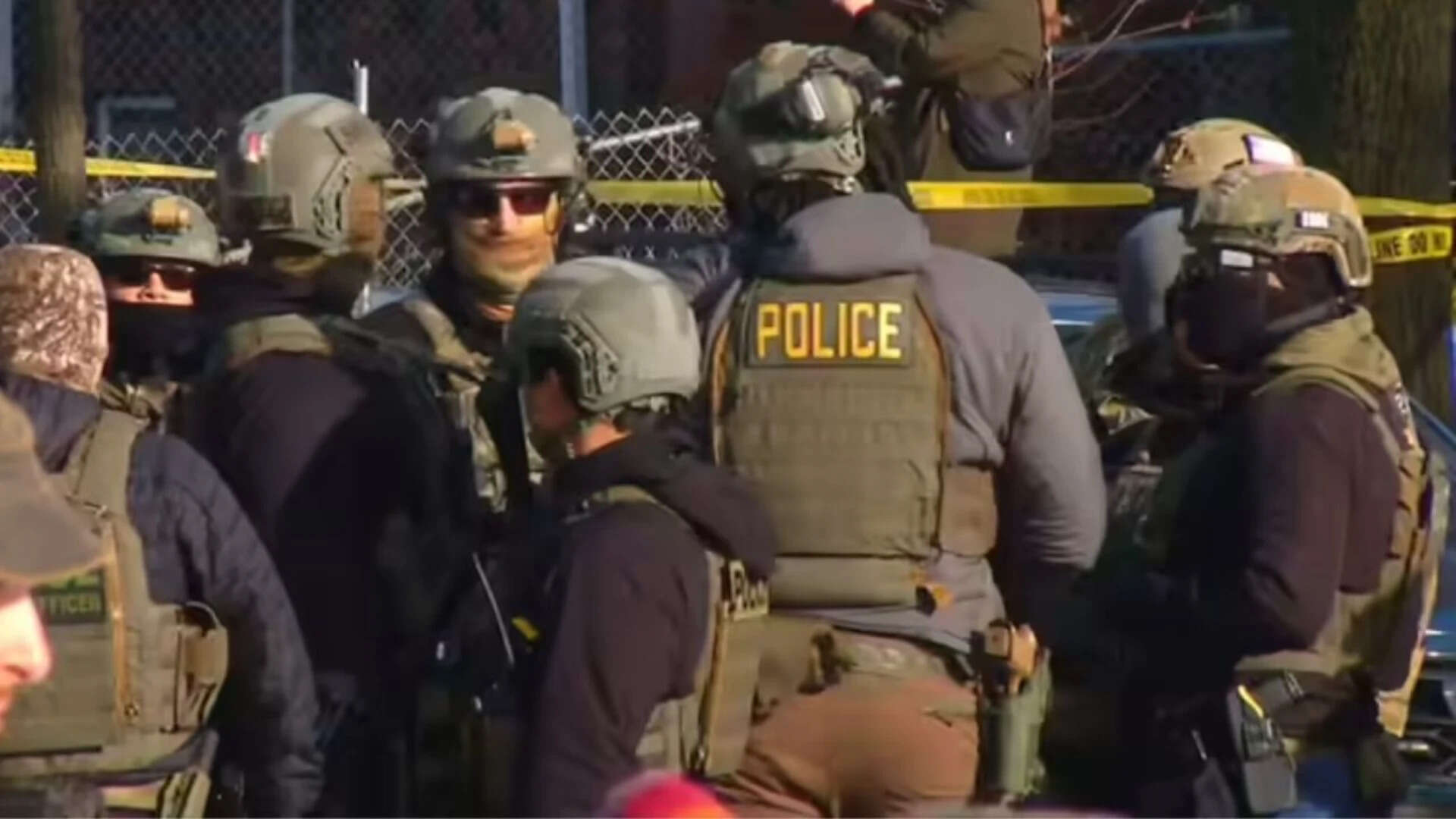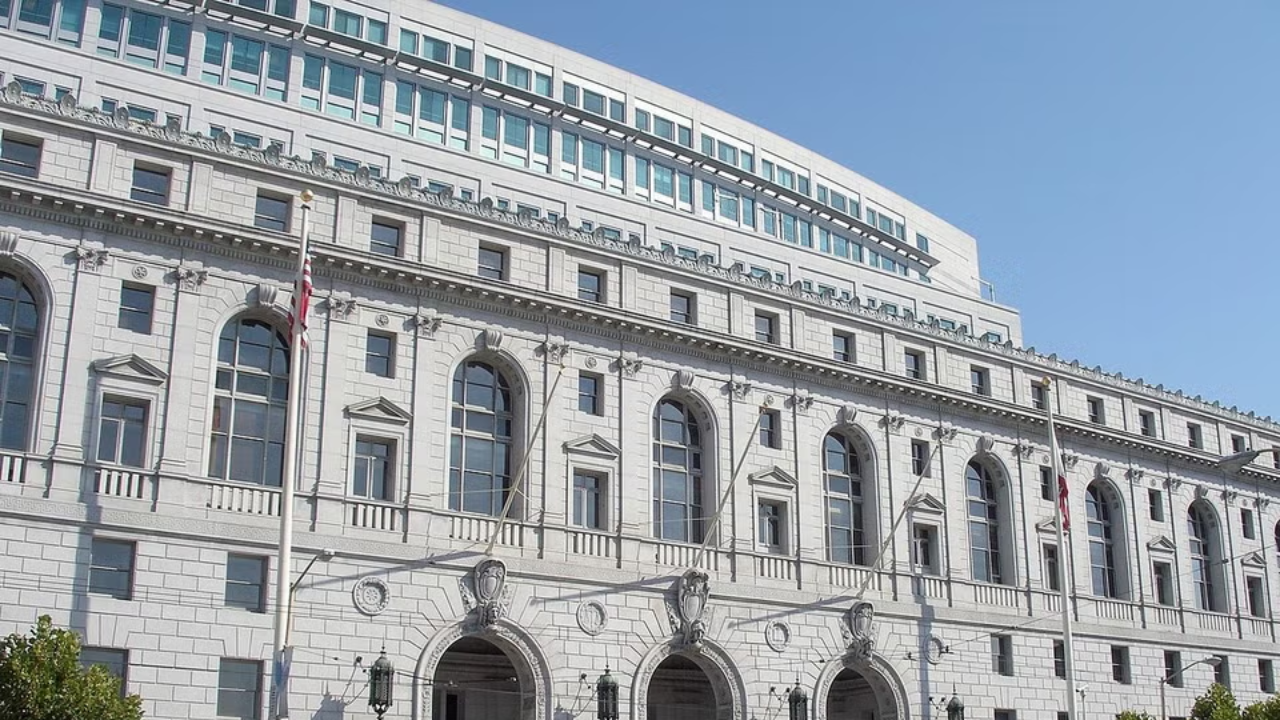
The Kurdish-led Syrian Democratic Forces officially dissolved on August 25, 2026, handing over their independent military status to the central government in Damascus. On paper, it looks like a clean slate. Decades of de facto autonomy in the northeast have vanished into a single state apparatus led by interim President Ahmad al-Sharaa. Mazloum Abdi stood at the presidential palace and declared the mission complete.
Don't buy the clean narrative. Military absorption is not the same thing as true national unification.
When you look past the official press conferences, Syria remains deeply fractured. Centralized command structures don't magically erase sectarian wounds, foreign interventions, or armed opposition. If you think the country is finally sewn back together, you are missing the reality on the ground.
The Mechanics of the SDF Merger
Let's look at what actually happened. The SDF didn't just walk away. Following a punishing military offensive by Damascus in January 2026 and intense US-brokered negotiations, an integration framework took shape. Around 10,000 to 12,000 former SDF fighters were folded into specific brigades within the Syrian Arab Army, eventually falling under the newly structured 2nd Corps. High-ranking figures like former SDF commander Sipan Hamo even secured high-level defense posts.
Damascus also absorbed civilian institutions, oil infrastructure in Rumeilan, border crossings, and administrative bodies. On paper, state authority stretches further north and east than it has in over a decade.
Yet, forcing independent militias into state uniforms creates internal time bombs. Integrating fighters who spent years defending an autonomous socialist-democratic project under a centralized Arab-majority command structure is messy. Disagreements persist over sensitive issues, such as the future of the all-female Women's Protection Units (YPJ), which conservative factions in Damascus view with deep suspicion.
Where Central Authority Fails
True military and political unification requires monopoly over violence and consent from the governed. Syria has neither.
Take the southern province of Sweida. Unlike the northeast, where a negotiated surrender or integration took place, Sweida remains firmly controlled by Druze factions. Relations with Damascus hit a brutal wall following sectarian revenge attacks carried out by government-aligned elements. Now, local Druze militias maintain open hostility toward the central government, backed by external meddling and geographical protection from neighboring Israel, which occupies adjacent territory near the Golan Heights.
Then you have the Turkish factor in the north. Turkey spent years treating the SDF as an existential threat due to its historical ties to the Kurdistan Workers' Party (PKK). While the integration agreement mandated the expulsion of non-Syrian PKK members, Ankara's proxy forces and active military presence across northern border zones mean Damascus does not exercise unhindered sovereignty over its entire northern frontier.
What This Means for the Future
If you are tracking stability in the Middle East, stop measuring success by signed decrees in Damascus.
The end of the SDF marks a major geopolitical pivot, especially as Washington shifts its diplomatic backing entirely toward the post-Assad transitional authorities. But absorbing a massive parallel administration doesn't instantly heal a broken state.
Watch the integration zones in Hasakah and Qamishli closely. If former SDF brigades find themselves marginalized or stripped of local security control, low-level insurgency or localized flare-ups will follow. True national unity requires inclusive governance that respects ethnic and religious minorities, not just a flag change over government buildings. Until Damascus wins the genuine trust of the Druze in the south, the remnants of the opposition, and the marginalized communities of the north, Syria remains a patchwork held together by exhaustion rather than genuine cohesion.