Wall Street is on edge, and it’s completely understandable. Gas prices are hovering around four dollars a gallon, the 10-year Treasury yield has been climbing, and the ongoing conflict with Iran is dominating the evening news. If you glance at your portfolio right now, you might feel a knot in your stomach.
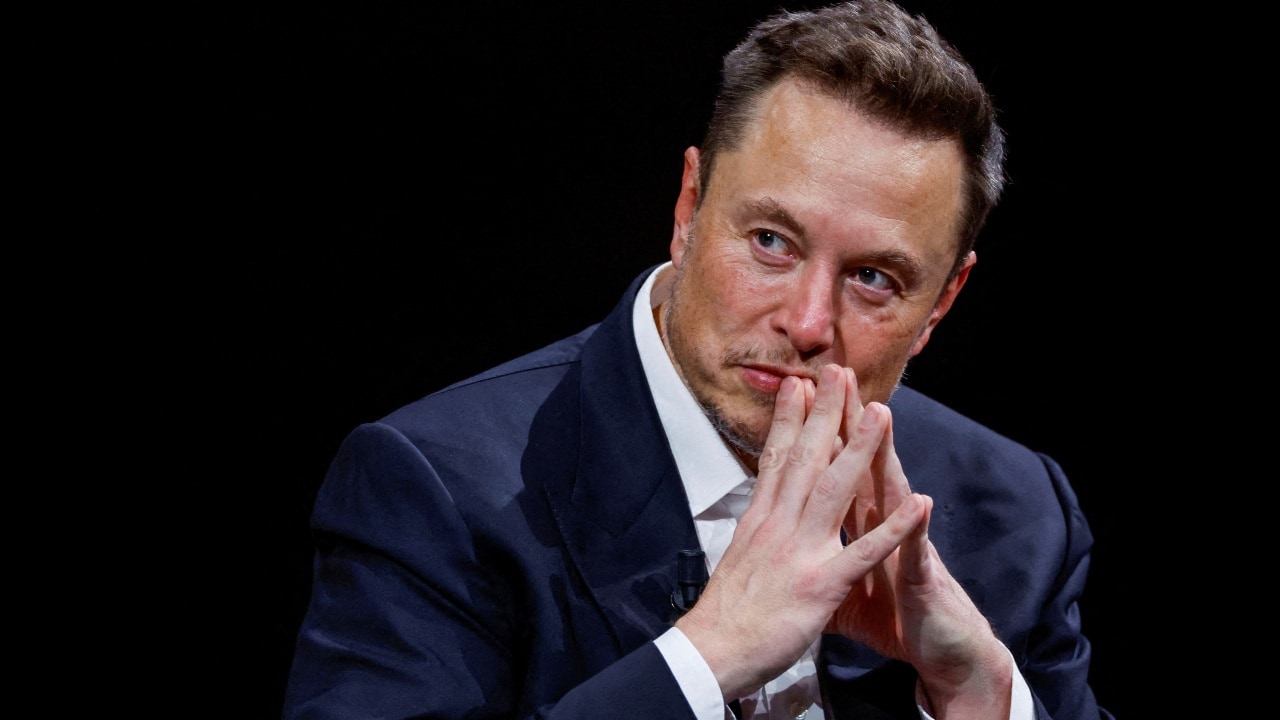
But U.S. Treasury Secretary Scott Bessent wants everyone to take a collective breath.
Speaking from the G7 Finance Ministers meeting in Paris, Bessent made it clear that the current economic pain isn't here to stay. He argues that the spike in energy costs and the surge in bond yields are "transient" side effects of the geopolitical conflict. Once the war winds down, he expects market pressures to ease significantly.
Is this just political spin to keep voters calm, or does the data actually back him up? Let’s look at what’s really driving these numbers and what it means for your money.
The Geopolitical Premium Driving Inflation
When war breaks out in the Middle East, energy markets panic first. The threat of a sustained blockade in the Strait of Hormuz—the world’s most critical oil transit chokepoint—instantly adds a risk premium to crude prices. We've seen West Texas Intermediate crude climb sharply, which trickles down directly to the pump.
This energy shock complicates things for the Federal Reserve. Higher oil prices mean higher headline inflation, which has effectively crushed hopes for immediate interest rate cuts.
Bessent’s core thesis relies on a simple economic principle: duration matters more than the temporary price level. During an exclusive interview, he pointed out that the current instability is tied to a necessary pursuit of long-term security. The administration's goal is to degrade Iran’s military capacity quickly through a combination of physical action and strict financial blockades.
The Treasury has already launched fresh sanctions against Iranian exchange houses and shipping vessels. Bessent is actively pushing G7 allies to choke off the remaining avenues of what he calls Iran's "war machine." The calculation here is straightforward. A short, sharp economic disruption today avoids a permanent, unmanageable crisis down the road.
What the Bond Market Is Actually Telling Us
As the self-described "guardian of the bond market," Bessent watches the 10-year Treasury yield like a hawk. When yields spike, it usually means investors are dumping bonds because they expect inflation to eat away at their returns.
But there's an opposing force at play here. While the bond market is sweating over sticky inflation, the stock market has remained surprisingly resilient. Corporate earnings have acted as a massive buffer, allowing equities to absorb rising yields without collapsing.
- The Energy Factor: High oil prices act like a temporary tax on consumers, pulling money out of the broader economy.
- The Yield Cushion: Higher yields make fixed income attractive again, meaning money will likely flood back into bonds the moment inflation signs cool.
- The Historical Trend: War-driven inflation spikes typically collapse quickly once military operations conclude and trade routes reopen.
Look at historical precedents. Geopolitical supply shocks, whether it's the 1973 oil crisis or the Gulf War in 1990, create dramatic, vertical price spikes. But they don't last forever. The moment the structural bottleneck is removed, supply normalizes, and prices plummet. Bessent explicitly stated that on the other side of this conflict, oil prices are going to be much lower.
Legitimate Opposing Views to Keep in Mind
While Bessent’s track record at Soros Fund Management and Key Square Capital Management commands respect, not everyone on Wall Street shares his optimism.
Skeptics argue that the longer the conflict drags on, the greater the risk of structural damage to global supply chains. A temporary disruption can become a permanent fixture if shipping companies permanently reroute vessels, adding long-term freight costs to everyday goods. There's also the reality of the Federal Open Market Committee minutes, which revealed that a majority of central bankers still believe interest rate hikes might be warranted if inflation persists.
If the Fed is forced to raise rates instead of cutting them, bond yields won't just stay flat—they'll keep climbing.
Practical Steps to Protect Your Portfolio Right Now
You shouldn't just sit on your hands and wait for the war to end. Volatility creates distinct opportunities if you know where to position your capital.
First, consider locking in some of these higher yields. If you believe Bessent is right and these yields are transient, the current rates on short-to-medium-term Treasuries represent a cyclical peak. When yields eventually drop, bond prices will rise, giving early buyers both reliable income and capital appreciation.
Second, don't abandon equities completely. Companies with strong balance sheets and pricing power—especially those in technology and defensive sectors—are proving they can handle this environment. Avoid high-debt, speculative growth companies that rely heavily on cheap borrowing, as they'll suffer the most if interest rates stay higher for longer.
Finally, keep a close eye on the diplomatic front. The moment a credible ceasefire or a definitive diplomatic resolution emerges regarding the Strait of Hormuz, energy prices will likely crater overnight. Being prepared for that sudden shift will prevent you from getting caught on the wrong side of a massive market reversal.
To understand how the administration is actively working to bring these costs down, you can watch this analysis of the U.S. sanctions strategy against Iranian finances which outlines the exact economic pressure mechanisms the Treasury is deploying to shorten the duration of the conflict.