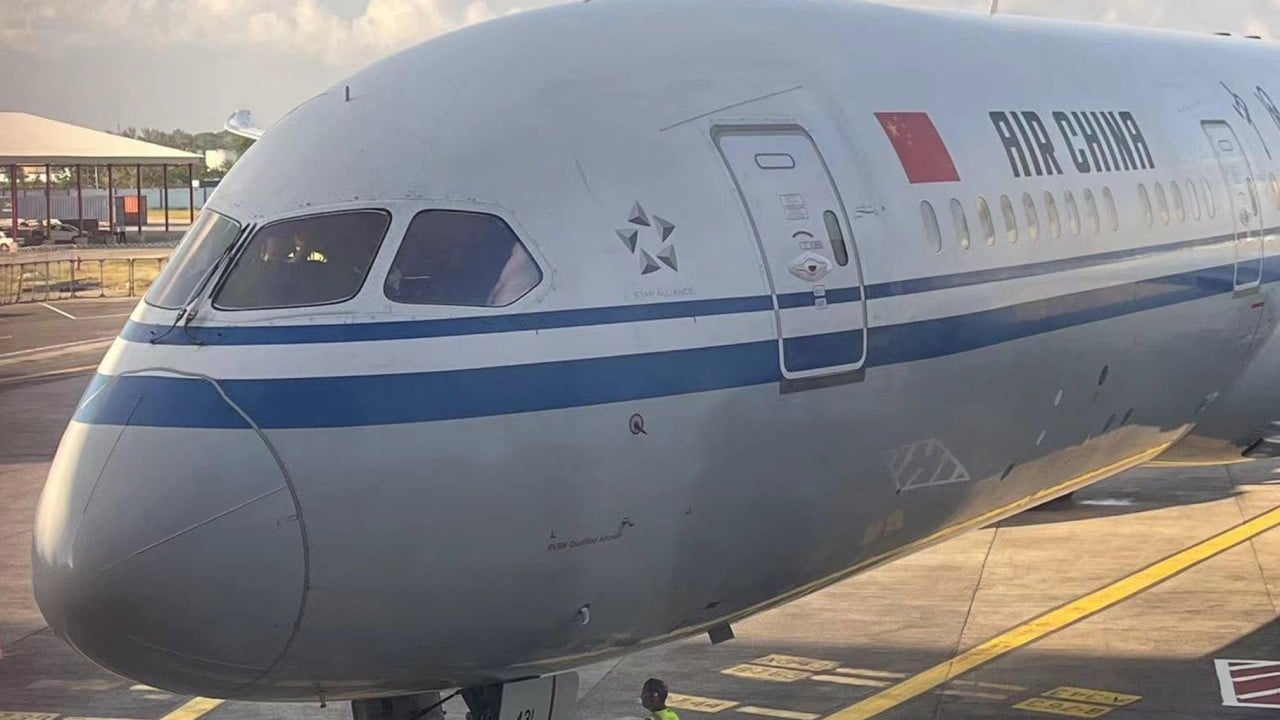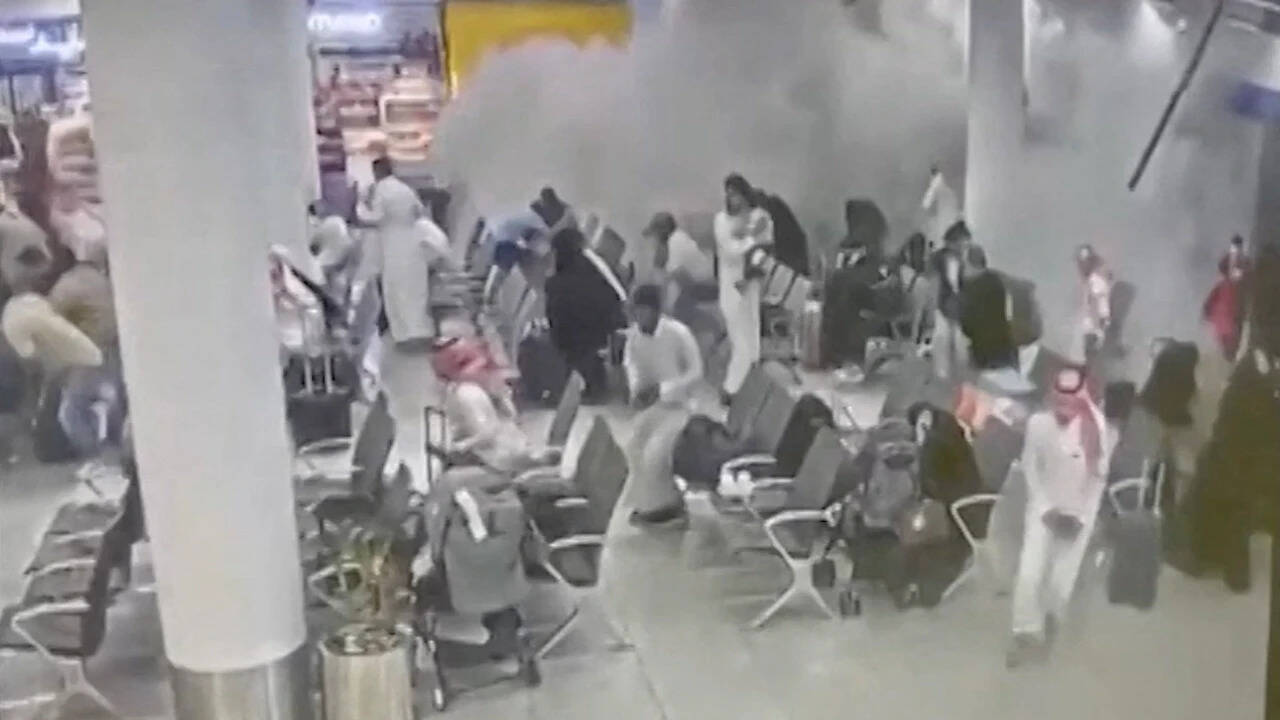
More than 45% of scheduled flights departing Saudi Arabia were cancelled or hit with no-fly status between October 8 and October 25, wiping out over 7,800 departures. If you tried to book a ticket out of the kingdom in mid-autumn or watched your itinerary vanish hours before check-in, you already know how fast normal plans fall apart.
Riyadh took the hardest punch by far. King Khalid International Airport saw roughly 86% of its scheduled departures disrupted during that stretch—4,071 flights out of 4,736. Jeddah had a much lower cancellation rate around 22%, while Dammam sat closer to 42%, and smaller hubs like Taif and Abha saw heavy cuts too. You might also find this connected story useful: Emergency Descent Mechanics Behind The LATAM 23,000 Foot Event.
What makes this situation messy isn't just a bad weather week or a software glitch. Repeated attacks involving missiles and drones, along with active air defense interceptions and shifting airspace warnings, have forced airlines to re-evaluate risk day by day. Even after partial reopenings at Riyadh's airport in late October, plenty of foreign carriers kept suspensions rolling into December, January, and beyond.
Why Saudi flight cancellations keep dragging out
People hear "airport reopened" and assume normal schedules are back within days. Doesn't work that way when war-risk insurance, crew rostering, and European aviation advisories are involved. As reported in latest reports by Lonely Planet, the effects are worth noting.
When security incidents hit near aviation infrastructure or regional airspace warnings get extended—including European aviation agency advisories covering Gulf corridors into early 2027—airlines don't just flip a switch. Flight crews have to clear safety thresholds, aircraft have to be positioned without getting stranded out of base, and insurers price risk into every routing decision.
You can also see a big split between carriers right now. Some regional operators adjust week by week, pausing a route for a few days or a few weeks and then cautiously restarting limited frequencies. Long-haul airlines from Europe, Asia, and North America often take a much longer view, pushing resumptions into late December, January, February, or even spring 2027.
Honestly, that gap between short-term rebookings and multi-month suspensions is where travelers get burned. A flight might show "open" on a booking screen, only for the carrier to roll the cancellation forward another two weeks because regional conditions stayed tense.
What residents and expats are actually doing instead
When flights vanish, people in Saudi Arabia don't sit around waiting on hold forever. They start piecing together workarounds—some smart, some way riskier than they look on a map.
Shifting departure cities inside the kingdom
One common move is switching from Riyadh to Jeddah or Madinah when a route out of the capital gets wiped out. Because disruption rates have varied sharply by airport, flying out of King Abdulaziz International Airport in Jeddah has often offered more intact connections than trying to force a departure through Riyadh.
Still, "more options" doesn't mean "guaranteed smooth sailing." Schedules at secondary or alternate Saudi airports change fast, and getting to another city requires checking local road conditions, ground transport availability, and whether your connecting leg is actually flying.
Driving across borders to neighboring hubs
You'll hear plenty of talk among residents about driving overland toward the UAE, Bahrain, or Qatar to catch flights from hubs like Dubai, Abu Dhabi, or Doha. On paper, a road trip sounds appealing when your direct flight is gone.
In practice, it's not a casual weekend drive. Neighbouring countries deal with their own airspace adjustments and schedule changes, border crossings have strict rules depending on your residency and visa type, and long highway stretches carry real practical strain if conditions shift suddenly. Never treat a border crossing as an automatic escape hatch without verifying entry rules and onward flight status first.
Delaying non-essential trips and working remotely
Plenty of residents and expats are simply hitting pause. If a trip is for a conference, a visit, or a routine break that isn't urgent, waiting out the worst of the schedule churn saves money and headaches.
There's also a real social tension around all this. Talk of expats packing up and leaving quickly has stirred pushback in local discussions, with some feeling that people who built lives and careers in the kingdom shouldn't bolt at the first sign of trouble. You don't have to take a political stance to see why travel choices feel heavier right now than a normal flight delay.
The biggest mistakes travelers make during mass cancellations
I've watched smart travelers make the exact same avoidable errors during big aviation disruptions. Stress makes people rush, and rushing costs money.
First, heading to the airport without checking direct airline updates is a recipe for wasted hours. A terminal being open doesn't mean your specific flight is operating. Second, buying a brand-new ticket on another carrier before getting clarity on your existing booking can lock you into high last-minute fares when you might have been eligible for free rebooking or a refund.
Third, ignoring exit and entry paperwork before a land trip trips people up fast. Passport validity, visa rules for the neighboring country, and Saudi residency or exit requirements depend heavily on your exact status—visitor, resident, pilgrim, or final-exit holder. Assuming your paperwork works just because you hold a valid passport is a classic trap.
Practical steps if your flight is cancelled or at risk
If you're trying to get out of Saudi Arabia or bring someone in right now, keep your moves deliberate and documented.
- Verify directly with the airline and keep records. Check your booking status straight with the carrier and save your booking reference, cancellation notice, and any schedule-change messages. Several airlines have offered complimentary date changes or full refunds on affected cancellations, so know what your carrier's current policy covers before changing plans.
- Compare airports before booking a workaround. Look at whether Jeddah, Madinah, Dammam, or another operating point actually has confirmed flights to your destination, and factor in ground travel time and safety before committing.
- Check border and visa rules before any overland route. If you're considering driving toward a neighboring Gulf state, confirm border operating rules, your entry eligibility, and whether your onward flight is actually running before you leave town.
- Build buffer time into every leg. With rolling suspensions and sudden schedule tweaks across regional and long-haul carriers, tight layovers and rigid return dates are the first things to break.
For ongoing schedule updates and aviation coverage, you can check reporting from The National and Gulf News, and always double-check your exact flight number with your airline on the day of travel.