Mass surveillance networks don't fail because of technical bugs. They fail because human beings with badges and personal vendettas get their hands on the keys.
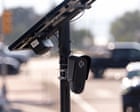
When the San Jose Police Department quietly confirmed that an officer had been fired for abusing the city's automated license plate reader network, it exposed a terrifying operational reality. The officer didn't use the system to catch a violent criminal or solve a complex felony. Instead, he used his personal phone to tap into the department's Flock Safety database while off-duty, tracking down a woman's location and handing those real-time coordinates directly to his cousin—who happened to be a suspect in a domestic abuse case against her.
Think about that for a second. A tool marketed to taxpayers as an objective shield against crime was weaponized to help an alleged abuser hunt down a victim.
How The Breach Actually Happened
The mechanics of this violation expose major blind spots in how law enforcement agencies manage modern surveillance infrastructure. The officer didn't need to hack anything or break into a precinct terminal. He used a personal mobile device to query the database remotely.
The scheme only came to light because the victim realized her abuser possessed impossible knowledge of her movements. She reported it, prompting internal investigators to pull vehicle logs and trace the unauthorized lookups. Without her intuition and subsequent report, the query would likely have vanished into the digital noise, buried beneath millions of routine scans.
Following the internal probe, the officer was fired, but neither he nor his cousin faced criminal charges. That legal loophole exists because current statutes often fail to classify automated license plate reader data with the same strict confidentiality protections applied to traditional criminal databases, leaving a gaping hole in accountability.
The National Surveillance Creep
San Jose's incident isn't an isolated anomaly. Across the country, law enforcement agencies are deploying thousands of automated cameras that stitch together the daily movements of everyday citizens. These systems log license plates, vehicle types, colors, and timestamps, creating a continuous historical map of where people drive, work, and live.
When you give hundreds or thousands of officers unchecked mobile access to that kind of power, abuse is inevitable. Similar tracking scandals have surfaced nationwide, including cases where officers used plate reader networks to stalk estranged spouses or dig up dirt on personal acquaintances. When personal drama intersects with municipal surveillance grids, privacy ceases to exist.
Why Policy Changes Fall Short
In response to the public backlash, San Jose officials scrambled to patch the procedural leaks. The department instituted a ban on accessing sensitive automated license plate reader databases from personal mobile devices and promised monthly audits.
Audits are fine, but they are reactive. An audit tells you who looked at a file after the damage is done. It doesn't stop an officer from pulling up coordinates on a phone screen in real time. If a department relies on after-the-fact spot checks to catch bad actors, victims remain entirely unprotected against premeditated breaches by people inside the system.
True security requires hard technical limits, such as strict geo-fencing, mandatory multi-factor authentication tied exclusively to department-issued terminals, and automated anomaly detection that flags suspicious queries the exact second they happen. Until agencies build systems that assume internal actors will try to bypass the rules, public surveillance will remain a private weapon for anyone with a badge and a motive.
Review your local city council's contracts with automated surveillance vendors, push for strict data retention caps, and demand independent oversight boards with real teeth before your daily commute becomes an open book.


