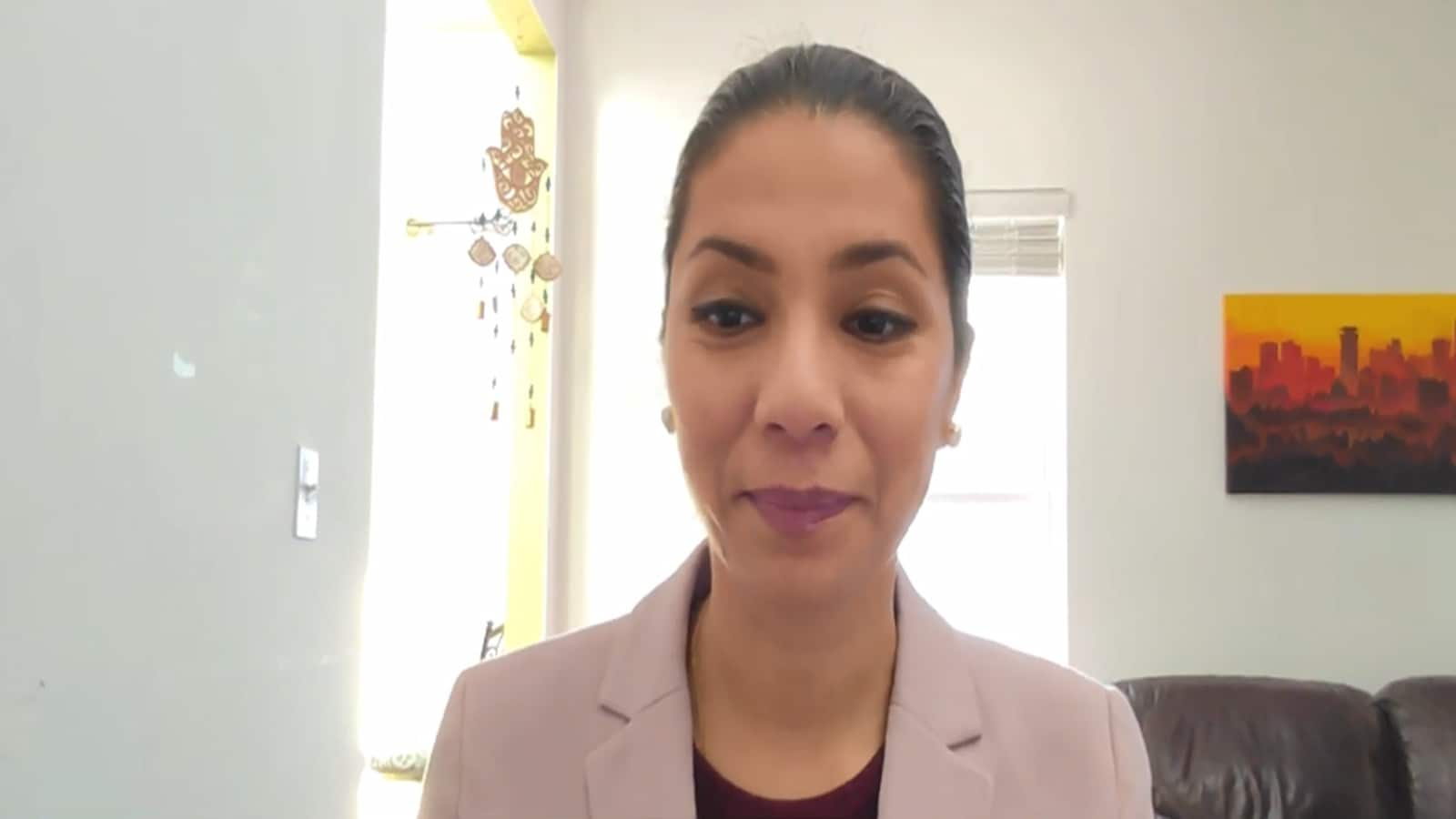
Indian-origin US lawmaker Saba Haider argues that Donald Trump's hardline immigration policies, unpredictable economic tariffs, and divisive cultural rhetoric are actively alienating middle-class suburban voters, costing the Republican Party critical margins in swing districts across the American Midwest. For decades, GOP strategists relied on fiscally conservative, family-oriented immigrant communities—particularly South Asian professionals—to anchor suburban coalitions. Haider, an Illinois Democratic lawmaker who flipped a traditionally competitive seat in DuPage County, points directly to the friction between traditional Republican messaging on small business and the reality of Trump-era governance as the primary driver behind this electoral erosion.
Politics is rarely lost in a single dramatic collapse. It bleeds out slowly at kitchen tables, school board meetings, and local chambers of commerce. When a political movement prioritizes ideological purity and grievance over administrative predictability, the first voters to walk away are the ones who moved to the suburbs specifically to avoid chaos.
The Suburban Realignment in the American Midwest
To understand why Haider’s assessment carries weight among political analysts, you have to look at the geography of modern American elections. Places like DuPage County, Illinois—where Haider built her political base—were once impenetrable fortresses for the Republican Party. For generations, the formula was simple: keep property taxes low, support local business owners, maintain strong public schools, and the suburban voter stayed reliably red.
That equation broke down over the last decade.
According to Haider’s observations on the campaign trail and in legislative sessions, the shift was not driven by a sudden ideological conversion to progressive orthodoxy among suburbanites. Instead, it was a reaction to governance instability. Voters who prioritize economic growth and community safety began viewing the Trump-led GOP not as the party of order, but as a source of constant disruption.
Why South Asian Voters Are Shifting Away from the GOP
Indian Americans and broader South Asian communities represent one of the fastest-growing demographic blocs in the United States. Historically, many first-generation immigrants leaned toward conservative economic principles. They valued low corporate tax rates, minimal regulatory interference, and strong educational standards. On paper, they should have been a permanent fixture of the Republican base.
Haider, speaking from her perspective as an Indian-origin lawmaker representing a diverse suburban constituency, highlights how Trump’s policy platform created a direct conflict for these households. While Republican rhetoric promised lower taxes, the administration's restrictive stance on legal immigration—specifically targeting H-1B work visas and family-based green card sponsorships—struck directly at the livelihoods and family structures of South Asian professionals.
You cannot ask a voter to support your tax plan while simultaneously threatening the legal status of their spouse, their siblings, or their engineering team. That contradiction proved fatal for Republican outreach in tech-heavy and medical-hub suburbs from Chicago to Atlanta.
Economic Nationalism Versus Main Street Reality
A core pillar of Donald Trump’s political appeal is economic nationalism, centered heavily on broad tariffs and aggressive trade renegotiations. In theory, the policy is designed to protect domestic manufacturing. In practice, as Haider and regional business leaders point out, tariffs function as a hidden tax on local supply chains and consumers.
Consider a hypothetical example of a mid-sized logistics and distribution firm operating in the Illinois suburbs. The company imports specialized components from Asia, assembles them locally, and sells them to regional contractors. When sweeping tariffs are imposed overnight without clear exemption processes, that firm’s input costs spike immediately. They face two bad choices: absorb the loss and freeze hiring, or pass the cost onto local customers, fueling inflation.
Suburban voters are acutely sensitive to interest rates, supply chain bottlenecks, and retail prices. When economic policy is dictated by executive whim rather than predictable legislative frameworks, small business owners lose the ability to plan five years ahead. Haider’s critique zeroes in on this exact vulnerability. Republican candidates running in swing districts are forced to defend trade wars that actively hurt the local employers they claim to champion.
The Erosion of Fiscal Credibility
For forty years, the Republican brand rested on fiscal restraint. Even when voters disagreed with the party on social issues, they trusted the GOP to manage the balance sheet. That trust has fractured.
During the Trump administration, the national debt expanded dramatically, driven by unfunded tax cuts and massive emergency spending bills. When combined with renewed proposals for universal baseline tariffs—which mainstream economists across the political spectrum warn could reignite inflationary pressures—the GOP’s traditional advantage on the economy begins to narrow.
Haider notes that voters in educated, high-income suburbs do not just listen to campaign slogans about inflation; they read the underlying numbers. When Republican candidates attack Democratic spending while defending policies that increase consumer prices and swell federal deficits, independent voters tune out.
Social Rhetoric and the Alienation of Moderate Women
Beyond economics and immigration, the cultural tone set at the top of the Republican ticket has created a persistent drag on down-ballot candidates. Suburban elections are overwhelmingly decided by college-educated women, a demographic that has fled the GOP in historic numbers since 2016.
Haider’s rise in Illinois politics illustrates how local candidates capitalize on this divide. By focusing on pragmatic issues—mental health funding, environmental conservation, public education, and reproductive healthcare access—Democrats have positioned themselves as the defenders of suburban quality of life.
Conversely, Republican candidates in swing districts find themselves trapped. To survive a GOP primary, they must embrace the combative, grievance-heavy rhetoric favored by Trump’s core base. Yet the moment they pivot to the general election, those exact primary talking points become toxic liabilities.
- Reproductive Rights: Following the overturning of Roe v. Wade, strict abortion bans championed by conservative state legislatures mobilized suburban voters who previously sat out midterm and local elections.
- Public Education Battles: Aggressive campaigns targeting local school boards and library curricula often backfired, alienating parents who wanted better funding and lower class sizes rather than culture-war litigation.
- Institutional Trust: Persistent attacks on democratic norms, election administration, and the judicial system unsettled moderate voters who value institutional stability above partisan victory.
Haider’s argument is straightforward: voters do not want their local state representative or congressional member to act as a cable news pundit. They want someone who fixes potholes, secures state grants for local infrastructure, and respects the diversity of the neighborhood.
The Counter-Argument and the GOP’s Resilient Base
Any honest assessment of American politics requires acknowledging where Haider’s critique meets resistance. The Republican Party has not collapsed; it has transformed. What the GOP lost in affluent, college-educated suburbs, it largely offset by making massive gains among working-class voters without college degrees across rural and exurban America.
Furthermore, Trump’s defenders argue that his policies delivered tangible benefits before the global pandemic disrupted the economy. They point to the 2017 Tax Cuts and Jobs Act, deregulation efforts that lowered energy costs, and judicial appointments that reshaped the federal courts as generational achievements. Among certain segments of the immigrant community—particularly Cuban Americans in Florida and working-class Hispanic voters in Texas—Trump’s anti-socialist messaging and emphasis on law and order actually expanded the Republican coalition.
Even within the Indian American community, support is not monolithic. A vocal faction of Hindu nationalists and conservative business owners actively supports Trump, drawn to his tough stance on China, his rapport with Indian Prime Minister Narendra Modi, and his opposition to affirmative action policies in higher education.
Why National Gains Fail in Local Swing Districts
The problem for the Republican Party is structural math. National popular vote margins do not win state legislatures or suburban congressional seats. Geography matters.
Running up the score by 70 percent in a rural downstate county does nothing to help a Republican candidate win a tightly contested district outside Chicago, Philadelphia, or Detroit. In those battleground suburbs, losing just 4 or 5 percent of traditional center-right voters—the exact demographic Saba Haider speaks to—is the difference between winning a majority and spending the next decade in the political wilderness.
When a national party figure dominates every news cycle, local Republican candidates lose the ability to run localized campaigns. Voters nationalize the ballot. A moderate Republican running for a state senate seat in Illinois ends up paying the electoral price for a controversial statement made at a rally in Florida or Ohio.
The Structural Trap Facing Down-Ballot Republicans
Veteran political operatives know that candidate quality and message discipline decide close elections. Under Trump’s leadership, the Republican Party’s infrastructure has been reorganized to prioritize loyalty to a single individual over strategic adaptability.
This creates an impossible bind for GOP strategists trying to win back suburban ground:
- The Primary Filter: Candidates who criticize Trump’s tariffs, immigration restrictions, or rhetoric rarely survive Republican primaries, where turnout is dominated by the most ideologically rigid voters.
- The General Election Ceiling: Candidates who embrace Trump unconditionally face a hard ceiling in diverse, educated suburbs, where independent voters refuse to cross party lines.
- Resource Allocation: Campaign funds that should be spent on voter registration, data analytics, and localized advertising in swing districts are frequently diverted toward legal defense funds or safe-seat loyalty tests.
Haider’s perspective as a lawmaker who successfully navigated this exact terrain underscores how deeply these national dynamics affect local outcomes. Her legislative victories were not built on grand ideological manifestos; they were built on exploiting the vacuum left behind when the opposing party abandoned the political center.
What History Tells Us About Coalition Breakdowns
American political history is a graveyard of coalitions that mistook temporary enthusiasm for permanent majority status. In the late 1960s, the Democratic Party fractured as its traditional working-class base grew alienated by cultural upheaval and urban unrest, handing the presidency and suburban dominance to Richard Nixon. In the 1990s, Republicans overplayed their hand with government shutdowns and partisan impeachments, allowing Bill Clinton to lock down suburban moderates who craved economic steadiness.
Political parties rarely learn from defeat until the losses become undeniable across multiple election cycles. Right now, the Republican Party remains firmly committed to the populist playbook that propelled Trump to the White House in 2016 and kept his grip on the party absolute through 2024 and beyond.
Yet the demographic reality in states like Illinois, Pennsylvania, Michigan, and Georgia refuses to bend to campaign rallies. Suburban districts are growing more diverse, more educated, and more interconnected with the global economy every single year. Policies that restrict high-skilled immigration, disrupt international trade, and inflame cultural divisions run directly counter to the economic and social interests of the people who live there.
Until Republican leaders figure out how to separate conservative economic governance from populist chaos, lawmakers like Saba Haider will continue to build durable majorities right in the heart of what used to be safe Republican territory.