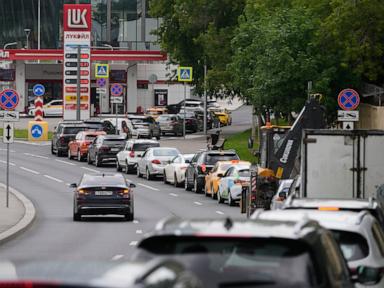
You can only ignore the black smoke for so long. For months, the Kremlin shrugged off Ukrainian drone strikes as minor nuisances, but the reality has finally caught up with Moscow. Lines are growing at petrol stations across Russia, and the frustration is getting hard to hide. Vladimir Putin even had to admit publicly that the country is facing a deficit of fuel.
It turns out that flying explosives into the heart of an economy's energy infrastructure actually does some damage.
This isn't just a minor blip or a temporary supply chain hiccup. More than 50 Ukrainian attacks since late March have systematically battered Russian oil refineries, depots, and terminals. The results are stark. By June, Russia's crude oil processing plummeted by 25% compared to last year, dropping to 3.95 million barrels per day. That's the lowest level the country has seen in over two decades. If you think that's bad, look at gasoline production alone—it dropped 17% to roughly 850,000 barrels per day.
The strategy behind Kyiv's drone campaign is working. It's aiming directly at Russia’s economic underbelly to choke military logistics and force Moscow to the negotiating table. Now, the reality of a summer fuel crisis is hitting regular citizens from the edge of Europe all the way to Siberia.
The Logistics Nightmare of Moving Missing Fuel
The biggest misconception right now is that Russia has completely run out of oil. It hasn't. The issue is that the refining capacity is broken, and what fuel is left is sitting in the wrong places. Expert estimates suggest around one-third of Russia's refining capacity is currently offline.
Think about the sheer geography of the world's largest country. When a drone strike knocks out a massive facility like the Moscow Oil Refinery—which handles 40% of the capital region's fuel—you can't just flip a switch to bring in gasoline from a plant thousands of miles away in Siberia. The Moscow refinery was hit twice recently, and industry sources confirm it's going to stay offline for at least six months.
Moving fuel across 11 time zones is a massive logistics operation. It takes weeks to coordinate rail cars and tankers to redirect supplies to depleted regions. Meanwhile, local gas stations are running dry, prompting panic-buying and hoarding. By late June, some form of fuel rationing rolled out in over half of Russia's regions. Some areas have put strict 40-liter limits per vehicle, while others have seen individual chains restrict sales entirely.
Squeezing the Farms and Cities
The timing couldn't be worse for the Russian economy. High summer means the agricultural harvest season is in full swing. Tractors and harvesters eat up massive amounts of diesel, and if the farms don't get fuel, food production stalls.
But the pain isn't isolated to rural farming hubs. Even in places where no drones have flown, the ripple effects are heavy:
- In the Siberian region of Zabaykalye, trash collection services had to be suspended because haulers couldn't secure fuel.
- Bus lines in multiple cities have been cut back.
- Irkutsk had to hike public transport fares specifically to cover skyrocketing fuel costs.
Sanctions Make Fixing Refineries Nearly Impossible
If you're wondering why Russia doesn't just fix the broken distillation towers, the answer comes down to Western sanctions.
Modern oil refineries aren't just blocks of steel and pipes. They rely on highly specialized, high-tech components, many of which are historically sourced from European or American engineering firms. Because of strict trade bans, obtaining these replacement parts means navigating complex, expensive, and slow black-market smuggling routes.
You can't patch up a highly pressurized cracking unit with basic local substitutes. Industry analysts point out that while Russian engineers are trying to rig workarounds, they aren't hitting full capacity. The structural damage is simply too widespread. Refineries like the Tuapse plant on the Black Sea have been hit four times in just a couple of weeks. Managers face a depressing reality: why spend millions evading sanctions to fix a piece of equipment when another drone might destroy it next Tuesday?
As long as the sky remains open to long-range Ukrainian drones, major refining hubs will stay crippled. Analysts are already warning that Russia won't get back to its normal winter levels of refining this summer. Some facilities won't even be worth touching until a formal ceasefire happens.
Total Export Bans and Turning to Imports
The Kremlin's emergency response tells you everything you need to know about how desperate the situation is getting. Moscow already restricted the export of gasoline and aviation fuel to protect domestic consumers. Now, Deputy Prime Minister Alexander Novak noted that the government is openly weighing a complete ban on diesel exports too.
Taking Russian diesel off the global market is a massive gamble that hurts their own tax revenues, but they don't have a choice. They need to keep Russian drivers from rioting.
Even wilder is the admission by Kremlin spokesman Dmitry Peskov that Russia is currently negotiating fuel imports from foreign countries. The world's primary energy powerhouse is looking to buy gasoline from neighbors just to stabilize its domestic market and stop panic-buying. In occupied areas like Crimea, gasoline sales to the general public have basically been suspended, forcing authorities to scramble for emergency shipments.
Russian lawmakers have even quietly amended their tax code to allow lower-quality, dirtier fuel to be legally produced and distributed. They're lowering their own industrial standards just to keep wheels turning.
If you are tracking the economic impact of this war, stop looking exclusively at the front lines. Watch the gas stations. The immediate next step for anyone analyzing this crisis is to monitor whether Moscow goes through with the full diesel export ban and which specific countries step up to sell refined fuel back to Russia. If the drone strikes continue through July, the rationing we're seeing now is going to look like the good old days.
How Ukrainian drone strikes triggered Russia’s fuel crisis
This video report highlights the ground-level reality of long petrol queues in Moscow and details how the government is rationing oil as the harvest season drives up demand.