When geopolitical flashpoints send global energy markets into a tailspin, shorthand narratives usually follow a predictable script. People assume that higher oil prices automatically translate into an unstoppable financial cushion for major petroleum exporters.
Yet reality rarely obeys clean equations. The conflict in Iran and the resulting spike in crude prices were supposed to rescue Moscow from a brewing fiscal squeeze. Instead, the much-hyped windfall has largely fizzled out, leaving structural vulnerabilities exposed.
If you look past the headlines about triple-digit oil benchmarks, you find an economic engine running hot in one sector while sputtering everywhere else. Let's break down why the expected cash cow didn't save the day.
The Mirage of High Energy Prices
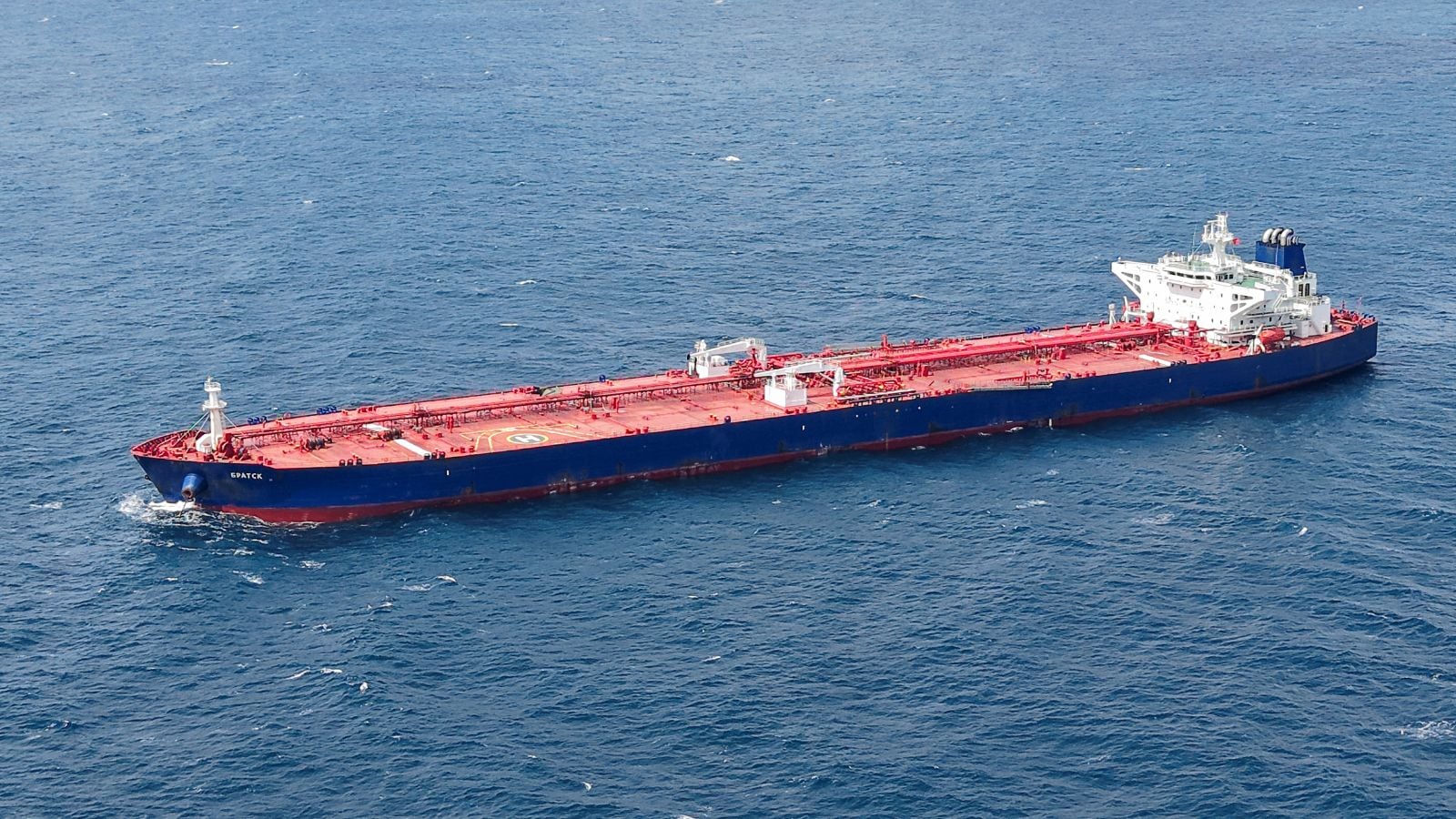
Global oil markets reacted violently when geopolitical tensions closed key shipping corridors in the Middle East. Brent crude climbed past one hundred dollars per barrel, and conventional wisdom suggested a massive influx of petrodollars heading straight for the Kremlin's coffers.
It didn't quite happen that way.
According to data from the Russian Finance Ministry, the actual budgetary gains fell wildly short of initial projections. While oil and gas revenues showed brief monthly bumps, over the broader span of the year, these earnings remained well below previous historical baselines. Why? A combination of targeted Western sanctions, shrinking export volumes, and the physical toll of precise drone strikes on domestic refineries ate heavily into export margins.
Much of the money generated by high prices didn't turn into free-flowing budget surpluses. Instead, a significant chunk went right back out the door as subsidies to domestic oil companies. Moscow needed those payouts to keep domestic fuel prices stable and prevent widespread panic at local gas stations.
The Two-Speed Reality at Home
Economists love talking about GDP growth figures, but averages conceal more than they reveal. The internal mechanics of the country reveal a starkly divided economic landscape.
On one side stands the military-industrial complex. Backed by endless state procurement contracts and prioritized state spending, defense plants operate around the clock. They pull in workers with high wages and keep headline manufacturing numbers looking deceptively healthy.
Step outside that military bubble, however, and the picture changes completely. Civilian manufacturing sectors face severe contractions. Small and medium-sized enterprises report widespread revenue drops, crushed by punishing interest rates, chronic labor shortages, and rising credit costs.
When interest rates stay high to combat stubborn inflation, borrowing money becomes a luxury most ordinary businesses cannot afford. Thousands of small firms close their doors every month because commercial conditions have turned hostile.
Shifting the Burden to Ordinary Citizens
When state revenues fall short of skyrocketing wartime expenses, governments have to find money somewhere. If oil windfalls underperform, the gap gets plugged closer to home.
Over the past year, authorities raised the value-added tax and introduced aggressive levies that directly target consumer spending and corporate balance sheets. Rather than relying strictly on the bounty of natural resources, the fiscal strategy shifted toward squeezing domestic consumption.
This creates a slow-burning domestic squeeze. Everyday citizens absorb the cost through higher prices at the checkout counter and an increased tax burden, even as real household purchasing power stagnates. State spending continues to outpace actual income, pushing budget deficits wider as the year progresses.
What This Means Moving Forward
The common mistake is viewing large economies through an all-or-nothing lens. Observers often ask whether a system is on the verge of total collapse or miraculous recovery. Most of the time, the truth sits in a messy middle ground.
An economic structure can limp along for years, sustaining high-priority state objectives while the broader population deals with creeping stagnation, high inflation, and declining living standards. The energy windfall from the Middle East conflict provided a temporary distraction, but it failed to alter the underlying trajectory.
The structural deficits remain. The domestic tax pressures continue to mount. The long-term health of non-military sectors keeps deteriorating under the weight of high interest rates and isolation.
Expect the friction between high state spending and civilian economic contraction to define financial reality for the foreseeable future. Watch the domestic tax policies and small business mortality rates rather than international oil spot prices if you want a true read on where things stand.