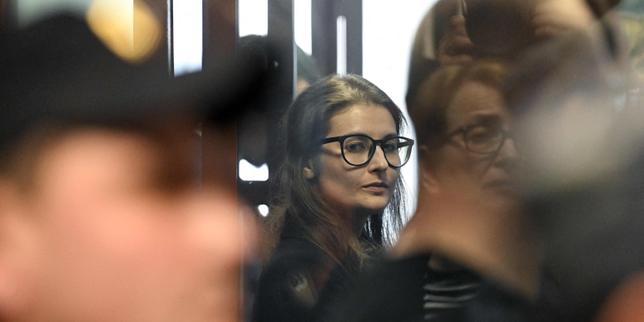
Russia just sent a clear, terrifying message to anyone still thinking about dissent. A court in Saint Petersburg handed down prison sentences that feel like something out of a dark historical novel, but they're happening right now in 2026. Six young activists from the Vesna (Spring) movement are heading to penal colonies for years. Their crime? They didn't want a war. They didn't want their peers dying in Ukraine.
I've watched the Russian legal system tighten its grip for years, but this particular case highlights a new level of desperation from the Kremlin. It isn't just about stopping protests anymore. It’s about total erasure of the youth movement. If you’re following international human rights or just care about the state of global democracy, you need to understand why Vesna was such a threat to the status quo.
The Harsh Reality of the Vesna Sentences
The numbers are staggering. We're looking at sentences ranging from five to nine years. For young people in their early twenties, that’s effectively their entire youth stolen. Valentin Khoroshenin and Vasily Neustroyev are among those facing the longest stretches.
They weren't caught with weapons. They weren't plotting violent overthrows. The prosecution’s case leaned heavily on "extremism" and "discrediting the army." In Putin's Russia, those terms are catch-all nets designed to scoop up anyone with a Telegram channel or a stack of flyers.
The court didn't care about due process. Honestly, the hearings felt like a formality from day one. Defense lawyers faced constant roadblocks, and the evidence presented was often flimsy at best. One of the biggest mistakes people make when looking at these cases is assuming Russian law functions like Western systems. It doesn't. The verdict was written long before the judge sat down.
Why Vesna Became the Kremlin's Public Enemy Number One
Vesna wasn't just another group of kids with signs. They were smart, organized, and remarkably resilient. They grew out of student movements and understood how to use social media in a way the old guard in Moscow couldn't grasp.
They focused on direct action. Think about the anti-mobilization protests in late 2022. Vesna was the backbone of those movements. They gave people a reason to hit the streets when everything felt hopeless. That’s why the state reacted with such extreme violence. If you can mobilize the youth, you’ve got a chance at real change. Putin knows that better than anyone.
The state’s strategy here is simple. Kill the movement by decapitating it. By locking away the leaders, they hope to scare every other student in Saint Petersburg and Moscow into silence. They want parents to tell their kids to keep their heads down. And for a lot of people, it’s working.
The Cost of Anti-War Activism in 2026
The climate in Russia right now is suffocating. I've spoken with activists who fled, and their stories are all the same. It’s a constant state of paranoia. You're watching your back. You're checking your phone for spyware. You're wondering if your neighbor is a snitch.
The Vesna six are now icons of a struggle that most Russians are too scared to join. The prison conditions they'll face are notoriously brutal. We’re talking about old Soviet-style colonies where medical care is a luxury and labor is mandatory.
It’s easy for us to sit back and read about these sentences, but we have to recognize the personal toll. Families are being torn apart. These young people had lives, careers, and futures that are now on hold for a decade. All because they said "no" to a war that’s draining their country’s soul.
International Reactions and Why They Fall Short
The UN and various human rights groups have condemned the sentences. That’s great for a press release, but it does nothing for Vasily or Valentin. The Russian government has completely insulated itself from Western criticism. They don't care about being called "undemocratic" anymore. They wear it like a badge of honor.
Sanctions haven't stopped the crackdown either. If anything, the isolation has given the hardliners in the Kremlin more power. They've created a siege mentality where any internal dissent is labeled as "foreign interference." It’s a classic authoritarian playbook.
What This Means for the Future of Dissent
If you think the Russian opposition is dead, you're only half right. The formal structures are gone. Navalny is dead. Vesna is being crushed. But the sentiment hasn't disappeared. It’s just gone underground.
People are finding new ways to talk. They're using encrypted apps. They're sharing information through art and music. The state can't police every thought. But the price of being caught is higher than it’s been in forty years.
What’s next? Probably more of the same. More "extremism" trials. More "foreign agent" labels. The Kremlin is betting that they can outlast the anger. They're betting that the world will eventually get bored of these stories.
We shouldn't let that happen. Every time a sentence like this is handed down, it needs to be documented. We need to remember the names of these six activists. They aren't just statistics. They're people who risked everything for a vision of their country that doesn't involve tanks and trenches.
The best thing you can do right now is stay informed and support organizations that help political prisoners in Russia. Groups like OVD-Info are still doing incredible work on the ground despite the risks. They need every bit of help they can get to provide legal aid and support for families. Don't let the silence of the Kremlin's walls be the only thing we hear. Pay attention. These sentences aren't just a Russian problem; they're a warning for what happens when the rule of law is replaced by the rule of fear.