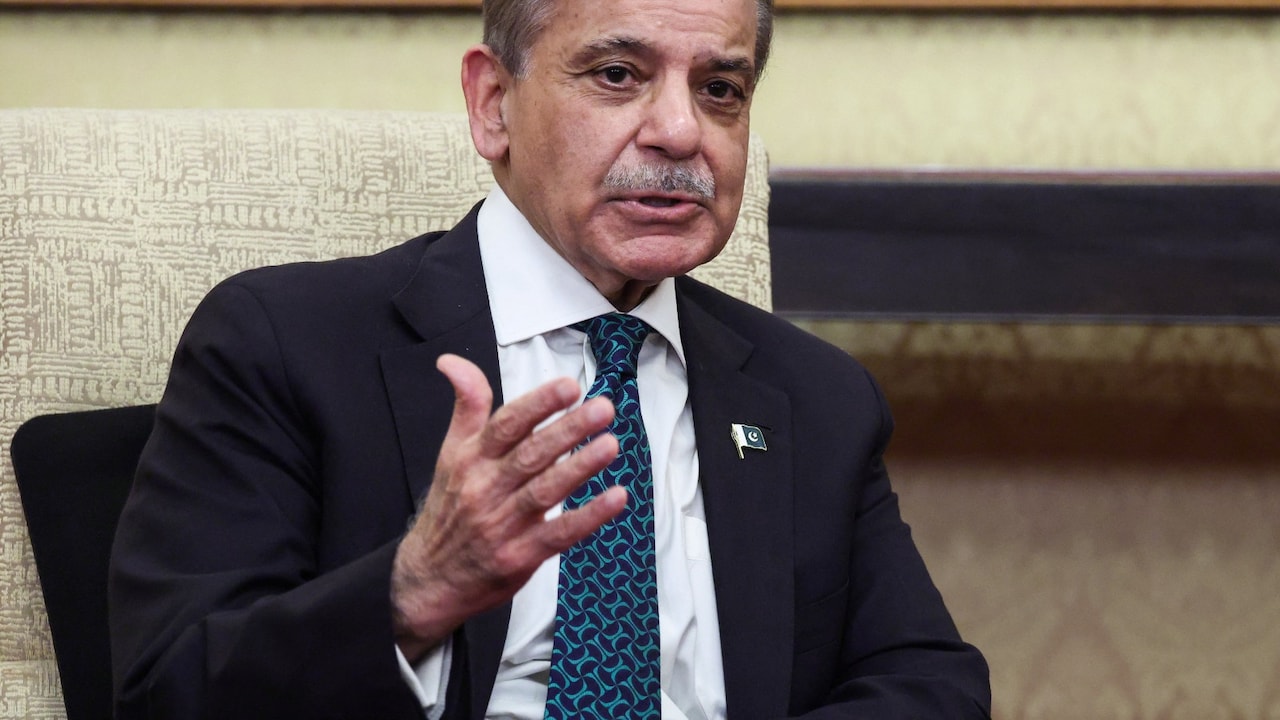
Don't let the sudden wave of optimism fool you. When Pakistani Prime Minister Shehbaz Sharif announced on X that a final, agreed-upon text for a US-Iran peace deal had been reached, the global reaction was a mix of shock and heavy skepticism. Wars that start with explosive force don't usually wind down with a tidy, diplomatic bow just months later. But here we are.
Islamabad has been hosting these high-level, backdoor talks since April, attempting to salvage regional stability after the conflict erupted in late February. Now, Sharif claims peace has never been this close. While the skeptical crowd dismisses this as diplomatic theater, the emerging details of the Islamabad Memorandum of Understanding show a gritty, practical framework that might actually work. It isn't a perfect treaty, but it tackles the immediate economic and security realities that both Washington and Tehran can no longer ignore.
What is Actually inside the Islamabad Memorandum
The rumor mill has been spinning out of control. Iranian state media outlets recently leaked a 14-point draft claiming Tehran would retain total control of the Strait of Hormuz while delaying talks on its nuclear program. US President Donald Trump immediately took to Truth Social to call those specific leaks fake news, warning Iran to get its act together.
The real deal, according to senior US administration officials speaking anonymously, is entirely performance-based. This isn't a diplomatic handout.
- Dismantling the Nuclear Infrastructure: Iran must destroy its enriched uranium on-site and physically remove key nuclear materials from the country.
- Strict Verification: The agreement institutes a highly intrusive inspection regime. A 60-day technical window opens immediately after signing to iron out the verification logistics.
- The Strait of Hormuz: The maritime blockade will be lifted, completely reopening the critical shipping lane to stabilize global energy markets.
- No Free Cash: Vice President JD Vance explicitly clarified that the US isn't handing over billions of dollars just for a signature or a meeting attendance.
The economic relief is heavily conditional. If Iran fulfills its core promises, it gets its frozen assets back in a phased rollout. If it slips up, the financial pressure returns instantly. It's a strict quid pro quo designed to withstand the intense political distrust on both sides.
Why Pakistan Cleared the Hurdles
Most analysts didn't expect Islamabad to pull this off. Pakistan shares a volatile border with Iran and maintains a complex defense relationship with Western powers, making it an unlikely neutral ground. Yet, that exact tightrope walk gave Pakistan the leverage it needed.
Sharif openly attacked what he called an incessant misinformation campaign designed to sabotage the peace deal. The stakes are incredibly high for Pakistan. A prolonged war on its western border threatens its own fragile economic recovery. By keeping the delegations hidden away in Islamabad since the April 8 ceasefire, Pakistani diplomats managed to isolate the core negotiators from the daily media storms in Washington and Tehran.
The Oil Market Reaction Predicts the Outcome
The stock market doesn't care about political grandstanding, but it cares deeply about shipping lanes. The moment Trump announced he had canceled imminent retaliatory airstrikes on Iran, global oil markets reacted violently.
Brent crude quickly plummeted toward $87 a barrel, wiping out weeks of war-driven price hikes. Traders are betting that the Strait of Hormuz will open up without further military friction. That economic reality is driving the political will behind the scenes. Trump wants to deliver lower energy prices to American consumers, and Tehran desperately needs an escape hatch from a collapsing domestic economy.
The Massive Roadblocks Ahead
Despite the breakthrough on the text, executing this pact will be a nightmare. Israel remains the wildest wildcard in the equation. Israeli Prime Minister Benjamin Netanyahu stated he is in full agreement with Trump regarding the ultimate goal of preventing a nuclear Iran, but domestic pressure in Israel to permanently cripple regional proxies is intense.
Just this week, Israel and Iran-backed Hezbollah exchanged heavy fire in southern Lebanon around Majdal Zoun. Ceasefires on paper rarely translate cleanly to the mud and rubble of active border zones. Hardliners within Iran's Islamic Revolutionary Guard Corps are also heavily resistant to destroying enriched uranium on-site, viewing it as a total capitulation.
Your Next Steps to Track This Story
This situation is moving fast, and the official signing ceremony could happen in Europe within days. To stay ahead of the curve and spot the real shifts from the media noise, focus your attention on these three indicators.
First, monitor the daily price action of Brent crude. If oil drops below $85, it means corporate shipping lines are actively preparing to send tankers through a peaceful Strait of Hormuz. Second, watch for official travel confirmations from Vice President JD Vance. A sudden trip to a neutral European capital like Geneva or Vienna means the final signatures are locked in. Finally, look for the official launch of the 60-day technical inspection window. The moment international inspectors get on the ground in Iran, you'll know the deal has moved past rhetoric and into absolute reality.


