Washington does not fly its top diplomat to a coastal Gujarat refinery out of sudden affection for heavy Venezuelan crude. It goes when domestic fuel prices bite, trade talks stall, and political leverage runs thin.
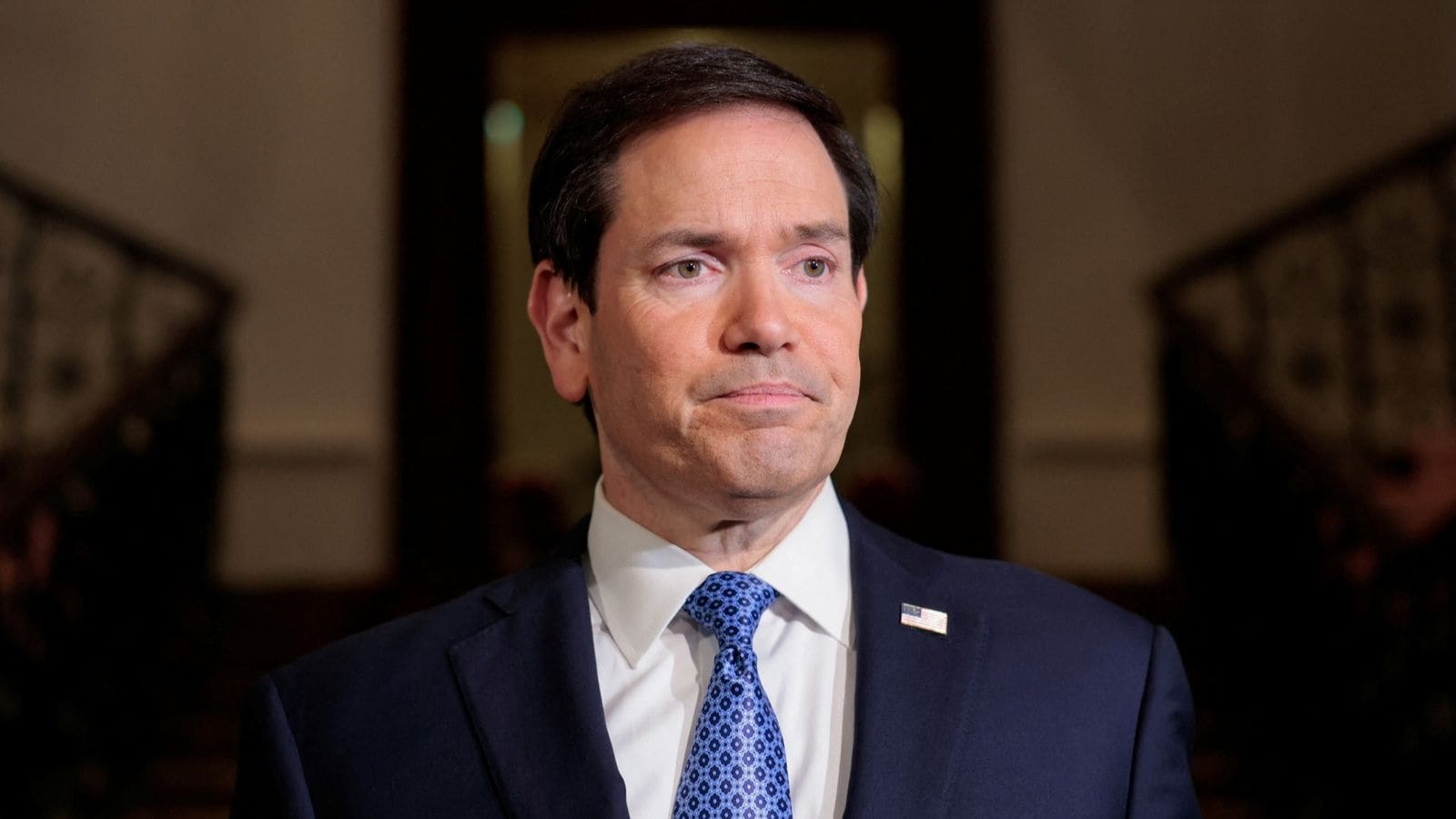
Standard coverage treats U.S. Secretary of State Marco Rubio's October 2026 trip to Reliance Industries' Jamnagar complex as a tidy energy story: Washington needs buyers for Venezuelan barrels, Jamnagar refines heavy oil, and Mukesh Ambani plays host. That reading is lazy. It mistakes a symptom for the mechanism.
The Lazy Consensus Around Jamnagar
Read the routine dispatches and you get three neat talking points. First, Jamnagar processes roughly 1.4 million barrels of crude a day, making it the largest single-site refining complex on earth. Second, its high complexity allows it to crack heavy, sour grades that simpler refineries reject. Third, the U.S. wants to steer buyers toward Western Hemisphere supply and away from discounted Russian barrels while edging closer to a trade deal with New Delhi.
None of that is false on paper. All of it misses the real constraint.
Heavy Venezuelan crude does not magically solve a global distillate squeeze or replace discounted Russian feedstock barrel for barrel. Even Rubio acknowledged that Venezuelan output alone cannot offset major supply disruptions elsewhere. Refining margin math, shipping distances, blending economics, and geopolitical risk premiums dictate what actually enters a coker or hydrocracker—not diplomatic press briefings.
Thought Experiment: Imagine a scenario where a refiner can buy discounted Russian barrels with manageable freight and clear margin spreads, or take heavy Venezuelan crude that requires tighter blending, longer haul times, and policy strings attached. A commercial operator does not turn down margin for applause. The operator prices the spread.
What Refining Complexity Actually Buys
In downstream oil and petrochemicals, outsiders worship "refining capacity" like a magic wand. People who have actually sat through refinery margin reviews know better. Crude slate flexibility matters—especially in complex facilities built to upgrade heavy, high-sulfur feedstocks into high-value fuels like diesel and petrochemical intermediates—but complexity is not free money.
I have watched industrial players burn tens of millions of dollars chasing "strategic" feedstock deals that looked brilliant in a diplomatic memo and bled cash on the actual crack spread. You cannot run a 1.4-million-barrel-per-day machine on slogans. Every shift in crude slate changes yield profiles, catalyst wear, hydrogen demand, and product slate balance.
| Factor | Lazy Headline Take | Commercial & Geopolitical Reality |
|---|---|---|
| Venezuelan crude | An easy drop-in replacement for other disrupted barrels. | Heavy grades help at the margin, but volume and economics cap the upside. |
| Russian oil discounts | A simple moral or diplomatic choice to drop. | A hard pricing and energy-security calculation for an import-heavy buyer. |
| U.S. diesel pressure | Solved by a single diplomatic handshake in Gujarat. | Driven by global refining balances, inventories, and freight—not photo ops. |
| Private conglomerate role | A passive counterparty taking orders from Washington. | A commercial powerhouse balancing state diplomacy, trade talks, and capital returns. |
Energy analysts at firms like Kpler and energy agencies such as the International Energy Agency have spent years hammering home a basic point that pundits keep forgetting: global oil flows are governed by netbacks, logistics, and risk pricing. When Washington suspends tariff pressure around Russian oil buyers while pushing trade negotiations and eyeing domestic diesel prices ahead of elections, the visit is about leverage across multiple chokepoints at once.
The Real Question Behind the Trip
People keep asking: Will Reliance swap Russian barrels for Venezuelan oil to help the U.S.?
That question gets the incentive structure backward. A private industrial giant does not wake up wanting to lose margin to fix someone else's election-season diesel headache. The sharper question is: What commercial, regulatory, or trade concessions make shifting crude slates and deepening U.S.-India energy ties worth the cost?
When a major refiner already takes the lion's share of a country's Venezuelan imports—as Reliance did in September 2026 according to Kpler data—the capability is already proven. Showing up at the gate is about signaling alignment, testing appetite for broader supply chains, and keeping trade momentum alive when negotiations hit friction.
There is a catch to taking a purely commercial, contrarian view of energy diplomacy, and I will own it plainly: pure market logic sometimes underestimates political shockwaves. Sanctions regimes, tariff shifts, and sudden maritime or supply disruptions can wipe out a neat margin spreadsheet overnight. A trader who ignores state power gets blindsided just as fast as a diplomat who ignores refining physics.
What Energy Buyers and Strategists Should Actually Do
Stop reading high-profile refinery visits as signed contracts. Treat them as term sheets in motion.
- Track netbacks, not speeches. Watch delivered crude differentials, freight rates, and diesel cracks rather than assuming a diplomatic visit locks in permanent volume shifts.
- Separate capacity from optionality. High-complexity refining gives a buyer options when markets tighten, but optionality still has to clear commercial hurdles every single month.
- Watch the trade and tariff linkage. Energy flows in U.S.-India talks rarely sit in a vacuum; tariff relief, broader trade terms, and fuel supply pressures move together.
Jamnagar is not a stage prop for a single crude grade. It is a pressure gauge on global fuel markets and commercial statecraft.