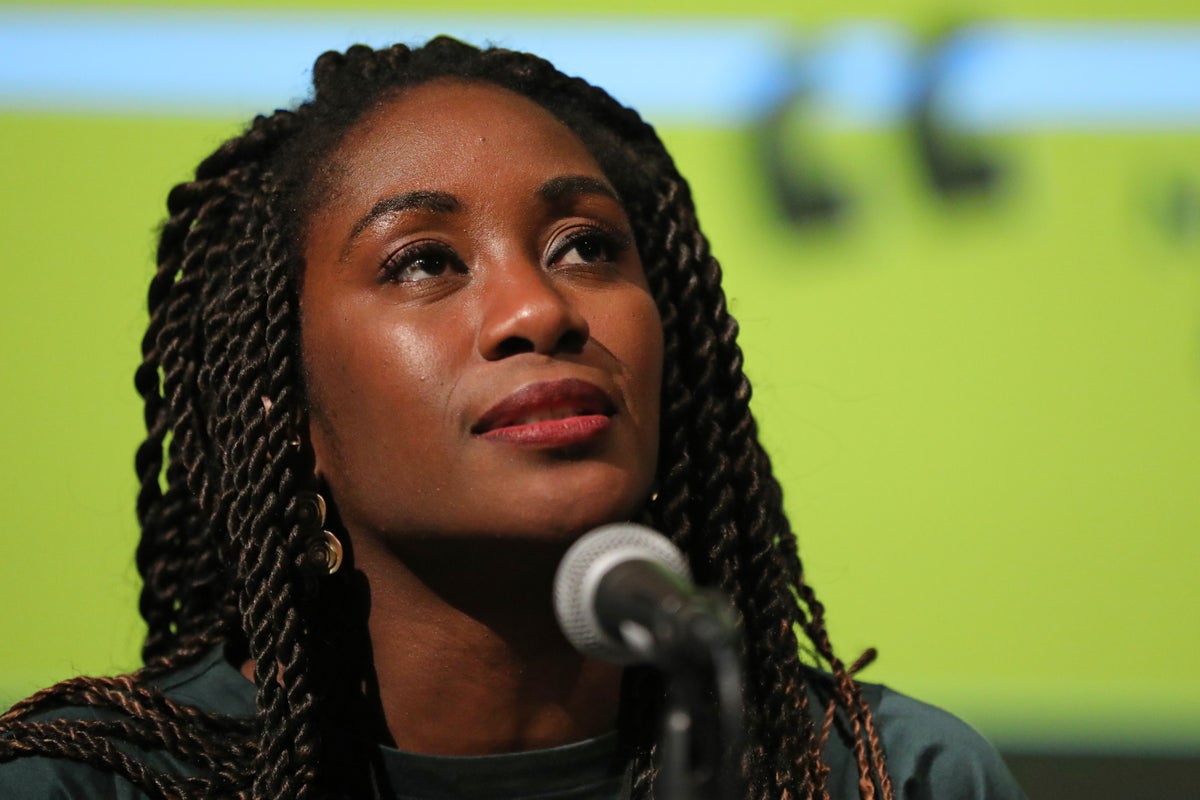
An independent arbitrator has ordered The Washington Post to immediately reinstate opinion columnist Karen Attiah, ruling that the newspaper wrongfully fired her over social media posts regarding the September 2025 killing of conservative activist Charlie Kirk. The binding decision, issued by arbitrator Sarah Miller Espinosa, concluded that the publication lacked good and sufficient cause for termination and violated its collective bargaining agreement with the Washington-Baltimore News Guild. Attiah, a prominent voice on race, culture, and global human rights, will receive full back pay and lost benefits.
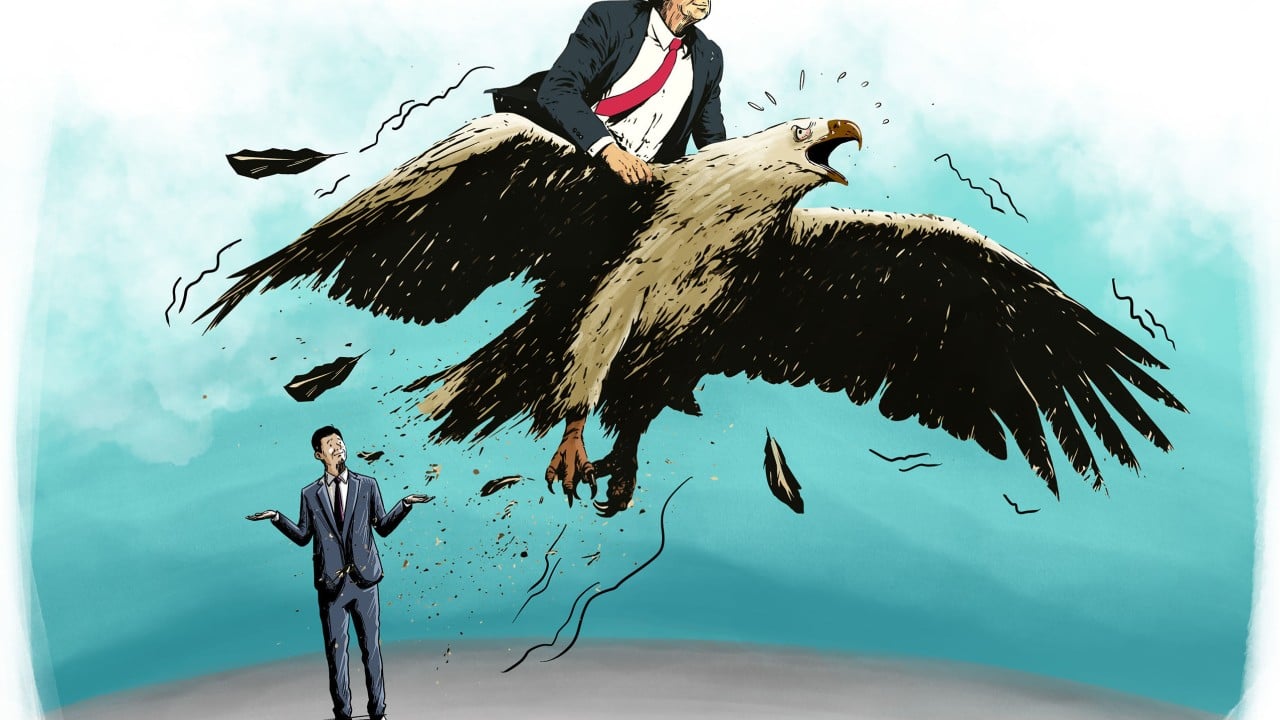
The ruling serves as a severe indictment of executive panic within major newsrooms. It lays bare how corporate media institutions often cave to external political pressure, sacrificing their own journalists to appease hostile mobs.
Anatomy of a Knee Jerk Dismissal
The timeline of Attiah’s firing exposes a terrifying lack of institutional backbone. On September 10, 2025, Charlie Kirk was shot and killed during a public appearance at Utah Valley University. Hours later, Attiah posted commentary to her Bluesky account addressing the public discourse surrounding the assassination.
She wrote about the cultural demand for performative mourning and the systemic protection afforded to public figures who espouse violent rhetoric. The reaction from management was swift and panicked.
Adam O’Neal, then the opinion editor of the Post, emailed human resources and executive leadership the following morning. He declared Attiah’s posts unacceptable for someone associated with the opinion section. Four hours after that initial complaint, top brass including then-publisher Will Lewis convened and decided to pull the trigger.
They did not launch a careful review. They did not weigh her decade-long tenure against a momentary expression of opinion. They folded. Frightened by external backlash and online threats directed at the building, leadership opted for administrative bloodletting.
The Fallacy of Security as a Pretext
The newspaper attempted a clever legal pivot during the arbitration hearings. Lawyers for the Post argued that Attiah’s posts created severe physical security risks for staff members, pointing to hostile comments and threats directed at the newsroom by angry readers.
Arbitrator Espinosa demolished this argument with surgical precision. Her ruling noted that management attempted to hold Attiah accountable for the criminal impulses of anonymous internet trolls.
To imply that the Grievant's posts were justifiable provocation for threatened criminal acts or that the Grievant's employment may be terminated for just cause because bad actors threatened The Post is unsupportable.
This distinction matters. If a media corporation can fire a writer simply because bad actors react violently to their words, investigative journalism ceases to exist. Accountability reporting inherently triggers anger. When executive suites confuse public hostility with employee misconduct, they hand a veto over editorial content to the most unhinged elements of the internet.
The Cost of Cowardice in the Newsroom
The fallout from this arbitration extends far beyond a single labor dispute. For months, the Post stood as a prime example of corporate media capitulation in a hyper-polarized political environment. Attiah was the last Black full-time member of the paper's opinion desk at the time of her termination. Her removal signaled to marginalized writers that their institutional protection had an expiration date, valid only until a powerful political faction demanded a sacrifice.
The National Association of Black Journalists warned at the time that the firing marked a dangerous erosion of diverse perspectives within mainstream media. When news organizations yield to pressure campaigns, they homogenize their output. They replace sharp, provocative critique with bland corporate safe-speak designed to offend no one and enlighten no one.
The legal victory, backed by the Washington-Baltimore News Guild and the Democracy Defenders Fund, restores more than just a paycheck and a title. It establishes a vital boundary line. Corporate boards cannot bypass union protections and employment contracts just because an opinion piece or social media post triggers a temporary Twitter storm.
Attiah stated that she is willing to return to the paper. Whether the executive leadership possesses the humility to welcome back one of their sharpest critics remains to be seen. What is certain is that the paper's attempt to rewrite the rules of employment accountability has collapsed under the weight of an independent arbitrator's scrutiny, leaving institutional cowardice exposed for the entire industry to examine.