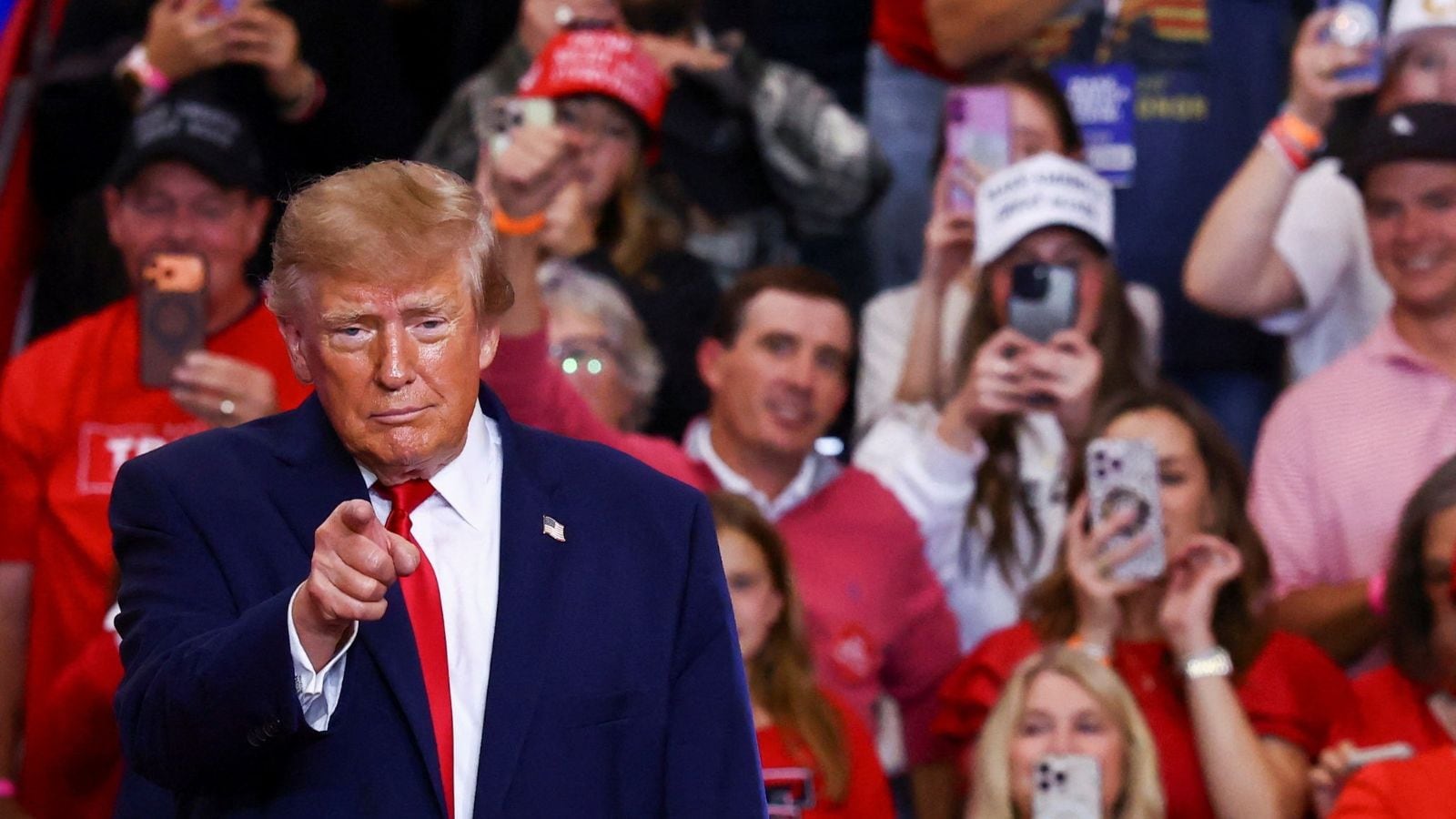
Voters delivered a sweeping rebuke to President Donald Trump in the November 2026 midterm elections, handing Democrats control of both the U.S. House of Representatives and the U.S. Senate on the back of the highest midterm turnout since 1914 outside of 2018. While morning-of headlines fixated on eastern polls opening and a routine presidential report card, the deeper reality was a broad voter revolt driven by pocketbook pain, tariff fallout, and an appetite for constitutional checks. Democrats flipped seats across once-formidable Republican territory—including Maine, Ohio, North Carolina, Mississippi, and Alaska in the Senate—while driving a decisive House wave.
Anyone who has covered American midterms over the last four decades knows that presidential scorecards rarely turn on a single speech or cable-news clip. They turn on math, fatigue, and kitchen-table arithmetic. In 2026, that arithmetic caught up with the White House fast.
Why Pocketbook Anger Overrode Map Math
Conventional wisdom going into November suggested that Republicans had built enough structural insulation to weather a modest off-year drag. The Senate map leaned heavily toward Republican-held seats—22 of the 35 contests on the ballot—and redistricting efforts in several states were designed to blunt Democratic gains in the House.
Instead, the electorate treated the election as a direct referendum on everyday costs. High fuel prices, stubborn grocery and health care expenses, and fresh upticks in inflation collided with voters' perception of Washington's trade policy. Unlike earlier cycles where voters struggled to trace price shifts back to specific executive actions, many households drew a straight line from tariffs and foreign conflict to what they paid at the pump and supermarket.
When a president's signature economic levers feel like a surcharge on basic living costs, gerrymandered cushions shrink quickly. Mapmakers can draw lines around past voting behavior, but they cannot lock in voter enthusiasm when household budgets tighten.
Turnout Surge and Coalitions That Shifted
One of the most striking features of the 2026 cycle was sheer participation. Roughly 49.1% of the voting-eligible population cast ballots—an extraordinary number for a midterm year. High turnout in off-year elections usually signals urgency rather than complacency, and this time that urgency broke heavily against the party in power.
Several demographic and geographic shifts stood out across the map:
- Urban and youth swings: Counties with larger shares of urban residents and younger voters moved sharply toward Democrats compared with the 2024 presidential contest.
- Suburban and swing-district erosion: Competitive House districts and long-held Republican seats—such as Indiana's 5th District, held by the GOP for more than three decades—flipped as Democratic vote totals held steady while Republican turnout sagged.
- Southern mobilization: Black voters in Southern states turned out forcefully following the Supreme Court's Callais decision weakening Voting Rights Act protections, turning legal and civil-rights grievances into ballot-box pressure.
Democrats did not win every single county or erase every Republican advantage. Rural turnout remained a counterweight in plenty of places, and analysts have rightly noted that relying on baseline racial or regional patterns without durable policy follow-through carries limits. Still, the coalition that showed up in November 2026 was broad enough to sweep both chambers of Congress.
Checks and Balances Became a Ballot Issue
For years, political strategists debated whether voters actually care about institutional norms or congressional oversight when eggs, gas, and rent are on their minds. The 2026 results suggest those priorities were not mutually exclusive. Roughly seven in ten voters said Congress was not doing enough to check the president, while concerns over government corruption and executive reach resonated across party lines.
Fights over mail voting, federal agencies, executive spending, and foreign policy—from Iran to the Caribbean—gave voters concrete reasons to view a Democratic Congress as a brake rather than a rubber stamp. Even disputes over election administration and confidence in vote counting shaped the climate around the ballot box.
| Metric or Factor | 2026 Midterm Signal | Practical Takeaway |
|---|---|---|
| Voter turnout | 49.1% of voting-eligible citizens | Off-year engagement reached near-historic highs, magnifying dissatisfaction with incumbents. |
| Senate outcome | Democrats flipped multiple seats, taking control | Defending a wider map failed when swing and battleground voters broke against the White House. |
| House outcome | Democrats won a decisive majority | Cost-of-living frustration and tariff backlash overwhelmed defensive map advantages. |
| Voter motivation | Cost of living, tariffs, and executive checks | Voters linked economic strain directly to policy while demanding stronger congressional oversight. |
What Divided Government Actually Means in Practice
Winning congressional majorities is one thing; turning those majorities into law is another. With Donald Trump still in the White House and holding the veto pen, incoming Democratic leaders face hard institutional limits. A two-thirds supermajority in both chambers is a steep climb for veto overrides, which means sweeping partisan bills on health care or campaign finance face steep odds without presidential buy-in.
Consider a hypothetical budget standoff next spring: even if House and Senate Democrats pass a domestic spending bill along party lines, a presidential veto forces a choice between negotiating compromises, risking a funding lapse, or conceding ground on appropriations. That is the unglamorous reality of divided government that campaign speeches rarely mention.
Where a new congressional majority does wield immediate power is oversight, subpoenas, committee investigations, and funding leverage. Expect aggressive scrutiny of executive actions, federal agencies, trade impacts, and ethics questions, paired with fierce battles over judicial and executive confirmations.
The Overlooked Fault Lines Ahead
Beneath the headline wave lie two quieter pressures that will shape American politics well past the post-election coverage cycle. First is economic anxiety around artificial intelligence and data centers: polling shows widespread worker concern over AI job displacement alongside sharp local pushback against energy- and water-heavy data center projects. Those anxieties cut across traditional left-right lines and do not fit neatly into standard campaign slogans.
Second is trust in the electoral process itself. Even when results are certified and turnout surges, deep divisions over election fairness and administrative rules linger among voters. A midterm wave can rearrange power on Capitol Hill overnight, yet rebuilding broad public confidence in how government works takes years of steady execution.
Watch how the incoming House and Senate prioritize everyday affordability bills against high-profile investigations—because voters who punished the White House over the cost of living will judge the new majority on whether anything actually gets cheaper.