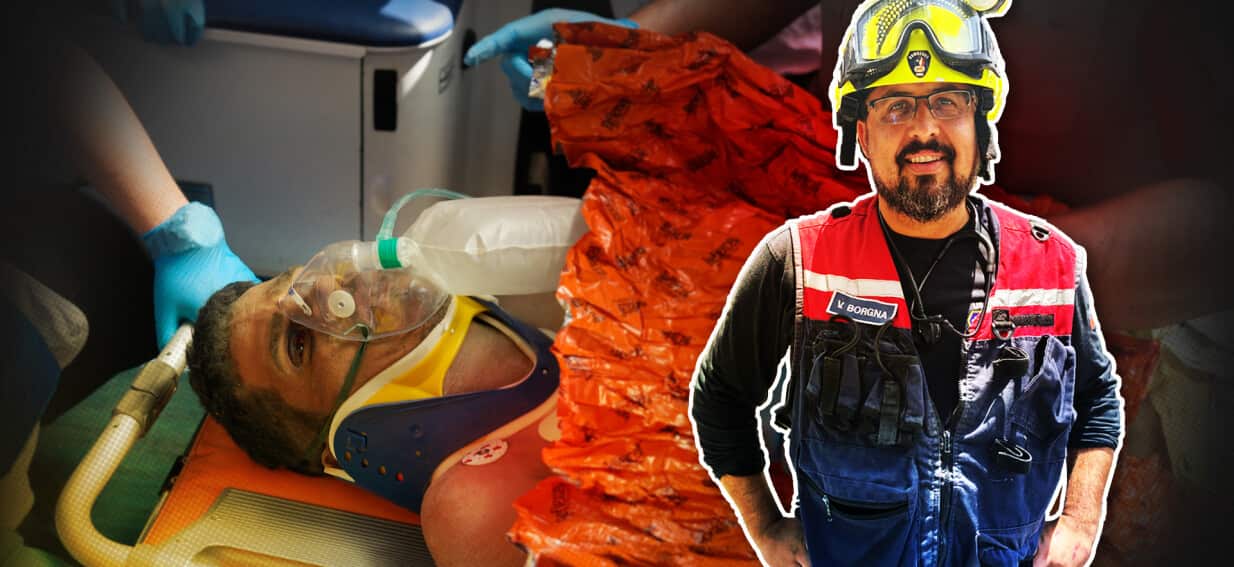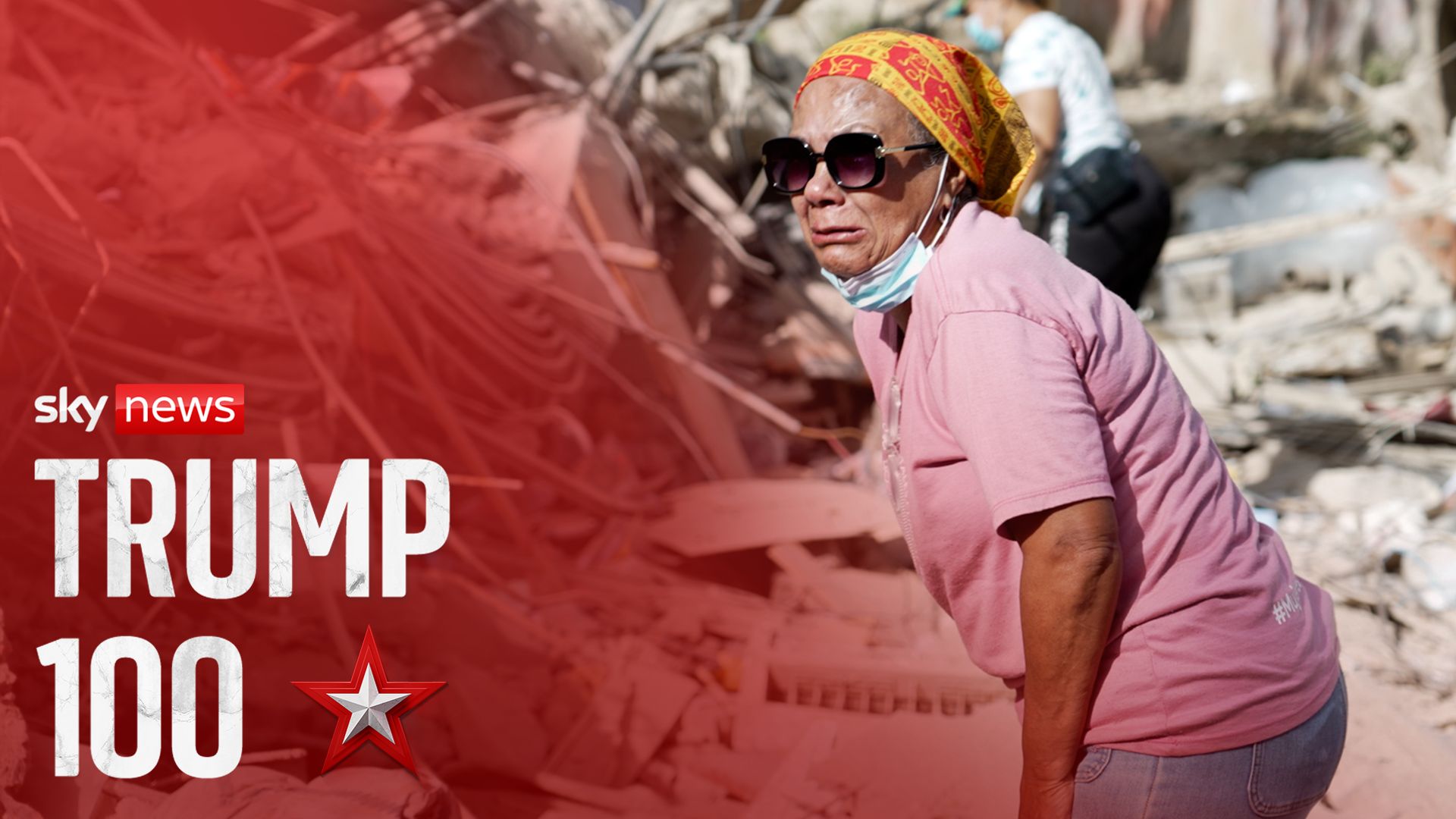
The devastating twin earthquakes that struck Venezuela on June 24, 2026, did not create a new humanitarian disaster. They merely stripped away the political theater to expose an ongoing societal collapse that has been accelerating for over a decade. While mainstream media accounts frame the tragedy as a sudden natural catastrophe, the catastrophic death toll and stalled rescue operations are the direct result of a hollowed-out infrastructure, a historic drain of skilled professionals, and a political transition that prioritizes cash flow over structural rehabilitation.
Venezuela is trapped in a fragile transition under interim President Delcy Rodríguez following the departure of Nicolás Maduro earlier this year. Though oil production has ticked upward, reaching over one million barrels per day through partnerships with foreign entities, the underlying state machinery remains utterly broken. Decades of institutional decay cannot be papered over with selective economic openings. When the ground shook, the failure of the state became lethal. Discover more on a similar subject: this related article.
The Illusion of Economic Recovery
Before the tremors destabilized the nation, official narratives pointed toward an economic turning point. Proponents of the current administration highlighted a projected four percent GDP growth for 2026 and a significant rise in domestic food production. The reality on the ground paints a vastly different picture for the average citizen.
Inflation continues to fluctuate at triple-digit levels, eroding the purchasing power of the national currency almost as fast as it can be printed. The gap between the official central bank exchange rate and the parallel market rate remains massive, leaving small businesses and families stranded in financial uncertainty. While a small elite profits from the influx of foreign currency tied to energy exports, over half of the population remains trapped in extreme poverty. Additional journalism by The Washington Post highlights similar perspectives on the subject.
The recent influx of oil revenue has not reached the public infrastructure. Hospitals lack basic medical supplies, antibiotics, and functional emergency equipment. Widespread power outages remain a daily reality across the interior of the country, leaving critical care units vulnerable even before the recent seismic activity. The state has effectively privatized survival, forcing families to rely on remittances from the nearly eight million Venezuelans living abroad to purchase basic necessities.
An Institutional Brain Drain Turned Lethal
The failure of the earthquake rescue efforts highlights an overlooked structural crisis. Venezuela lacks the human capital required to respond to a major emergency. Between 2017 and the beginning of 2026, the public sector lost up to half of its skilled personnel, including engineers, doctors, nurses, and emergency coordinators.
Over two hundred thousand teachers have left the education system, and a similar exodus has depleted the nation's civil defense and medical sectors. When buildings collapsed in La Guaira and Caracas, there were fewer trained hands to coordinate heavy machinery, fewer specialized trauma surgeons to treat the thousands of injured, and virtually no institutional memory to manage a large-scale disaster response.
The structural damage from the earthquakes is estimated by international bodies to be around 6.7 billion dollars. This financial burden is compounded by a total lack of localized emergency reserves. Public funds that should have been earmarked for disaster preparedness were historically mismanaged, redirected, or frozen due to international legal disputes. The result is a nation reliant on foreign rescue teams and emergency shipments for basic items like body bags and medical triage tents.
Adaptive Authoritarianism Under a New Face
The political transition of early 2026 raised hopes for international normalization, but the core structures of the authoritarian state remain firmly in place. The release of hundreds of political prisoners has been used as leverage to secure flexible licensing arrangements for energy exports, yet the underlying legal framework used to suppress political dissent remains untouched.
Independent media outlets operate under severe constraints, and electoral institutions lack any genuine autonomy. This tactical opening is designed to restore cash flow to the state treasury without introducing real accountability or institutional modernization. The government has focused its energy on rewriting mining and hydrocarbon laws to attract foreign capital, extending concession periods to thirty years and offering international arbitration to corporations.
This strategy creates a dangerous disconnect. The administration is highly responsive to the demands of international energy markets while remaining completely ineffective at delivering basic services to its own citizens. The response to the June earthquakes has laid bare this division, as state officials prioritize the security of oil installations while volunteer groups and international organizations struggle to deliver food and clean water to flattened communities.
The Limits of External Aid
Foreign intervention and international aid packages will not solve the underlying crisis. The United States has deployed military personnel and pledged hundreds of millions of dollars in emergency assistance, yet these temporary measures do not address the systemic institutional failure.
Sanctions and asset freezes have complicated the state's capacity to import specialized equipment, but a simple removal of these measures will not automatically rebuild a collapsed civil service. Rebuilding Venezuela requires an aggressive reinstitutionalization that goes far beyond cosmetic economic policy shifts.
The country stands at a critical juncture where it must choose between the stabilization of a reconfigured, corporate-friendly authoritarianism or a genuine return to democratic governance and public accountability. Until the state is rebuilt to serve its population rather than a select political and economic elite, every natural hazard will inevitably result in an unnatural disaster.