New York has recorded its first measles-linked child death in more than three decades, a preventable tragedy that exposes how localized drops in routine childhood immunization, delayed clinical recognition, and frayed public health infrastructure allow an eliminated virus to turn fatal again.
For over thirty years, public health officials in New York treated pediatric measles mortality as a historical artifact, something confined to medical textbooks and the pre-vaccine era of the mid-twentieth century. That streak is broken. When a child dies from a pathogen that the United States declared eliminated in 2000, the immediate instinct is to point fingers at a single neighborhood, a specific demographic, or an isolated cluster of vaccine refusal. That explanation is too convenient. It lets the broader healthcare and policy apparatus off the hook for a slow-motion systemic failure that has been building for years. For a different view, consider: this related article.
Measles is not a mild childhood rash. It is one of the most contagious human viruses ever identified, carrying a basic reproduction number between 12 and 18. To put that in perspective, one infected person in a completely susceptible population will infect up to eighteen others, making it roughly six times more transmissible than ancestral strains of SARS-CoV-2. The virus lingers in the air for up to two hours after an infected person leaves a room. Because of that extreme transmissibility, the mathematical threshold required to stop transmission—herd immunity—sits at roughly 95 percent coverage with two doses of the Measles, Mumps, and Rubella (MMR) vaccine.
Statewide averages hide the real danger. Health departments love to cite aggregate immunization rates hovering near 90 or 92 percent, numbers that look reassuring on a press release. Yet viruses do not care about statewide averages. They exploit pockets of vulnerability. When coverage inside a specific zip code, school district, or insular social network drops to 75 or 80 percent, the protective wall collapses completely. Once the virus enters that pocket, transmission becomes explosive, and the statistical probability of severe complications—pneumonia, acute encephalitis, and death—shifts from theoretical to inevitable. Further coverage on the subject has been provided by World Health Organization.
How the Virus Actually Kills
Most public coverage treats measles mortality as a vague, mysterious outcome. Clinically, the mechanism is brutal and well-documented. The measles virus does not merely cause fever and red spots; it systematically dismantles the body's defenses while attacking vital organs.
Respiratory Collapse and Secondary Infections
The leading cause of measles-related death in young children is pneumonia, either caused directly by the measles virus infiltrating lung tissue or by secondary bacterial invaders like Streptococcus pneumoniae taking advantage of damaged respiratory linings. The virus strips away the protective cilia in the airways, leaving the lungs defenseless against common pathogens that a healthy child would clear without effort.
Neurological Destruction
Roughly one in every 1,000 infected children develops acute encephalitis, a rapid swelling of the brain that can trigger seizures, permanent deafness, severe intellectual disability, or death within days of the rash appearing. Even more insidious is subacute sclerosing panencephalitis (SSPE), a rare, uniformly fatal degenerative brain disorder that strikes seven to ten years after a child appears to have fully recovered from an initial measles infection.
Immune Amnesia
Perhaps the most overlooked biological consequence of measles is what immunologists call immune amnesia. The virus directly infects and destroys memory B and T lymphocytes—the specialized white blood cells that remember how to fight off every pathogen a child has previously encountered or been vaccinated against. Studies have shown that measles can wipe out between 11 and 73 percent of a child's pre-existing antibody repertoire. A child might survive the acute measles infection, only to die months later from a routine case of influenza or bacterial pneumonia because their immune system has been reset to infancy.
The Structural Blind Spots Behind the Outbreak
Blaming parents who hesitate to vaccinate is the easiest narrative, yet decades of watching public health crises unfold prove that outbreaks rarely reach lethal thresholds without institutional blind spots. Three distinct failures converge whenever an eliminated disease resurfaces in a major metropolitan area.
First is the post-pandemic disruption of routine pediatric care. During the height of the COVID-19 lockdowns and the strained years that followed, millions of routine well-child visits were postponed or missed entirely. While affluent, well-insured families eventually caught up on their pediatric schedules, lower-income households, newly arrived migrant families, and communities facing language or transportation barriers fell behind. Pediatric clinics overwhelmed by staffing shortages struggled to run aggressive recall campaigns for missed MMR doses at 12 months and four years of age.
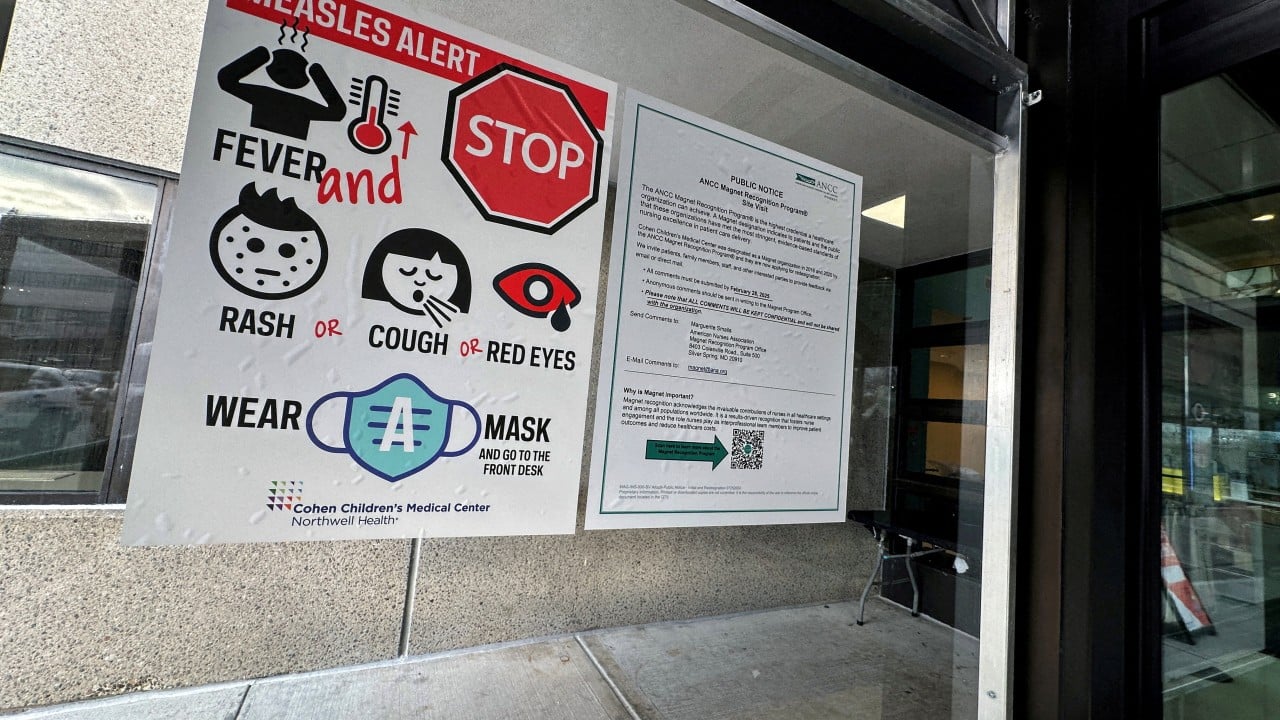
Second is the diagnostic blind spot inside modern emergency rooms and urgent care centers. Because measles was eliminated in the United States a quarter-century ago, an entire generation of emergency physicians, pediatricians, and triage nurses has never seen an active case in person. Early measles looks identical to dozens of benign viral illnesses: high fever, cough, runny nose, and red, watery eyes. By the time the classic maculopapular rash spreads from the hairline downward, the patient has already been contagious for four days. In a crowded waiting room, a missed diagnosis turns an urgent care clinic into a superspreader hub, exposing infants under twelve months old who are too young to receive their first routine MMR dose.
Third is the chronic underfunding of local contact tracing. Tracking a virus that stays airborne for two hours requires immediate, shoe-leather epidemiology. Public health investigators must identify every person who sat in a waiting room, rode a subway car, or attended a daycare within a two-hour window of an index case, verify their immunity status, and administer post-exposure prophylaxis—either the MMR vaccine within 72 hours or immune globulin within six days—before secondary chains ignite. When local health departments run on skeleton crews between emergencies, those critical 72-hour windows close before a single phone call is made.
Why Vaccine Policy Enforcement Keeps Stalling
New York technically maintains some of the strictest school immunization laws in the country. Following the massive 2018–2019 measles outbreaks that centered in Brooklyn and Rockland County and sickened more than 1,100 people across the state, lawmakers repealed non-medical religious exemptions for school attendance. On paper, that legislative move solved the problem.
In practice, enforcement remains uneven and fraught with loopholes. Medical exemptions require physician sign-off, yet state audits have repeatedly uncovered small numbers of practitioners willing to write questionable exemptions for cash fees. Meanwhile, children under school age—toddlers in informal home daycares, playgroups, and extended family networks—fall completely outside school mandate enforcement mechanisms. A hypothetical toddler living in a household with two unvaccinated older siblings who are homeschooled sits entirely outside the state's regulatory visibility until that child arrives at an emergency department in respiratory distress.
| Intervention Layer | Intended Protection | Where the System Breaks Down |
|---|---|---|
| Routine Pediatric Well-Visits | Administers first MMR dose at 12–15 months and second at 4–6 years. | Clinic staffing shortages, missed appointments, and lack of automated recall systems in underserved areas. |
| School Immunization Mandates | Enforces 95%+ coverage thresholds across public and private classrooms. | Excludes infants, toddlers in informal care, and homeschooled networks; vulnerable to fraudulent medical exemptions. |
| Hospital Infection Control | Isolates suspected cases immediately in negative-pressure rooms. | Clinicians unfamiliar with early symptoms leave contagious patients in shared waiting rooms for hours. |
| Local Contact Tracing | Delivers post-exposure prophylaxis within 72 hours to halt transmission chains. | Boom-and-bust public health funding leaves rapid-response teams understaffed when outbreaks begin. |
The Global Feedback Loop Nobody Watches
New York does not exist in an epidemiological vacuum. As one of the world's primary international transit hubs, the city absorbs millions of travelers every month from regions where measles remains endemic or where war, economic collapse, and healthcare disruption have cratered vaccination campaigns.
Global measles cases have surged dramatically over the past several years as international immunization coverage stagnated well below the 95 percent target. Every time an unvaccinated resident travels abroad and returns, or a visitor arrives incubating the virus, New York's local immunity barriers get tested. When those barriers hold, an imported case dies out after infecting zero or one person. When those barriers have holes, an imported spark hits dry tinder.
To acknowledge the full picture, public health authorities also face a genuine trust deficit of their own making. Heavy-handed messaging during recent public health emergencies alienated skeptical communities, turning routine pediatric medicine into a proxy war over personal autonomy and government overreach. Threatening fines or deploying confrontational rhetoric rarely persuades fearful parents; instead, it drives them further toward insular information ecosystems where misinformation about the MMR vaccine—specifically the long-debunked 1998 fraud linking the shot to autism—still circulates unchecked. Real persuasion happens in trusted exam rooms with local pediatricians who share the community's language and culture, not through state-issued ultimatums.
What Must Change Before the Outbreak Widens
Stopping an active measles outbreak from claiming another child's life requires abandoning passive surveillance and treating localized immunity gaps like the acute emergencies they are.
Health systems across New York must immediately deploy automated electronic health record prompts to flag every child over twelve months old without a documented MMR dose, pairing those alerts with mobile vaccination units and extended evening clinic hours in low-coverage zip codes. Hospital triage protocols need hardwired screening triggers—requiring immediate masking and airborne isolation for any febrile patient presenting with cough, conjunctivitis, and recent travel or potential exposure, before they ever sit down in a general waiting area.
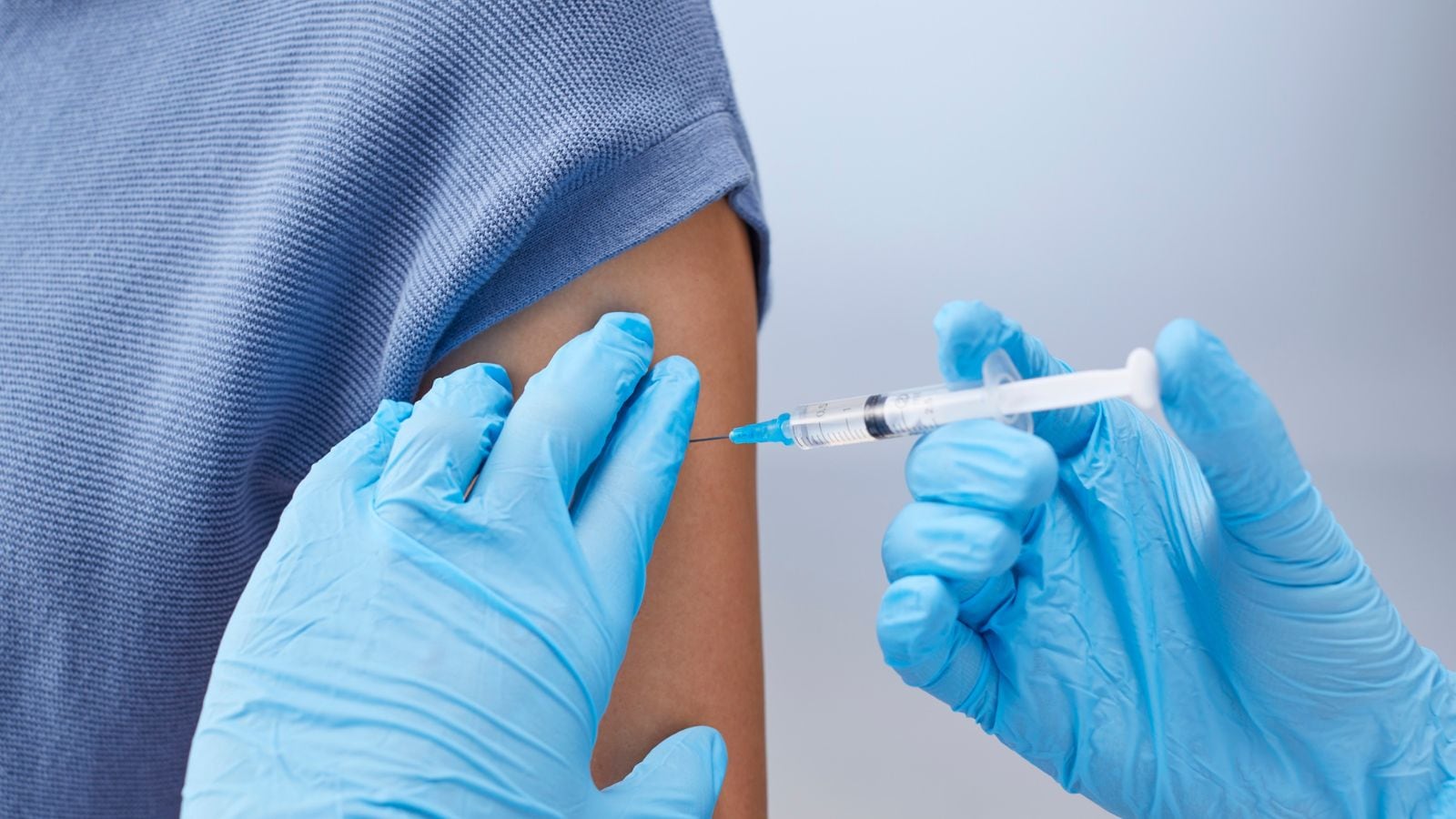
Two doses of the MMR vaccine provide roughly 97 percent lifelong protection against measles, an efficacy rate that almost no other medical intervention in human history can match. When a child dies from a disease we already possess the exact tools to eradicate, the failure does not belong to science—it belongs to the institutions and adults who let the shield drop.