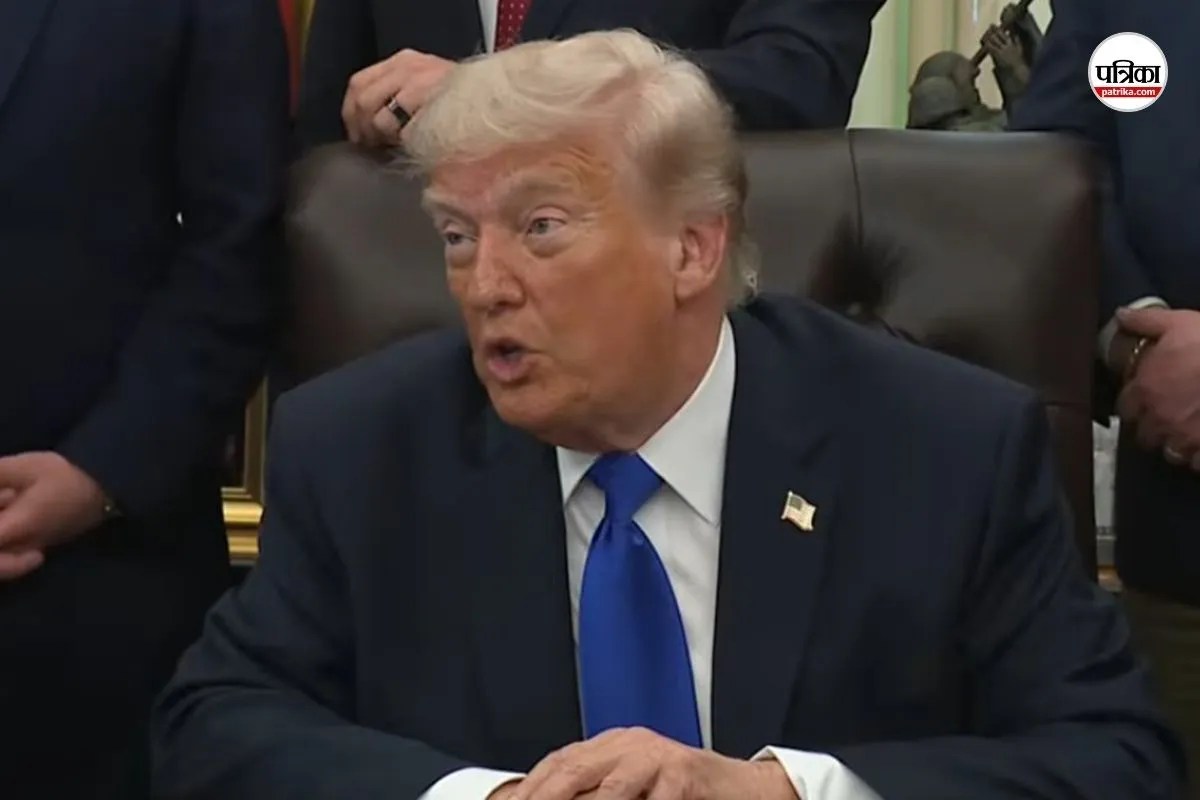
Donald Trump doesn’t do traditional diplomacy. He does deals. And right now, the deal he’s chasing in Beijing is arguably the biggest gamble of his second term. As he touches down for his first state visit to China since 2017, the stakes aren't just about trade balances or soybean exports. We're looking at a messy, high-tension triangle involving a shooting war in Iran, a precarious "truce" in the Taiwan Strait, and a global economy that’s been reeling from 145% tariffs.
If you think this is just another photo op at the Forbidden City, you’re missing the subtext. Trump isn't going there to play nice; he's going because he needs a win to distract from the strategic friction in the Middle East. Xi Jinping, meanwhile, is playing the long game, waiting to see if he can turn Trump’s desire for a "big, fat hug" into a permanent shift in how the U.S. handles Taiwan.
The Iran Problem Nobody Expected
The summit was supposed to happen months ago. It got delayed because the U.S. was busy dealing with the fallout of strikes on Iran. Now, the conflict in the Middle East is the elephant in the room. China is Iran’s biggest customer, buying nearly 90% of its oil. Every time the U.S. squeezes Tehran, it pinches Beijing’s energy supply.
Trump wants Xi to use that leverage. He wants China to force Iran back to the table and reopen the Strait of Hormuz. But why would Xi help for free? Beijing has already started issuing "blocking orders," telling its companies to ignore U.S. sanctions on Chinese refineries. Honestly, it’s a game of chicken. Trump is betting that China values global trade stability more than its friendship with a battered Iran. I’m not so sure. Xi knows that as long as the U.S. is bogged down in the Middle East, it has less energy to focus on the Pacific.
Taiwan as a Bargaining Chip
This is where things get genuinely uncomfortable for Taipei. For decades, the U.S. has maintained "strategic ambiguity." We say we "do not support" Taiwan's independence. It’s a delicate linguistic dance. But word on the street is that Xi is pushing Trump to change that language to "opposes" independence.
That’s not just semantics; it’s a tectonic shift.
- The $14 Billion Question: Trump is sitting on a massive arms package for Taiwan. Does he sign off on it, or does he hold it back to secure a better trade deal?
- The Reagan Assurances: If Trump bends on the "Six Assurances," he’ll face a revolt from hawks in his own party.
- Economic vs. Security: History shows Trump is willing to trade security commitments for economic concessions. He’s done it before, and Taiwan is terrified he'll do it again.
Trading Tariffs for a Board of Trade
The economy is the only area where both leaders actually want to find an exit ramp. After a brutal 2025 where tariffs spiked to insane levels, both sides are exhausted. The goal now is something called a "Board of Trade."
Basically, this would be a joint body designed to keep essential goods flowing even when the two countries are screaming at each other over spies or semiconductors. Trump wants China to buy massive amounts of American aircraft and agriculture. He needs those numbers to look good for the midterms. Xi wants the U.S. to stop blocking high-end AI chips.
It’s a classic "you give, I take" scenario. But the reality is that the U.S. has already sanctioned five Chinese refiners just this month. It’s hard to build a "Board of Trade" when you’re still slapping the other guy’s hand away from the cookie jar.
The Musk Factor and the Business Delegation
Look at who’s on the plane. You’ve got Elon Musk, Tim Cook, and the heads of BlackRock and Goldman Sachs. These aren't just guests; they’re the infrastructure of the deal. Musk, in particular, has massive interests in China that often run counter to D.C. hawkishness.
When you see Tim Cook and Elon Musk in the room, you know the talk isn't about human rights. It’s about supply chains and market access. Trump loves the validation of these "titans of industry," and Xi knows they are his best lobbyists in Washington. If this summit produces a "win," it’ll be because these guys hammered out the fine print while the presidents were busy with the Peking Opera.
What Happens Next
Don't expect a grand peace treaty. That’s not how this works. Instead, look for these specific indicators over the next 48 hours:
- The Mineral Truce: Watch for a formal extension of the deal that keeps Chinese rare earth minerals flowing to U.S. tech companies.
- The "Hug" Factor: Pay attention to the rhetoric. If Trump starts calling Xi a "great gentleman" again, it means a trade win is likely in the bag.
- The Taiwan Silence: If the post-summit briefing is suspiciously quiet on Taiwan, it means some very tense, unresolved arguments happened behind closed doors.
If you’re invested in the markets or just worried about the price of gas, keep your eyes on the Strait of Hormuz discussions. If Trump can’t get Xi to budge on Iran oil, the trade "peace" might be short-lived. This isn't the end of the U.S.-China rivalry; it's just a tactical pause to let both sides catch their breath.