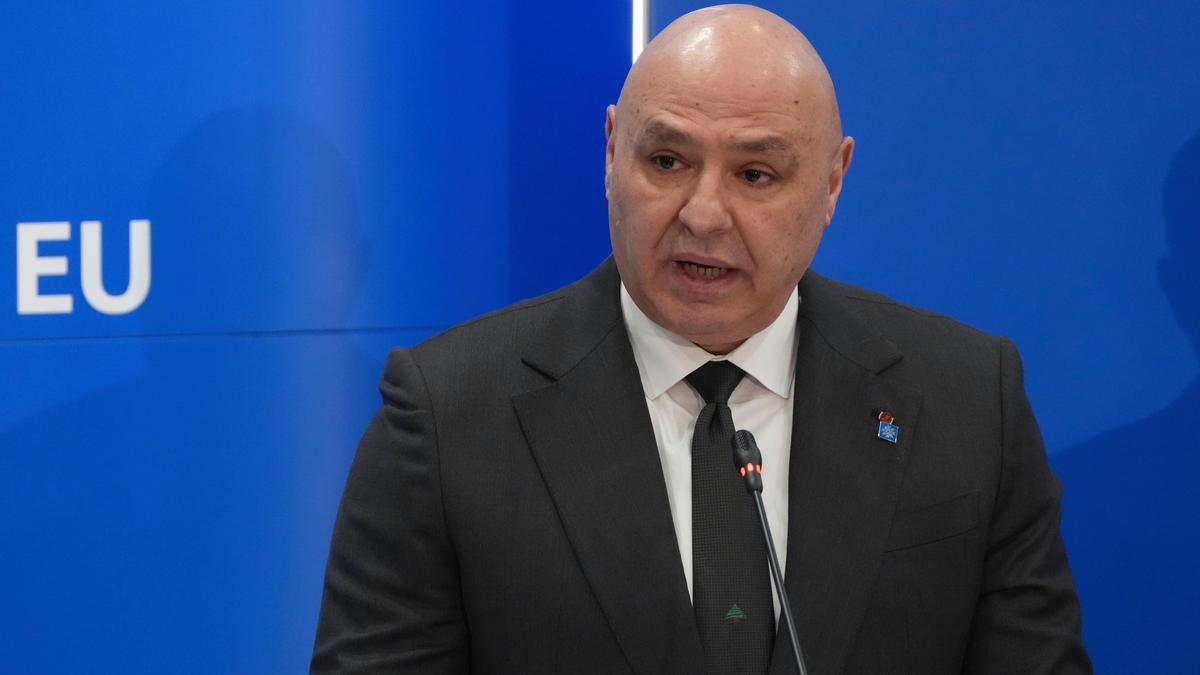
You can't have a negotiation while the bombs are still falling. That’s the blunt message from Lebanese President Joseph Aoun as he stares down a fragile, frequently broken ceasefire with Israel. It’s Wednesday, April 29, 2026, and the diplomatic air in Beirut is thick with a mix of exhaustion and stubbornness. Aoun isn't budging: Israel needs to stop the strikes entirely before anyone sits down for serious talks about the future.
The current situation is a mess of technicalities and tragedies. We’re supposed to be in a period of "cessation of hostilities" that began back on April 16. It was originally a ten-day window brokered by the U.S. and extended on April 23. But "cessation" is a strong word for what’s actually happening on the ground. Over the last 48 hours, Israeli strikes have killed more than 20 people in Lebanon. If you’re Joseph Aoun, you’re looking at those numbers and wondering what exactly is being "ceased."
The Deadlock in Beirut
Aoun’s stance is direct. He isn't interested in moving to the next phase of negotiations—which the U.S. is pushing for—until the current truce is "fully implemented." In a statement shared by the presidency, he made it clear that "Israeli attacks cannot continue as they are" if the world expects Lebanon to move toward a permanent security agreement.
It’s a classic chicken-and-egg problem. Israel wants Hezbollah disarmed and a guarantee of security on its northern border before it pulls back. Lebanon wants the sovereignty of its borders respected and an end to the "unprecedented" bombing campaigns that have defined this spring.
Let's look at the numbers. Since this latest escalation flared up on March 2, the toll has been staggering:
- 2,576 killed and nearly 8,000 wounded according to Lebanon’s Public Health Emergency Operations Center.
- More than 1.2 million people displaced.
- 25 hospitals damaged, with some forced to close entirely.
These aren't just statistics; they're the leverage being used at the bargaining table. But for the people in Sidon, Tyre, and the Bekaa Valley, they're just reasons to keep their bags packed.
The Trump Factor and the Pakistan Connection
The diplomacy here is weirdly tangled. Back on April 7, a ceasefire was brokered between the U.S., Israel, and Iran, with Pakistan playing a surprise role as a mediator. But there was immediate confusion. Iran and Pakistan said the deal included Lebanon. The U.S. and Israel said it didn't.
That confusion turned deadly on April 8 when Israel launched a massive wave of strikes—the largest since 1980—hitting over 100 targets in just ten minutes. That single day killed over 300 people. It sent a clear signal: Israel wasn't going to let Lebanon be a "tag-along" to an Iranian peace deal. They want a separate, specific agreement that addresses Hezbollah directly.
President Aoun has been trying to navigate this minefield since he took office in early 2025. He's a former army general, the fifth one to hold the presidency. He knows the military reality. He's even vowed that the Lebanese state should have a "monopoly on the carrying of arms." That's code for disarming Hezbollah, something Israel demands but which is politically explosive inside Lebanon.
The Washington Talks
On April 14, something happened that hadn't occurred since 1983: direct, high-level talks in Washington between Israeli and Lebanese representatives. Secretary of State Marco Rubio hosted the ambassadors. It felt like a breakthrough, but the momentum stalled almost instantly.
Israel keeps pushing for:
- Immediate disarmament of non-state groups (Hezbollah).
- A security zone that prevents any repeat of the March 2 incursions.
Lebanon’s counter-offer:
- A total and immediate end to Israeli strikes.
- Full withdrawal of Israeli forces.
- Full state sovereignty up to the international border.
What’s Actually Happening on the Ground
If you’re in Beirut right now, the "ceasefire" feels like a suggestion rather than a rule. Israel claims its strikes are responses to Hezbollah violations. Hezbollah says it's defending against Israeli aggression. In the middle is the Lebanese Army, led by a president who is trying to assert authority without a functioning economy or a unified political front.
The humanitarian crisis is the real story that the headlines often miss. The UN Flash Appeal for Lebanon is barely 22% funded. We're talking about 350,000 children who have been displaced in just the last six weeks. When Aoun says the strikes "cannot continue," he’s looking at a country that is physically and financially breaking apart.
Honestly, the "ten-day" extensions are a band-aid. They buy time for diplomats in Washington and Paris to trade phone calls, but they don't provide any sense of security for the people living in the south.
The Path Forward is Blocked by History
The only way out of this is through the United States setting a firm date for the next round of direct negotiations. Aoun is waiting for that date. But he’s also made it a condition that the skies stay clear.
You can't expect a state to negotiate its sovereignty while its infrastructure is being dismantled. Israel's "right to self-defense" is hitting a wall of international condemnation, with countries like Spain and France calling the strikes "indiscriminate" and "unacceptable."
For now, we’re in a holding pattern. The truce is a ghost. The negotiations are a hope. And the strikes, despite the "cessation of hostilities," are a daily reality.
If you want to understand where this goes next, stop looking at the maps and start looking at the diplomatic calendar. Until the U.S. can force a commitment from both sides that a "truce" means zero shots fired—not just fewer shots fired—the cycle of displacement and destruction will just keep spinning. Watch for the announcement of the next Washington summit; that's the only signal that matters now.