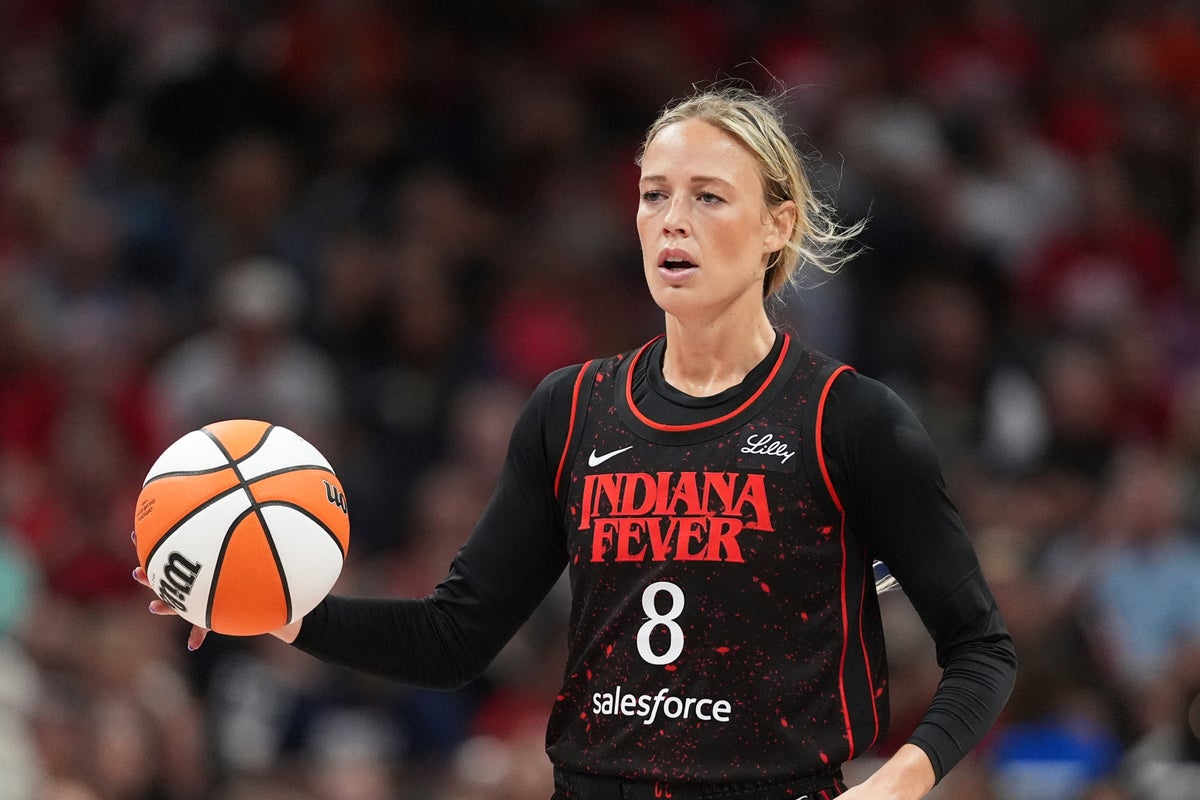
An Indiana man gets arrested for stalking WNBA star Sophie Cunningham, and the sports media apparatus immediately rolls out its standard, paint-by-numbers response script. We get the predictable hand-wringing. We get statements of "deep concern" from league executives. We get a sudden flurry of articles treating the situation like an isolated, bizarre anomaly born from the dark corners of the internet.
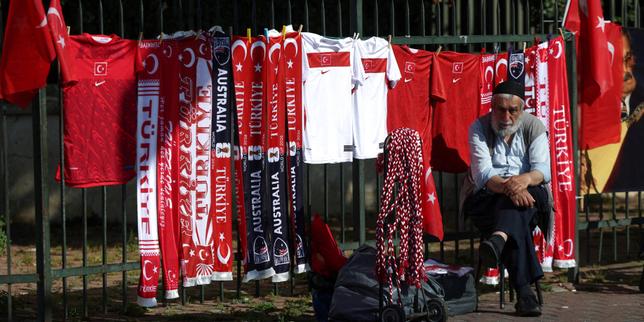
The mainstream sports press looks at this stalking case and asks: How did we let an individual creep get this close to an elite athlete? You might also find this related coverage interesting: The Brutal Truth Behind the Collapse of Turkish Football.
They are asking the wrong damn question.
The real question we should be asking is why a multi-million dollar professional sports league, riding an unprecedented wave of commercial growth and viewer engagement, is still relying on a security infrastructure that looks closer to a high school pep rally than a premier entertainment enterprise. As reported in recent coverage by ESPN, the effects are notable.
This isn't an isolated security breach. It is the predictable, mathematical consequence of a massive operational blind spot. The sports world spent the last three years obsessing over TV ratings, sneaker deals, and franchise valuations while completely failing to scale the physical protection of the players who generate that revenue.
The Valuation Delusion: Fans Are Not Just Viewers Anymore
For decades, the business model of women's professional basketball operated under a specific set of assumptions. Crowds were modest, media coverage was sporadic, and player-fan interactions were intimate by design. Accessibility was marketed as a feature, not a vulnerability. Players stayed after games to sign every autograph; they interacted directly with fans on social media to build grass-roots loyalty.
Then the economic paradigm shifted. Hard.
| Metric | The Old Era | The New Reality |
|---|---|---|
| Media Rights Value | Subsidized / Low Millions | Multi-Billion Dollar Packages |
| Arena Attendance | Lower bowls only, modest gate | Sold-out arenas, secondary market spikes |
| Digital Engagement | Niche communities, direct access | Global velocity, hyper-fixated fandoms |
When franchise valuations skyrocket and individual athletes become mainstream cultural icons, the nature of the fandom changes. You don't just inherit the casual viewers; you inherit the dark side of hyper-visibility.
I have spent years analyzing operational risk management in hyper-growth industries. When a tech company scales its user base by 10x, its cybersecurity budget doesn't stay flat. If it does, the system crashes. Yet, in professional sports, we expect athletes to navigate a 10x surge in public obsession while operating under security protocols designed for a niche regional product.
The Mechanics of Modern Parasocial Risk
Let's dissect what actually happened in the case involving Sophie Cunningham. According to court records, the harassment didn't start at the arena gates; it metastasized online through relentless digital tracking before manifesting as physical stalking at the Phoenix Mercury's practice facility and team hotel.
Mainstream analysis treats digital harassment and physical stalking as two separate buckets. This is a fundamental misunderstanding of threat assessment. In the modern era, they are a single, continuous pipeline.
The corporate sports structure remains fundamentally illiterate regarding modern parasocial dynamics. A parasocial relationship occurs when a viewer develops a one-sided sense of intimacy with a media figure. Because WNBA players have historically been highly accessible, modern, obsessive fans feel entitled to that same level of proximity, even as the scale of the league makes it physically impossible and dangerous.
When a league aggressively markets the personal lives, outfits, and daily routines of its athletes to drive engagement numbers, it inadvertently feeds the delusion of the obsessive stalker. The league reaps the financial rewards of that obsession but leaves the individual player to foot the bill for the fallout.
The Hard Truth: You cannot build a multi-billion dollar marketing machine around the personal brands of individual women and then act surprised when the most unstable segments of that audience show up at the team hotel.
Private Security vs. Public Optics
The corporate response to these incidents is always reactionary. A high-profile threat occurs, so the venue throws more local police officers at the tunnel or hires a few more contracted event guards to stand near the bench.
This is security theater. It exists to comfort the executives and the sponsors, not to protect the asset.
Contracted event staff—often paid barely above minimum wage—are trained to manage crowd flow and check bags. They are completely unequipped to identify, track, and mitigate targeted threats from sophisticated stalkers who cross state lines. True executive protection requires proactive intelligence, digital footprint monitoring, and dedicated, full-time security details assigned to specific athletes, not just generic building security.
Why hasn't this happened across the board? Because of a cynical calculation regarding overhead costs.
- The Franchise Excuse: Teams claim full-time personal security details for non-superstar players are cost-prohibitive within current operating margins.
- The Salary Cap Reality: Player salaries are capped, meaning athletes cannot easily afford to independently finance the level of elite, 24/7 private security required to insulate them from cross-state stalkers.
- The Accountability Gap: The league blames the venues, the venues blame local law enforcement, and local law enforcement treats stalking as a routine misdemeanor until it turns violent.
This creates a massive liability vacuum. The player is caught directly in the middle, forced to worry about her physical safety while trying to perform at an elite level.
The Failed Logic of "Just Ignore It"
For years, the unwritten advice given to public figures facing digital harassment was simple: Block them. Ignore it. Don't feed the trolls.
This advice is not just obsolete; it is actively dangerous.
In threat assessment, silence does not deter an obsessive stalker; it frequently escalates their behavior. When an individual's delusion is met with a wall of silence, they alter their tactics to force a reaction. They move from direct messages to public comments, from public comments to tracking travel itineraries, and from tracking itineraries to physically appearing at the workplace.
The competitor articles covering the Indiana case focus on the legal charges as if the system worked. The man was charged. Justice is being served.
Step away from the legal press releases and look at the timeline. The charging documents reveal months of escalating behavior before law enforcement finally intervened. That means the player lived in a state of hyper-vigilance for an extended period while the bureaucratic wheels turned. Relying on the criminal justice system as your primary line of defense isn't a strategy—it's a post-mortem.
Dismantling the Status Quo: The Uncomfortable Solution
If the sports industry wants to protect its growth, it has to stop treating player safety like an HR compliance issue and start treating it like a core capital requirement. This requires breaking several long-held conventions.
First, leagues must mandate and fund centralized threat-intelligence units. These units should operate globally, monitoring digital footprints, tracking escalating harassment patterns across all players, and interfacing directly with federal law enforcement before a stalker ever buys a plane ticket.
Second, the concept of team security must be completely separated from stadium security. A stadium security team cares about the stadium. They don't care about the player when she's at the grocery store, the airport, or a private workout facility. Dedicated, team-funded security personnel must accompany squads on all travel, managing logistics from the moment they leave their private residences to the moment they return.
The downside to this approach is obvious: it kills the myth of the hyper-accessible, small-town league that corporate sponsors love to market. It requires building a wall between the athletes and the public. It means fewer casual interactions, tighter controls, and an end to the era of the easily approachable athlete.
It is an uncomfortable, sterile reality. But it is the exact price of admission for entering the big leagues.
You cannot demand corporate valuations, prime-time television slots, and massive endorsement portfolios while maintaining the operational overhead of an amateur organization. If the business of women's sports is going to grow up, its security infrastructure needs to grow up with it. Stop waiting for a tragedy to justify the budget.