Big tech moves fast and breaks things. Sometimes, they break contracts too.
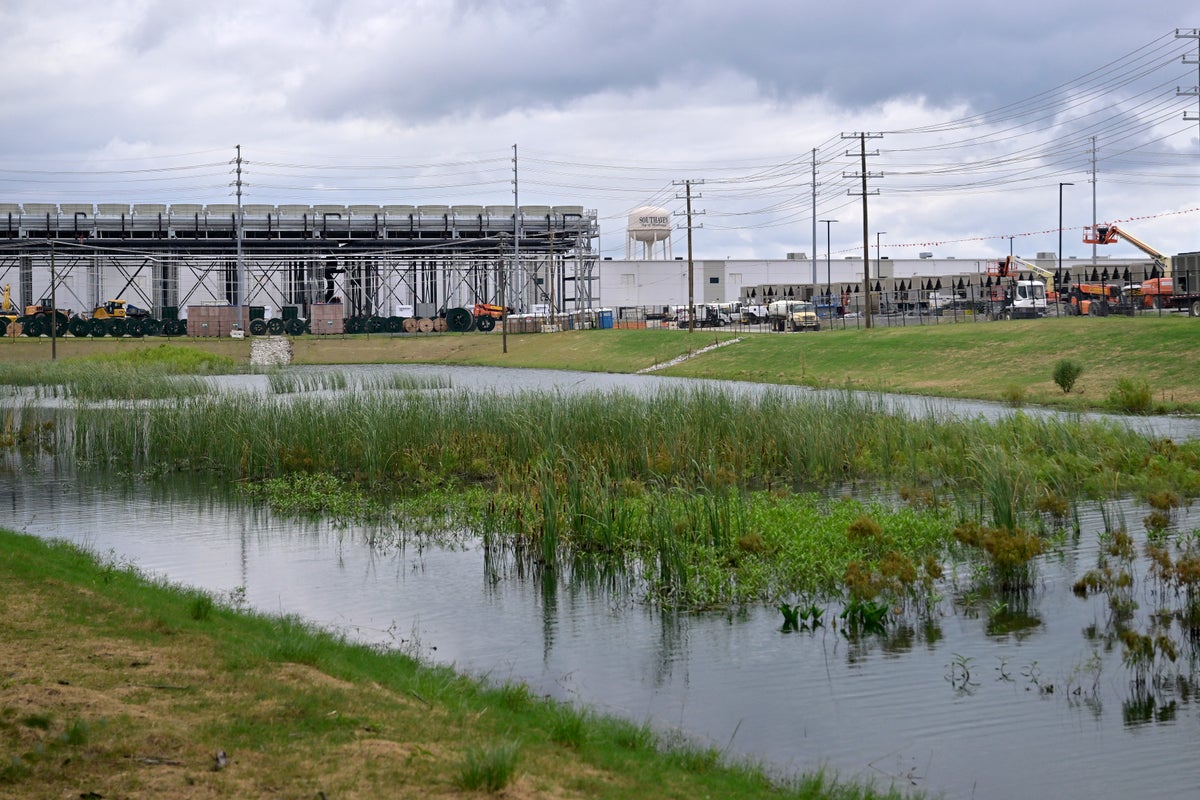
When a multi-billion dollar operation needs a massive data center built on an impossible timeline, they don't just call a local contractor. They bring in specialized firms equipped to handle astronomical logistics. But speed has a price. Right now, the bill has come due in a massive way. A specialized construction and engineering partner is suing for $432.5 million in unpaid wages and costs related to a lightning-fast data center build.
You won't hear Silicon Valley executives talk about this over coffee very often. Infrastructure takes muscle, sweat, and millions of dollars in raw materials. When companies skip proper compensation or drag out payments under the guise of corporate bureaucracy, construction partners suffer.
Let's look at why this dispute matters.
The Reality of Hyper-Speed Infrastructure
Building high-performance computing facilities is not like putting up an office park. You need specialized cooling, heavy electrical grids, and custom architecture. Deadlines are measured in weeks, not years.
When you demand that a workforce pull off the impossible, you accept certain financial obligations. You pay premium rates for overtime. You secure supply chains immediately. You fund the operation so the boots on the ground can actually do their jobs.
Companies promise the world during the pitch phase. They want immediate ground-breaking. They demand round-the-clock labor shifts. Contractors mobilize armies of workers because the client's reputation and financial backing feel secure.
Then the paperwork gets complicated.
Where Projects Go Wrong
Communication breaks down long before legal briefs get filed.
- Change orders pile up without signed approvals.
- Executives demand scope expansions while finance teams freeze invoices.
- Contractors absorb millions in upfront costs just to keep projects breathing.
Trust evaporates when bills remain unpaid for months. Small suppliers go under first. Larger prime contractors end up fronting the cash until their own credit lines max out. That is when lawyers step in.
Holding back hundreds of millions of dollars isn't a simple accounting error. It is a calculated power play. Big corporations know that smaller vendors often lack the legal war chest to fight a multi-year courtroom battle. They stall. They dispute line items. They wait for the plaintiff to settle for pennies on the dollar.
This specific $432.5 million lawsuit highlights a toxic pattern in modern project management. Treat your vendors like expendable line items until things go sideways.
Protecting Your Business From Bad Clients
If you run a contracting business, consulting firm, or service agency, this story should terrify you. It should also change how you write contracts today.
Never take a client at their word, no matter how famous their name is or how flashy their logo looks on your portfolio. Scale is not a substitute for solvency.
Enforce Strict Milestones
Split your billing into tight, non-negotiable milestones. If a client misses a payment window, tools drop. Work stops. You cannot afford to finance a giant corporation's expansion plan out of your own cash reserves.
Document Every Single Pivot
Clients love to change requirements mid-stream. They ask for extra servers, faster deployment, or upgraded security specs. Every time they ask for a change, make them sign a written amendment with a clear price tag attached. Do not rely on verbal agreements made in hallway chats or quick video calls.
Diversify Your Revenue
Never let one massive client account for more than thirty percent of your annual revenue. When a single whale controls your survival, they control your leverage. They know you cannot afford to walk away, so they dictate payment terms that crush your margins.
Moving Forward With Clear Eyes
The multi-million dollar dispute over data center labor costs serves as a wake-up call for the entire tech and construction ecosystem. Speed is seductive. Big-name clients look great on a slide deck.
At the end of the day, cash flow matters more than prestige.
Protect your team. Guard your balance sheet. Walk away from clients who treat payment schedules as optional suggestions.