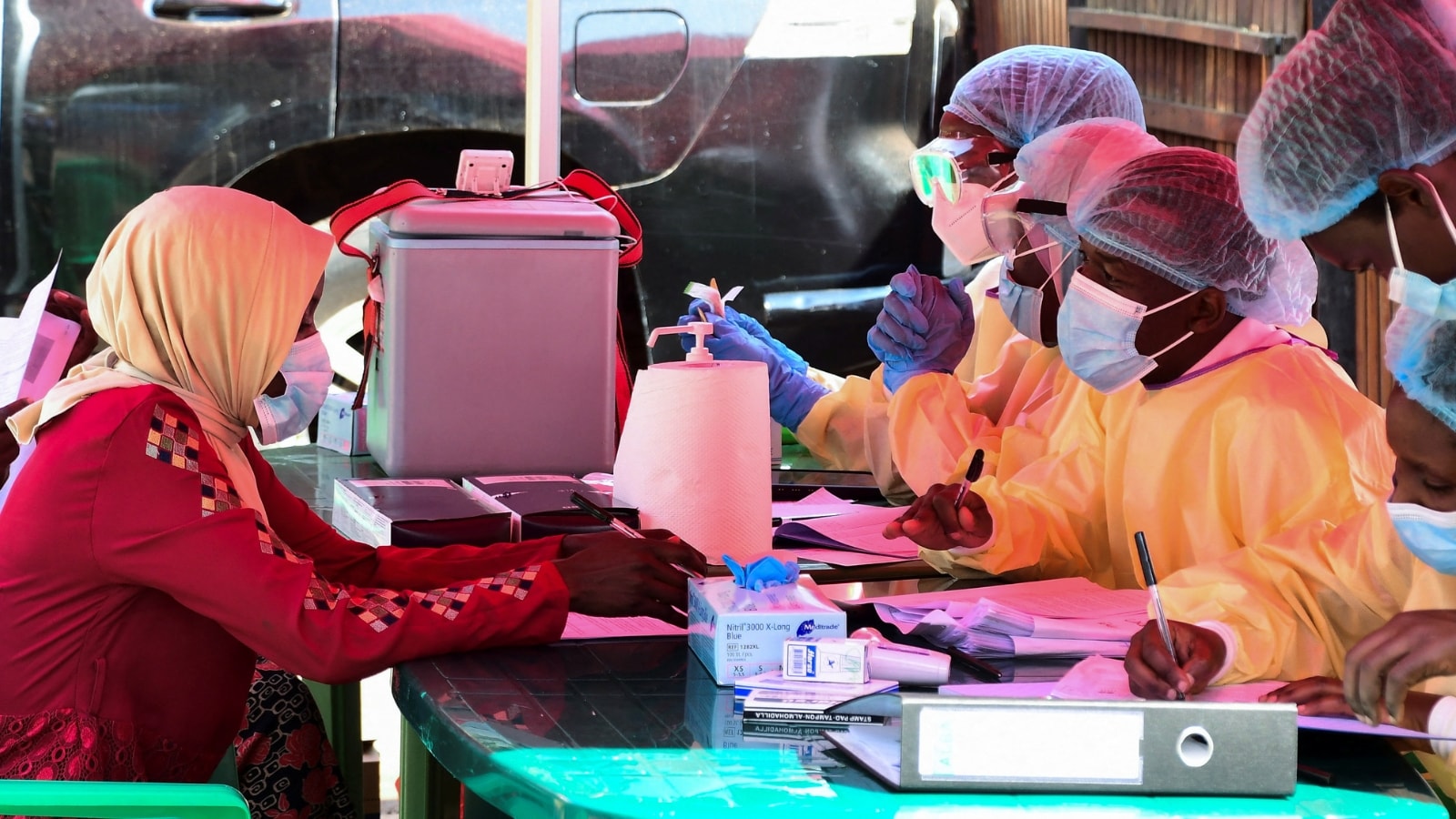
Public health officials in Berkshire have confirmed that a cluster of meningitis cases has emerged among students at two separate schools in Reading. The UK Health Security Agency (UKHSA) is currently managing the situation, which involves several individuals diagnosed with meningococcal disease. While the immediate risk to the wider community is often described as low, the simultaneous appearance of the infection in two educational settings has triggered an urgent distribution of antibiotics and a localized push for vaccine awareness.
This isn't just a localized medical incident. It is a stark reminder of how quickly bacterial meningitis can move through high-density environments like schools. When an outbreak occurs, the window for intervention is measured in hours, not days. The UKHSA has identified close contacts of the infected students to provide them with prophylactic antibiotics, a standard but critical move to break the chain of transmission. If you liked this article, you should look at: this related article.
The Reading Cluster and the Speed of Infection
Meningitis is an inflammation of the lining around the brain and spinal cord. It is a brutal, fast-moving condition. In the Reading cases, the specific strain and the connection between the two schools remain under investigation by health experts. However, the protocol remains the same regardless of the strain: identify the source and insulate the survivors.
The difficulty lies in the early symptoms. They are deceptive. A student might feel like they have a standard flu—fever, headache, and fatigue. By the time the classic "glass-test" rash appears, the bacteria may have already caused significant damage. In the current Reading outbreak, the focus is on "close contacts," which generally refers to people living in the same household or those who have had prolonged, direct exposure to respiratory secretions. For another look on this story, check out the latest coverage from Everyday Health.
Why Schools Remain the Primary Battleground
Education centers are breeding grounds for meningococcal bacteria because of how young people interact. They share drinks, they congregate in small rooms, and they lack the seasoned immune systems of older adults. The bacteria Neisseria meningitidis live harmlessly in the back of the throat for about 10% of the population. These people are "carriers." They don't get sick, but they can inadvertently pass the bacteria to a peer whose immune system isn't prepared to fight it off.
In Reading, the overlap between two schools suggests a social bridge that health officials are desperate to map. Whether it was a shared bus, a local hangout, or a joint sporting event, the movement of the bacteria highlights a gap in our defensive perimeter. We often assume that because a child is vaccinated, they are invincible. That is a dangerous simplification.
The Vaccine Gap and the False Sense of Security
The UK has one of the most comprehensive meningitis vaccination programs in the world. We use vaccines against MenB, MenACWY, and MenC. However, no vaccine is 100% effective, and coverage rates vary by region and demographic.
The MenACWY vaccine is typically given to teenagers in school. If a student misses that window or if their school has a lower-than-average uptake, the community's collective immunity dips. When we see cases popping up in Reading, we have to ask if the disruptions to school nursing programs over the last few years have left a quiet opening for these bacteria to return.
Furthermore, the MenB vaccine—which protects against the most common cause of bacterial meningitis in the UK—was only introduced to the routine infant schedule in 2015. This means many older students in Reading's secondary schools may not have been part of that initial rollout unless their parents paid for it privately. This creates a staggered immunity profile across a single classroom.
The Economic and Social Cost of a Local Outbreak
When a school is hit, the impact isn't just medical. It’s a logistical and emotional nightmare. Parents start pulling children out of classes. Rumors spread faster than the bacteria on social media. The cost to the NHS for each case of bacterial meningitis is immense, involving intensive care, long-term rehabilitation, and often, life-altering surgeries.
In the Reading instances, the UKHSA has been quick to issue letters to parents, but these letters often compete with misinformation found in WhatsApp groups. The technical language of "prophylaxis" and "chemoprophylaxis" can alienate a worried parent who just wants to know if their child is safe to go to gym class.
Spotting the Invisible Threat
We need to talk about the "Glass Test." It is the most famous diagnostic tool for meningitis, but it is also the most misunderstood. If you press a glass against a rash and it doesn't fade, you call an ambulance. However, waiting for that rash is a gamble. Many patients never develop the rash, or it appears only in the very final stages of the disease.
The Reading students who were hospitalized likely showed other signs first. Cold hands and feet, a stiff neck, and an intense dislike of bright lights are the real red flags. In a high-pressure school environment, these can be mistaken for exhaustion or a migraine. We have to train teachers and students to look for the "septic look"—a specific type of pallor and lethargy that signals the body is losing a fight.
Beyond the Reading Schools
This situation is a microcosm of a larger national trend. We are seeing a gradual resurgence in various bacterial infections as social behaviors return to pre-pandemic norms. The "immunity debt" is a debated topic, but the reality is that the bacteria didn't go away; they just had fewer opportunities to jump from host to host. Now, the doors are open.
The UKHSA is monitoring the Reading cases for any signs of a "super-strain," though there is currently no evidence to suggest this is anything other than a standard, albeit tragic, cluster. The goal now is containment.
The Necessity of Local Vigilance
Public health is often invisible until it fails. In Reading, the system is currently working—identifying cases, tracing contacts, and providing medication. But the system relies on the compliance of the public. If a parent ignores the letter from the health agency or if a student hides their symptoms to avoid missing an exam, the bacteria wins.
The Reading outbreak shouldn't be seen as a freak occurrence. It is a predictable consequence of how we live and how bacteria evolve. The focus must remain on high vaccine uptake and an uncompromising awareness of the symptoms.
Check the vaccination records stored in your red book or with your GP. If a teenager has missed their MenACWY booster, they are a sitting duck in a high-density school environment. The bacteria are waiting for a gap in the fence. Don't provide one.