Silence. That is the first thing that hits you when a family dinner turns toward money, not because anyone is angry, but because nobody knows what the rules actually are anymore.
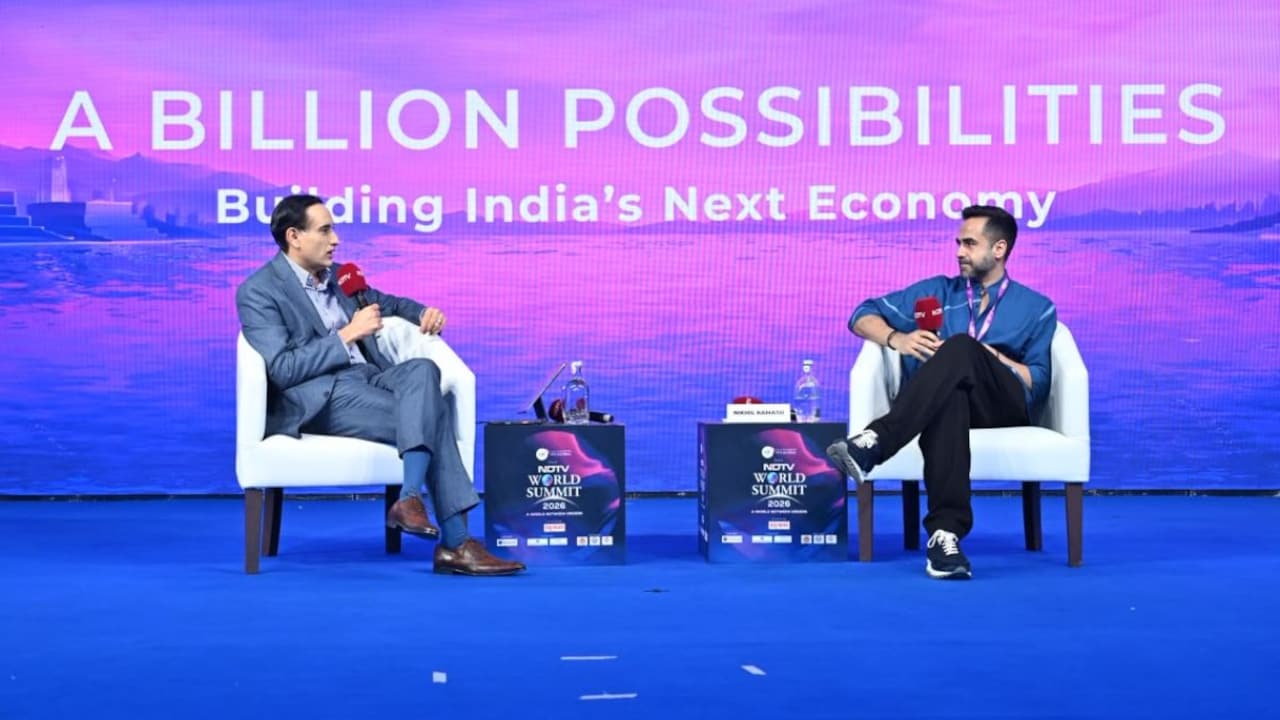
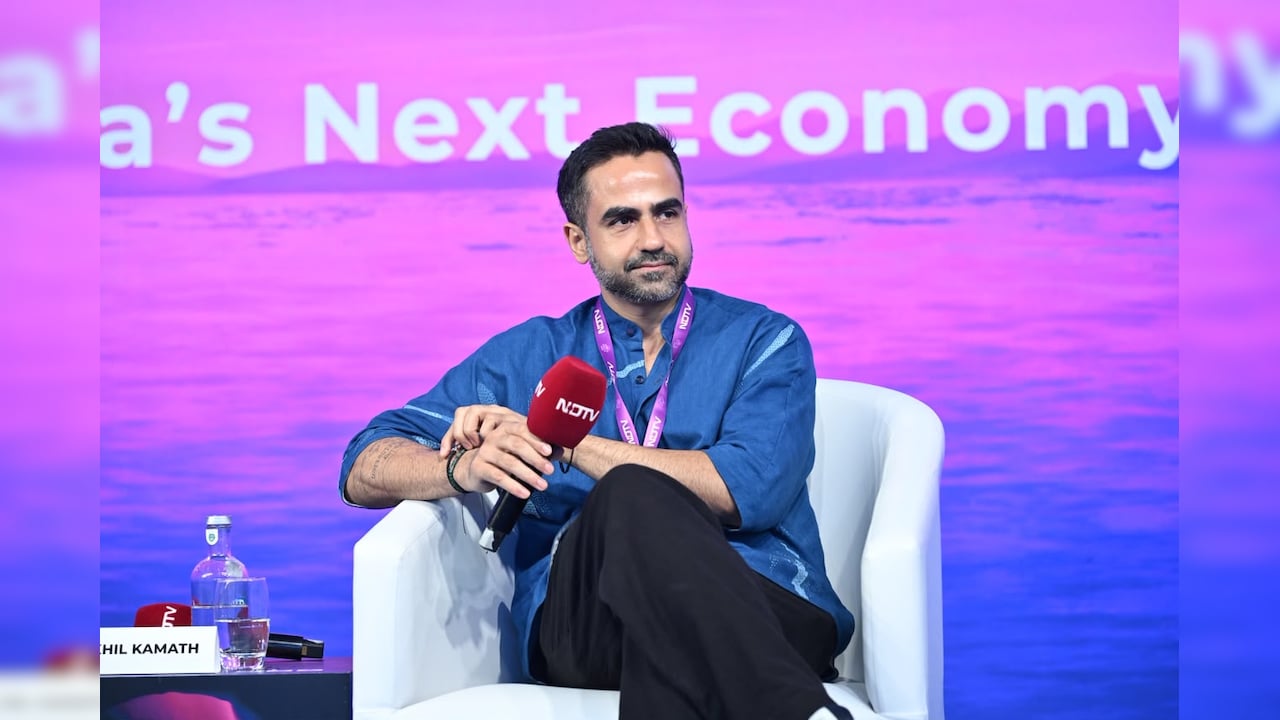
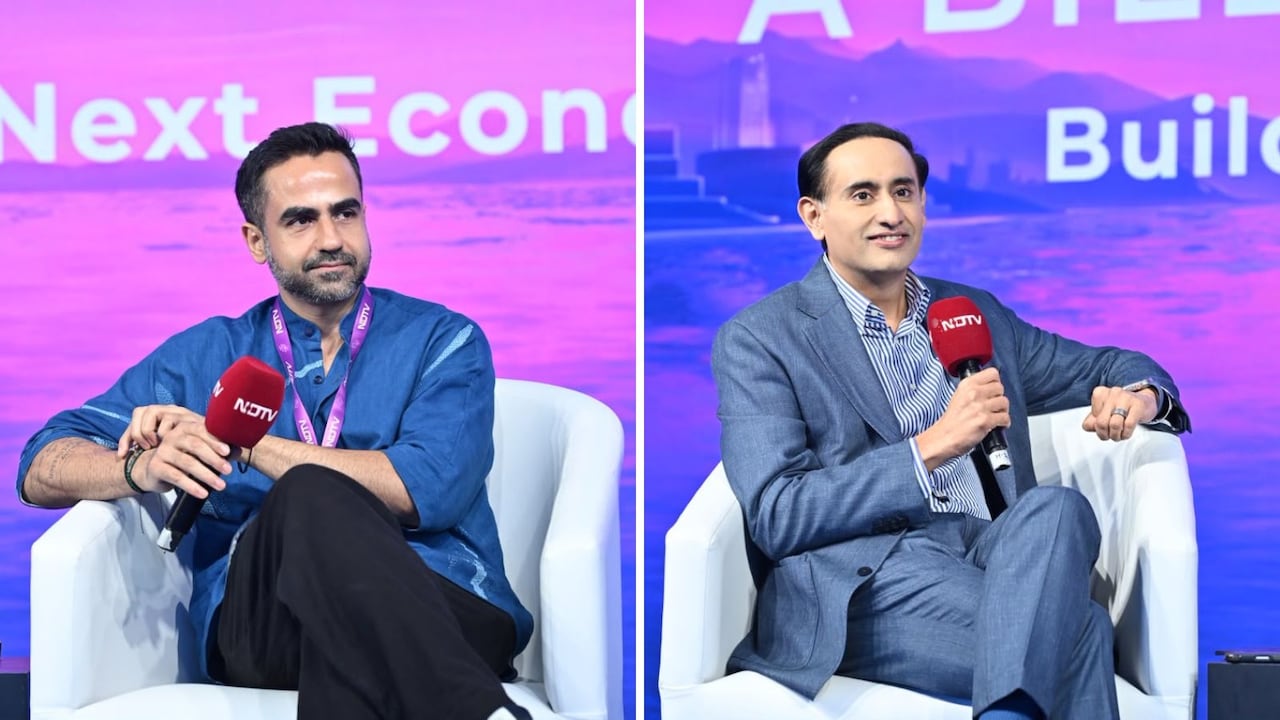
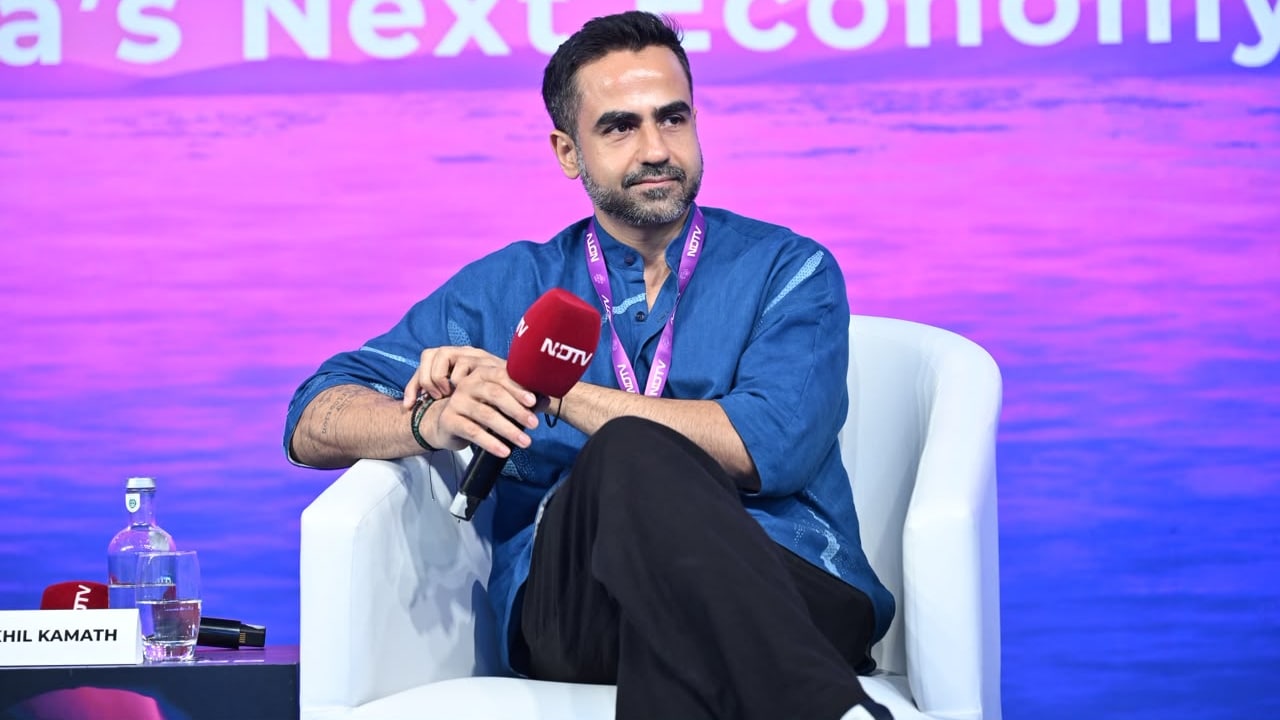
A microphone hums under bright stage lights at the NDTV World Summit in 2026. Nikhil Kamath sits with the quiet, unhurried posture of a man who has spent years watching other people panic over market swings while he measures things in decades. Someone asks about inheritance tax. Instantly, the room shifts. Not loudly. Not with booing or applause. Just a subtle leaning forward, the way people lean forward when a conversation touches something they have never spoken aloud in their own living rooms.
I have sat at kitchen tables where the air felt just as heavy. Years ago, watching an older relative sort through yellowed property deeds, municipal tax receipts, and insurance policies while a stack of unopened envelopes sat beside a lukewarm cup of tea, I realized something unsettling. Wealth rarely arrives with a neat instruction manual. More often, it arrives tangled in grief, paperwork, and guesswork.
Inheritance tax sounds like a dry policy debate on television. A percentage on a chart. A talking point for economists and political commentators arguing across split screens. Yet behind every tax bracket sits a living human story—a shopkeeper who worked sixty-hour weeks so his daughter could attend university, a founder who poured every sleepless night into building an enterprise from scratch, a parent who simply wanted the next generation to start with a slightly steadier footing.
At the NDTV World Summit 2026, Nikhil Kamath’s remarks on inheritance tax struck a chord precisely because they dragged an abstract fiscal concept out of theory and placed it beside real human incentives. When people talk about taxing wealth at death, they often talk as if money is a static pile sitting in a vault waiting to be divided. Anyone who has built a business, managed a household budget, or watched a family business struggle through generational handoffs knows money rarely sits still. It moves. It takes risk. It responds to what people believe they can keep, build, or pass along.
To make sense of why this single phrase—inheritance tax—provokes such fierce emotion, we have to strip away the slogans and look at what is actually happening beneath the surface.
Why a Tax Line Becomes Personal
Ask ten people what inheritance tax means, and you will get ten different answers mixed with fear, hope, and confusion. Some picture billionaires with private jets and offshore trusts. Others picture a modest family home in a growing city where land values rose quietly over twenty years while salaries barely kept pace.
That gap between perception and reality is where anxiety breeds.
Let us use a hypothetical scenario to see how quickly numbers on paper collide with real life. Suppose a fictional family—let us call them the Raths—owns a small manufacturing workshop and a modest house on the edge of a mid-sized Indian city. Over thirty years, Mr. Rath built the workshop with his own hands, reinvesting profits into machinery instead of taking big payouts. By the time he passes away, the business and land look valuable on paper because real estate and enterprise valuations have climbed over three decades. Yet liquid cash in the bank is modest, tied up in working capital and unpaid invoices.
If a heavy tax bill lands right at the moment of transition, the heirs face a painful choice. Sell the land. Borrow against the business. Or watch a lifetime of sweat get dismantled just to satisfy a lump-sum calculation.
I am being honest here: I find this territory genuinely complicated. There is no simple moral button to push where every answer feels clean. On one hand, societies need public revenue for schools, roads, healthcare, and infrastructure so that children without family wealth still have a fair shot at rising. On the other hand, punishing thrift, long-term building, or family continuity can discourage the very habits that create jobs and opportunity in the first place.
That tension is not a flaw in the conversation. It is the conversation.
When Nikhil Kamath addressed inheritance tax on the NDTV World Summit 2026 stage, his perspective resonated with people who think practically about capital, ambition, and human behavior. Rather than treating wealth creation as a villainous act or pretending inequality does not exist, practical builders tend to ask a sharper question: What behavior does a rule encourage over ten, twenty, or forty years?
The Invisible Clock Behind Every Fortune
Think of wealth like a slow-growing banyan tree. A metaphor will help here—this is strictly a metaphor, not a literal description of financial markets.
A banyan does not shoot up overnight like a weed. Its aerial roots drop slowly, finding purchase in soil, thickening over decades, shading the ground beneath it. If you chop at the roots every time the tree grows tall enough to cast a shadow, you might gather firewood today, yet you change how the forest grows tomorrow. People stop planting slow-growing trees. They plant fast, shallow crops instead, or they move their seeds somewhere safer.
Human beings behave remarkably like that. We plan around horizons.
When a young entrepreneur starts out—whether coding software in a cramped apartment, running a logistics fleet, or opening a neighborhood clinic—they are not just chasing this quarter's profit. Often, subconsciously or openly, they are building a cushion. They want their children not to know the gnawing fear of an unpaid medical bill or a failed harvest. Remove or sharply penalize the ability to pass on what you build, and the emotional math of work changes. Some people work less. Some spend more today rather than save for tomorrow. Some look for legal structures or overseas jurisdictions where their efforts face fewer hurdles.
Consider what happens next: capital becomes cautious.
In a developing economy like India, where millions of young people enter the workforce every year looking for jobs, opportunity, and stability, capital formation is not an abstract macro metric. Every rupee reinvested into a growing company is a potential salary, a training program, a supplier contract, a town's economic pulse. When policy debates turn toward inheritance tax, founders and investors listen closely not just for today's tax rate, but for the signal about long-term predictability.
Trust is fragile. Once people feel the rules of the game could shift abruptly at the end of a life's work, hesitation creeps in.
What History Tells Us About Passing Wealth On
We do not have to guess blindly about how societies wrestle with inherited wealth. History has staged this argument again and again across centuries and continents.
In ancient Rome, Augustus introduced a five percent inheritance tax on estates above a certain threshold to fund pensions for military veterans—a reminder that even two thousand years ago, states looked to inherited wealth when public obligations mounted. In modern Western economies, estate and inheritance taxes rose and fell with wars, social movements, and shifting philosophies of fairness. Some countries kept steep taxes on large estates; others repealed or narrowed them after concluding that compliance costs, avoidance loopholes, and capital flight outweighed the revenue collected.
Notice a recurring pattern across history. Whenever a tax is set too high or designed without care, human ingenuity rushes into the gap. Lawyers, accountants, and advisors spend fortunes helping wealthy families restructure assets, gift property early, or shift residency. Meanwhile, middle-class families—who cannot afford complex legal engineering—sometimes end up bearing the sharpest friction when asset prices outpace exemptions.
That is a sobering lesson from the historical record. Good intentions do not automatically produce fair outcomes. A tax that looks neat on a chalkboard can turn messy on the ground, generating resentment, litigation, and unintended economic drag while collecting less money than projected.
At the same time, ignoring concentration of wealth carries its own dangers. When opportunity feels locked behind birthright—when one child starts with generational land, connections, and capital while another starts with nothing—social trust frays. Merit begins to look like a myth.
So how do serious thinkers navigate between those two ditches?
Beyond Left vs. Right Soundbites
One reason Nikhil Kamath's appearances at major forums draw attention—including the NDTV World Summit 2026 conversation on inheritance tax—is that he rarely speaks like a rehearsed politician reading talking points. Coming from a background where wealth was built through modern financial markets and entrepreneurship rather than inherited palace estates, his lens tends to be pragmatic, candid, and grounded in how markets actually operate.
When public debate reduces inheritance tax to a cartoon—either "greedy elites hoarding everything" or "the state stealing your hard work"—everyone loses clarity. Real life is messier than a bumper sticker.
Let us look at three practical realities that get drowned out in noisy arguments:
First, paper wealth is not always cash in hand. A family might hold shares in a growing company or land in an expanding suburb. Taxing unrealized or illiquid value at death forces sales at awkward moments, depressing prices and disrupting businesses that employ real people.
Second, incentives shape effort over decades. People do not wake up on Monday morning deciding to skip work because of a footnote in the tax code. Yet over twenty or thirty years, expectations around saving, risk-taking, and family security quietly steer major life decisions—where to invest, how much risk to carry, whether to build at home or abroad.
Third, fairness starts earlier than death. If a society wants genuine equality of opportunity, economists often argue that investing in public schools, healthcare, skills, and clean institutions does far more heavy lifting than a dramatic levy at the finish line—especially if loopholes let the wealthiest sidestep it anyway.
I have seen families torn apart not by the government, mind you, but by their own lack of preparation. A parent dies without a clear will or transparent conversation. Siblings argue over property deeds and bank accounts while still grieving. Money has a strange way of magnifying old hurts when nobody has spoken plainly while everyone was alive.
Maybe that is the most uncomfortable truth of all. We worry about what the state might take at the end of our lives, yet we often leave our own children in the dark about what we built, why we built it, and how it fits together.
What You Can Actually Control Today
Policy debates in conference halls and television studios move at their own pace. You cannot vote on every nuance of tax legislation tomorrow morning, nor can you rewrite economic history overnight.
You can, however, bring clarity to your own table.
Start with honesty. If you have built savings, property, or a small business, talk openly with the people who depend on it or will one day inherit responsibility for it. Explain the real numbers—not just the shiny parts, but the debts, obligations, and operational realities too. A business is not just a valuation; it is customers, staff, and monthly bills. A home is not just square footage; it is memories and maintenance.
Keep records clear. Put nominations, wills, and ownership structures in order before crisis forces rushed decisions. Even modest estates benefit when paperwork is clean and unambiguous.
And keep a wide-angle view of wealth itself. Money is a tool, not a score to settle with the universe. Earning it honestly, investing it wisely, sharing some of it generously, and passing along both resources and resilience—those things belong to a life well lived, regardless of which way the political wind blows next year.
The stage lights at a summit eventually dim. The cameras pack up. The headlines move on to the next big story.
Yet back in ordinary homes, parents still look at their sleeping children, wonder what kind of world those kids will inherit, and quietly decide how hard to work tomorrow. A single spark of that quiet determination—a parent signing a school fee receipt, a founder locking the shop door at midnight, a child learning the value of a hard-earned rupee—carries more weight than a thousand slogans ever will.