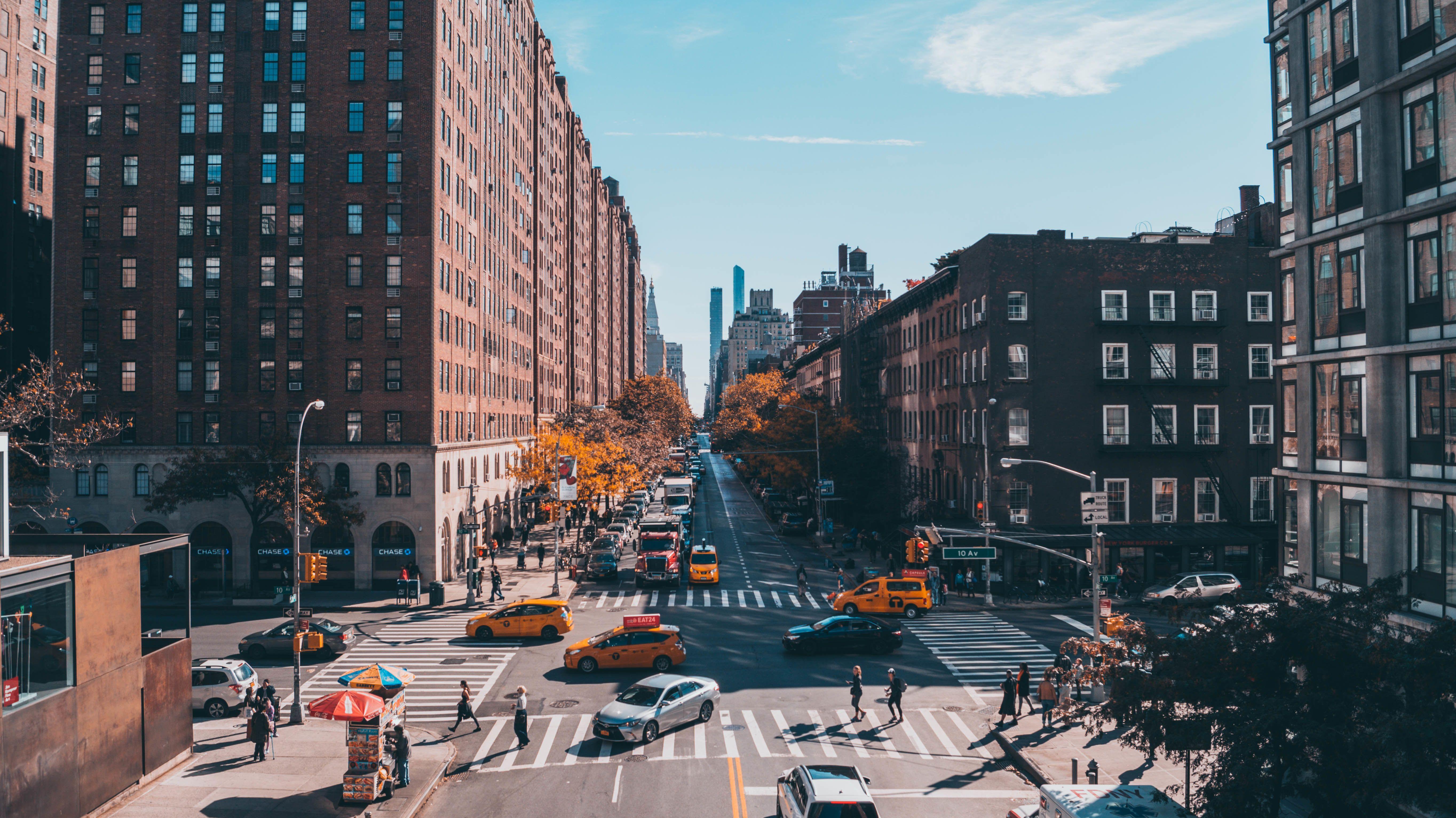
Neon rain smells like ozone and old copper. Even through a headset, when you spend enough hours walking the rain-slicked gutters of Cyberpunk 2077, you start to feel the cold creeping up your ankles as if your living room floor had turned into wet asphalt.
Listen closely to the hum behind the dialogue. Behind the chrome arms, the mantis blades, and the roaring Quadra engines, Cyberpunk 2077 is doing something far stranger than simulating a sci-fi shoot-out. It is holding up a scratched, crooked mirror to the quiet bargains we already make every day. We tend to treat Night City as a cartoon extreme—a place where corporations own your apartment, your ambulance, and the right to bury your body. Yet when I sit back from the screen after a late-night session, the distance between that fictional metropolis and my own browser tabs feels uncomfortably thin.
To see how this works, consider a hypothetical scenario grounded in real mechanics from the game and real patterns in our economy. Imagine a delivery courier named Tomas living in Watson, one of Night City’s cramped, vertical districts. Tomas does not own his boots. He leases them on a monthly plan that tracks how many kilometers he walks, and if he misses a payment, the soles stiffen until walking feels like dragging bricks. His health coverage is a tier subscription: bleed out in the street with the cheap plan, and the Trauma Team flies right past your corpse to pick up a platinum subscriber two blocks over. Every hour of Tomas’s life is metered, priced, and harvested for data.
That is the core dialectics of Night City—the clash between what a human body actually needs to stay whole and what a market demands when every part of life becomes a subscription.
The Architecture of Owning Nothing
When people talk about dystopia, they usually picture jackboots and barbed wire. Night City prefers an invoice.
In Cyberpunk 2077, megacorporations like Arasaka and Militech do not merely sell products; they construct total environments where survival requires perpetual rent. You rent your housing in megabuildings that feel less like homes and more like stacked storage lockers. You rent your capabilities through cyberware, upgrading your optics or reflexes not out of pure joy, but because staying employable in a brutal city forces you to keep pace with machines. Even death carries a balance sheet if a corporation holds the rights to your memories or your soul in a digital vault.
Now compare that to how our own daily lives have shifted over the past decade. Think about the software you need just to do your job, the streaming tiers that split a single show across three apps, the smart appliances that lock basic features behind a monthly fee, or the gig platforms that call workers independent while controlling the algorithm that sets their pay. None of that is Night City. We do not have neural jacks wired into our temples—at least not yet. Still, the underlying logic is remarkably familiar: convenience arrives first, dependency follows quietly, and ownership slowly dissolves into access.
(Note: Comparing game mechanics to modern subscription economies is an analytical analogy rather than a claim that today's world is literally controlled by rogue megacorporations.)
There is a reason this hits a nerve. When you pay for something once, you can put it on a shelf, fix it yourself, or hand it to a friend. When you rent the conditions of your daily life, the terms can change while you sleep. A price hike lands in your inbox. A server goes dark. A rule updates. Suddenly you are negotiating for things you thought were already yours.
Exhausting. That is the word that keeps coming back to me when I trace that thread.
Chrome as a Mirror for Modern Ambition
One of the sharpest ironies in Cyberpunk 2077 is how seductively shiny the trap looks. Nobody in Night City starts out wanting to be a cautionary tale. People go under the ripperdoc’s knife because they want to survive, be seen, matter, or finally climb out of the mud.
Cyberware in the game is a double-edged promise. Better eyes let you spot threats in the dark and read the room before a gun is drawn. Faster reflexes keep you breathing when a deal goes sideways. Yet every piece of chrome carries a hidden cost—not just in eddies, but in humanity. Push too far, treat your body purely as hardware to be optimized for output or combat, and you risk losing the quiet, fragile warmth that makes you a person rather than a weapon.
I recognize that temptation. I have lived inside it. Not with titanium joints, obviously, but with the modern habit of treating every waking hour like a productivity metric to be squeezed. Wake up early, optimize the morning routine, track the steps, monetize the side project, stay reachable after dark, turn your personality into a brand. At first, it feels like power. You are sharp, fast, indispensable. Then one Tuesday afternoon you stare at your screen for twenty minutes unable to remember why you opened it, feeling hollow despite having checked off every box.
Metaphorically speaking, we have been installing our own version of cyberware—apps, alerts, metrics, and hustle habits—designed to make us faster and more competitive in an expensive world. The catch is that the faster we run on the treadmill, the more the treadmill speeds up to match us.
Night City understands this trap better than most prestige dramas. Its streets are packed with people who traded pieces of themselves for an edge, only to discover the house always takes the lion’s share.
The Streets Where Nobody Stays Neutral
What makes the game’s world feel heavy rather than merely flashy is how it treats ordinary people. V, the protagonist, is a mercenary trying to carve out a legend in a city that chews up legends for breakfast. Yet the real weight of Night City sits in the background noise: the vendors arguing over margins, the desperate gigs taken for a few thousand eddies, the quiet grief of friends who realize no single gunfight is going to fix the system.
Consider a second hypothetical character, Maya, a street-level netrunner who grew up in Santo Domingo. Maya isn’t trying to topple a megacorp with a dramatic speech; she just wants her younger brother out of a dead-end factory shift and into a safe clinic. Every job she takes pulls her deeper into corporate crossfire. Even when she wins a payout, inflation, extortion, or a sudden shift in corporate turf swallows half of it before she can breathe.
That struggle captures the heart of hypercapitalism—not just big numbers on a balance sheet, but the grinding friction felt by people with very little margin for error. When everything has a price tag and safety feels conditional, trust becomes scarce. Everyone is hustling. Everyone is calculating angles. Even friendship has to fight against survival instincts.
I have to admit something honest here: writing about this or playing through it can make the whole picture look bleak to the point of paralysis. Sometimes I catch myself wondering whether pointing out how market logic creeps into every corner of our lives just leaves people feeling cynical and powerless. Cynicism is cheap. It is easy to sneer from the sidelines and call everything rigged. Harder—and far more useful—is figuring out where human agency still lives.
Why Fiction Sees What Daily News Misses
Why does a video game—a medium often dismissed as escapism—capture this tension so vividly?
Because games let you inhabit a system rather than just read a headline about it. A news article can tell you about housing unaffordability, gig-work precarity, or surveillance capitalism. Those facts matter, and we need rigorous reporting to track them. Yet numbers on a page are easy to scroll past when you are tired.
Inside Night City, you walk the alleys. You hear the advertisements blaring from towering holograms promising happiness if you just buy the next upgrade, drink the next synthetic beverage, or sign the next contract. You see the stark physical divide between gleaming corporate towers above the smog and crowded, patched-together neighborhoods below. The world’s structure isn’t explained in a lecture; it is baked into every transaction, every street corner, and every desperate bargain.
Historically, speculative fiction has often worked this way. From early industrial novels that exposed factory conditions to twentieth-century dystopias that warned against unchecked state and corporate power, imaginative stories stretch a present trend just far enough for us to see its shape clearly. Cyberpunk 2077 takes threads already woven through late modern life—extreme wealth concentration, algorithmic control, body modification, commodified attention, corporate impunity—and pulls them tight until they hum.
Not every detail in the game is realistic, of course. Real cities don’t run on street samurai and lethal street gangs at every intersection. Still, the emotional truth rings clear: when profit becomes the primary measure of value, human dignity has to fight harder to keep its footing.
Reclaiming the Unpriced Parts of Life
If Night City shows us the destination of an unchecked market logic, the story doesn’t have to end in surrender. Fiction is a warning light, not a fate.
Look at what actually keeps characters grounded when the city around them turns cold. It isn’t a bigger gun or a flashier implant. It is loyalty that doesn’t ask for a cut. It is sitting across from someone who knows your real name, not your street handle. It is choosing rest when everything around you screams that resting is falling behind.
In our own lives, resisting that slow slide into total commodification starts in small, stubborn choices.
- Protect spaces that aren’t monetized. Keep at least a few hours, friendships, or hobbies completely free from performance metrics, side-hustle pressure, or content creation. If everything you love is also a revenue stream, you eventually lose the freedom to do anything just because it feels good.
- Read the fine print on your attention and ownership. Notice which tools serve you and which ones quietly harvest your time, habits, or money through frictionless dark patterns. Switching to simpler tools, canceling subscriptions you rarely touch, or buying outright when possible restores a small piece of sovereignty.
- Build real-world solidarity. Markets thrive when everyone treats everyone else as competition or a customer. Showing up for neighbors, coworkers, and community spaces creates pockets of mutual support that an algorithm cannot easily price or replace.
None of those steps will remodel a city overnight. They won’t rewrite tax codes or break up monopolies on their own. Yet they change the texture of your days. They remind you that you are a person with boundaries and worth, not a walking balance sheet.
The Hum After the Screen Goes Dark
Night City is built to dazzle and overwhelm, to make you feel small in the shadow of towers that scrape the clouds. It wants you to believe that the system is too vast to question and too profitable to change.
Turn off the monitor, though, and the quiet returns. The room is still. The rain isn’t falling inside your walls. You still get to decide what matters most when the noise dies down—not what a screen tells you to buy, not what a metric demands, not what a market prices at a penny a drop.
Out there in the dark, a neon sign flickers once, buzzes softly, and goes out.