We like to think that in a city of seven million people humming with neon and packed tighter than a subway car at rush hour, you can't possibly disappear. You step outside, and someone bumps your shoulder. You ride the MTR, and you're surrounded by strangers breathing the same filtered air. Yet, isolation in dense urban centers is entirely real. It's often worse precisely because you're surrounded by noise.
The tragedy of the two elderly brothers found dead in a Hong Kong flat highlights a dark reality that urban planners, social workers, and neighbors keep missing. They weren't missing persons for months on end until someone smelled something foul. They were just two men living on the margins of a hyper-efficient society that didn't know how to look twice.
When Density Breeds Total Isolation
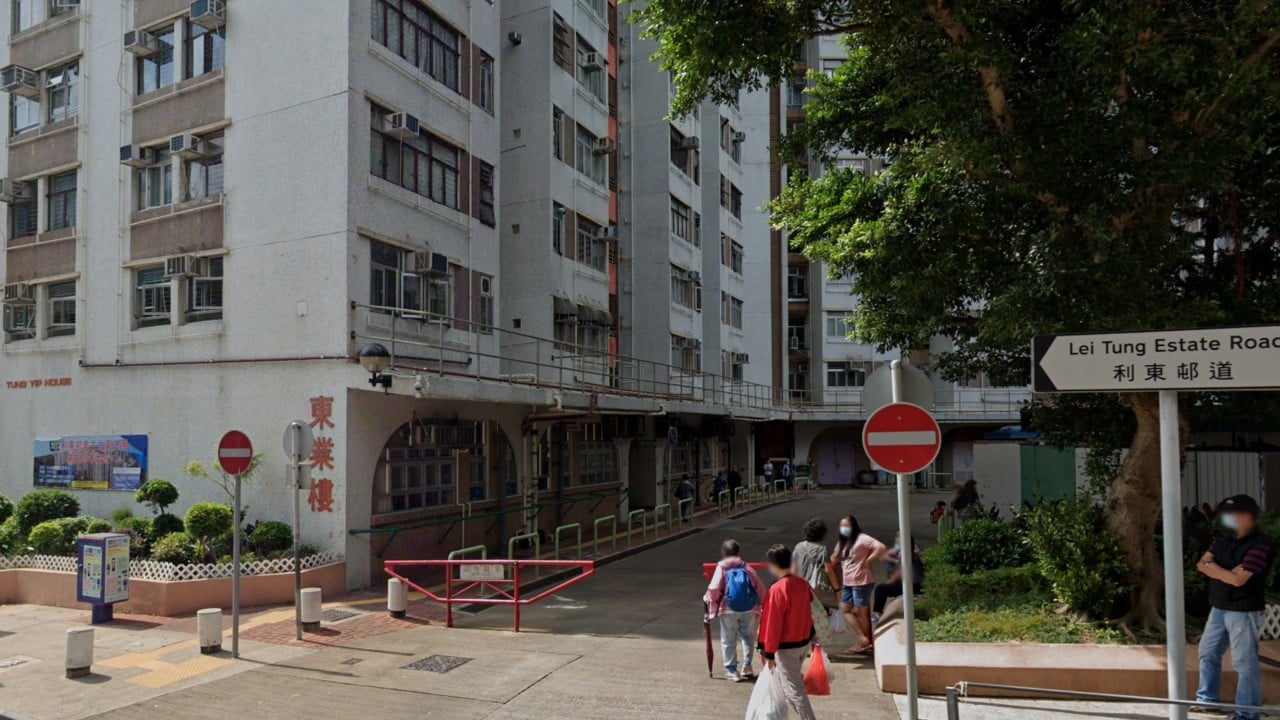
Hong Kong apartments are famously cramped. People live stacked on top of each other in high-rises where walls are thin and elevators are shared. You would think privacy is the only thing in short supply. But emotional isolation thrives in these concrete boxes.
When authorities responded to the flat following reports, they found no signs of foul play. That detail matters. It strips away the dramatic mystery of a crime thriller and leaves us with something much more ordinary and terrifying. They simply faded away. No one checked in. No delivery drivers lingered. No community safety net caught them before they hit the bottom.
We built cities that maximize economic output per square foot, but we forgot to build neighborhoods. When you don't know the name of the person living three feet away behind the fire door, a medical emergency or a slow decline turns into a fatal trap.
The Myth of the Independent Older Adult
Families drift. Siblings grow old together, sharing a cramped childhood home long after their parents are gone, locked in a time warp while the rest of the world speeds up. They stop going out. They manage their groceries through delivery apps or corner shops until even those trips stop.
Society often praises older adults who want to be left alone as independent. We say they're resilient. We talk about dignity in aging on our own terms. But there's a razor-thin line between privacy and abandonment.
When two aging siblings live entirely shut off from the outside world, self-reliance becomes a slow-motion hazard. Nobody tracks their physical decline. Nobody notices when mobility drops to zero or when basic utilities go unpaid because the paperwork became too confusing.
Fixing the Blind Spots in Our Communities
You can't legislate away loneliness, but you can stop pretending that smart cities solve human problems. If public policy only tracks housing shortages and GDP, these stories will repeat.
Real change starts at the micro-level. It means property management companies treating uncollected mail or prolonged stillness as an emergency rather than an administrative nuisance. It means neighborhood committees actually knocking on doors instead of dropping leaflets through mail slots.
Check on your neighbors. It sounds cliché, but it's the only baseline defense we have against a system designed to let people slip through the cracks. Drop a note. Learn a name. Pay attention when someone you usually see every Tuesday disappears for two weeks.
We have to stop waiting for tragedy to map out our blind spots. The city is too loud for anyone to die in silence, yet it happens anyway.