The Desk in Frankfurt
Rain streaks the glass of a forty-fifth-floor office overlooking Frankfurt’s banking district. Inside, a portfolio manager stares at two glowing monitors. On the left screen sits a mound of European corporate bonds yielding a meager, predictable trickle. On the right lies an ocean of Chinese onshore debt yielding far more, backed by some of the fastest-growing industrial titans on the planet.
Between those two screens lies a massive, invisible wall.
It is a wall constructed of conflicting credit ratings, opaque regulatory hurdles, and currency settlement anxieties. For decades, global investors wanted access to China’s vast domestic bond market, and China wanted their capital. Yet, every time a treasurer tried to cross that threshold, they ran into a wall of bureaucratic friction.
That friction is finally melting away.
China’s financial architects are quietly overhauling the Panda bond market. By introducing mandatory global credit mapping and slashing administrative tape, Beijing is sending an undeniable signal to the trading desks of London, Frankfurt, and New York: the doors are unlocked, and the bridge is built.
What Happens When Ratings Speak Different Languages
To understand why this shift matters, you have to look at the absurd language barrier that governed cross-border finance for decades.
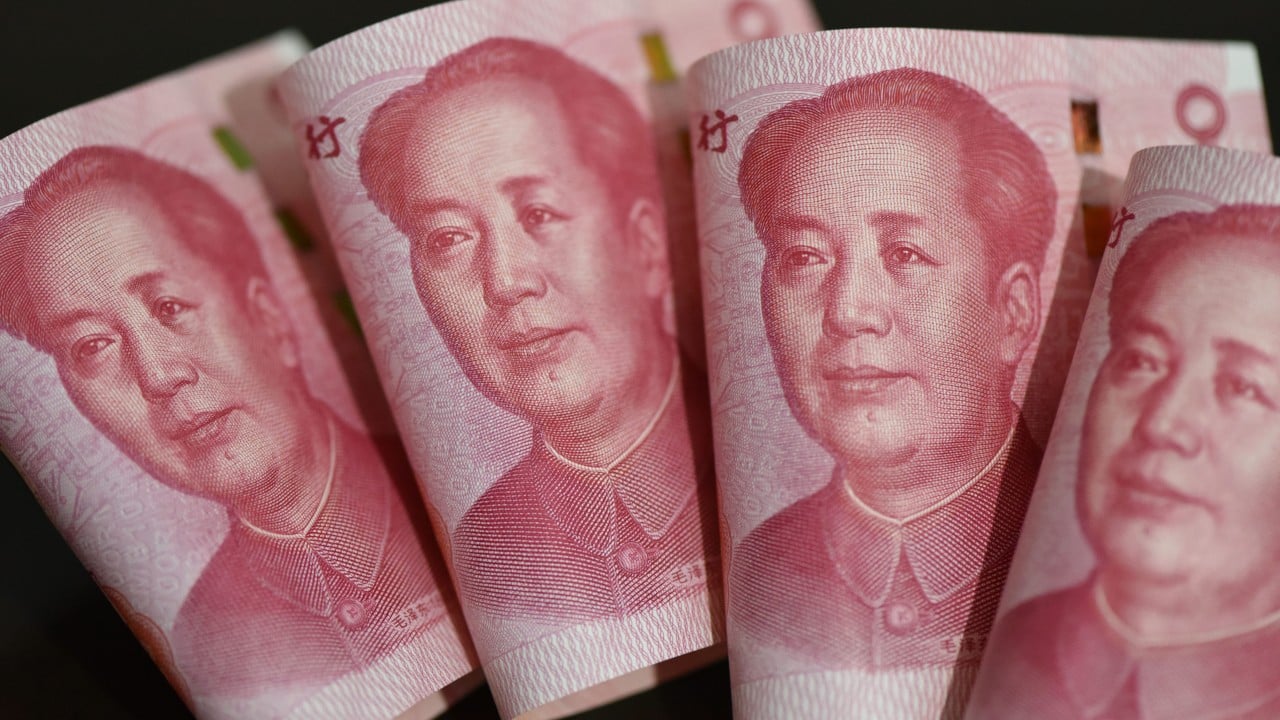
When a major multinational company issues a bond in mainland China—denominated in onshore yuan—it is called a Panda bond. The concept is elegant. A French automaker or a South Korean conglomerate can borrow directly from Chinese domestic banks and institutional investors to fund its local factories.
The reality was far messier.
For years, global credit rating agencies and domestic Chinese rating agencies operated in completely different realities. A corporate issuer rated BBB by Western standards—signaling moderate risk—might automatically receive an AAA rating inside China’s domestic market. Chinese domestic rating scales were compressed at the top. Virtually every major enterprise was stamped with a pristine AAA seal.
To a risk manager sitting in Frankfurt or Tokyo, that meant the local rating was functionally useless.
Without a reliable translation mechanism, compliance officers at international pension funds slammed the brakes. They could not justify risking retirement money on assets whose risk profiles were mathematically unreadable across borders. Capital stayed parked on the sidelines. Millions of dollars spent on cross-border legal opinions went nowhere.
China’s regulators recognized the impasse. The mandate for global credit mapping changes the equation overnight. By forcing domestic credit evaluation standards to map transparently against international rating frameworks, Beijing is handing global treasurers a Rosetta Stone.
The Friction of the Old Guard
Consider how a simple corporate expansion used to unfold.
Imagine a German industrial manufacturer looking to build a zero-emission assembly plant in Shenzhen. The machinery is expensive. The supply chain demands upfront RMB liquidity.
Under the old rules, the German company had to navigate two distinct financial universes:
- The Offshore Route: Borrow offshore RMB in Hong Kong at high interest rates, then deal with cumbersome capital controls to transfer those funds into mainland China.
- The Onshore Route: Apply to issue a Panda bond directly in Shanghai, but face endless regulatory reviews, ambiguous documentation requirements, and local rating processes that international auditors refused to endorse.
Faced with those headaches, many treasurers simply walked away. They financed their operations through traditional bank loans or expensive parent-company guarantees. It was slow. It was inefficient. It starved the Chinese domestic market of high-quality foreign issuers and deprived global investors of diversified RMB asset exposure.
Efficiency matters in high-stakes finance. Every extra day spent waiting for regulatory approval drains capital. Every mismatch in credit ratings adds a layer of risk premium that drains profitability.
Removing the Invisible Handbrakes
The reform package currently rolling through China’s interbank market is not an incremental tweak. It is a systematic dismantling of institutional friction.
By streamlining the registration process for foreign issuers, Chinese regulators are converting a bureaucratic obstacle course into a standardized expressway. Standardized disclosure rules mean a CFO in Munich can draft bond prospectuses using documentation that closely mirrors international standards.
More importantly, mapping global credit ratings creates genuine price discovery.
When credit risk is priced accurately, capital flows where it is treated best. High-grade multinational companies can tap deep pools of Chinese liquidity at yields that reflect their true global strength. Chinese institutional investors—long hungry for high-quality, investment-grade paper to balance their portfolios—finally gain access to pristine foreign issuers right in their own backyard.
It is a rare alignment of incentives. China deepens the international use of the RMB while anchoring foreign corporate giants into its domestic economy. Foreign issuers secure cheaper, direct funding in the currency they use to pay local suppliers and workers. Global investors get a transparent gateway into the world's second-largest bond market.
The Ripple Effect Across Trading Desks
Walk through the trading floors of Singapore or London today, and the conversation around Asian fixed income has visibly shifted.
The old narrative framed China’s domestic bond market as an insular playground governed by unique, unpredictable rules. That narrative is dying.
As global central banks adjust interest rate policies, CFOs are forced to be far more agile with their capital structures. The ability to issue Panda bonds effortlessly allows global corporations to hedge currency risks natively. If your revenue is in yuan, your debt service should be in yuan. Match the assets to the liabilities, and the risk drops to zero.
This is how financial ecosystems mature. Not through massive public proclamations, but through the tedious, technical work of aligning credit standards, clearing mechanisms, and regulatory workflows.
The rainy afternoon in Frankfurt carries on. But on the manager’s screen, the wall between those two worlds is fading. The trade is no longer a theoretical exercise buried under legal disclaimers. The order is placed. The capital moves. A bridge forged in quiet policy documents now carries billions in global trade, one transparent basis point at a time.