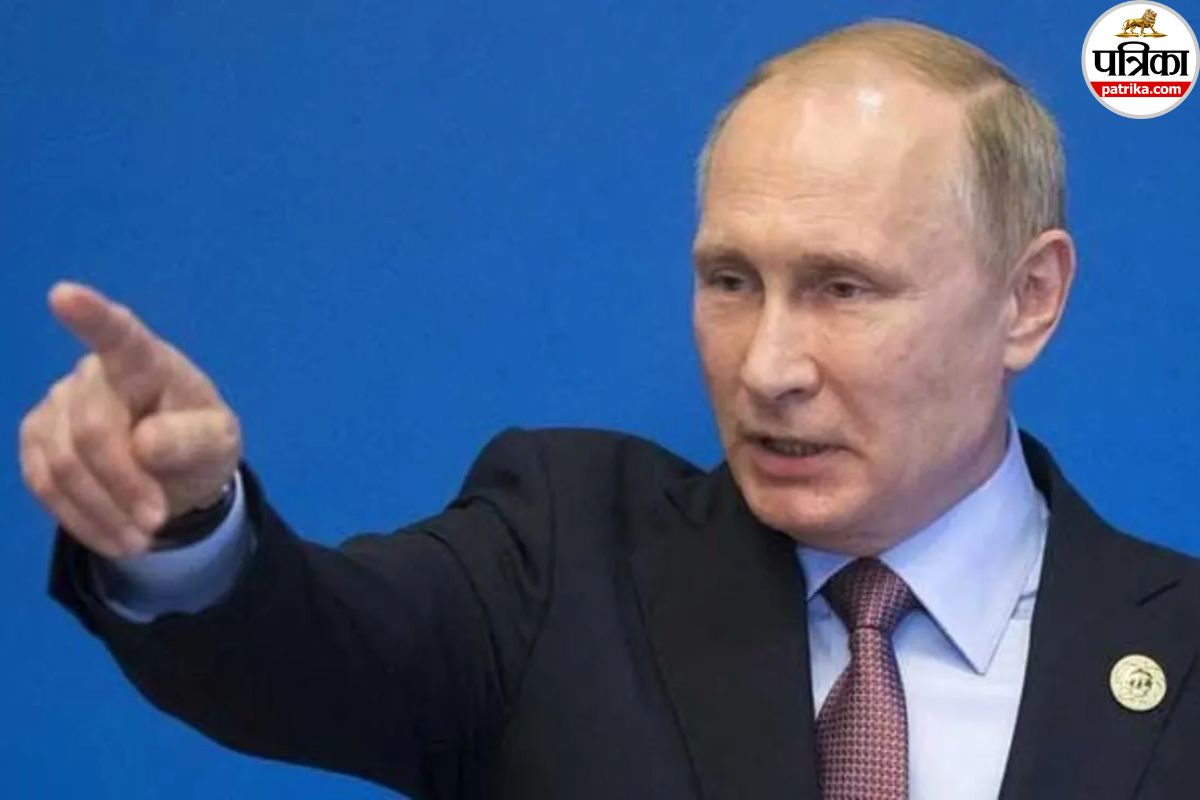
The failed diplomatic theater in Islamabad has left a vacuum that only Moscow seems eager to fill. When the dust settled on the recent high-level talks in Pakistan, the lack of a joint communique regarding regional security wasn't just a bureaucratic oversight. It was a signal of systemic collapse. Within hours of the Islamabad sessions dissolving into vague platitudes, Vladimir Putin was on the phone with Iranian President Masoud Pezeshkian. This move by the Kremlin is not a mere gesture of neighborly concern. It is a calculated insertion of Russian influence into a volatile corridor where Western diplomacy has become effectively toothless.
The collapse of the Islamabad talks centered on a fundamental disagreement over how to handle cross-border militancy and the increasing friction between Sunni and Shia power centers in the region. Pakistan, caught in a debt spiral and domestic political upheaval, can no longer act as the steady hand in Central Asian affairs. Moscow knows this. By bypassing the traditional mediation routes and engaging Tehran directly after the Islamabad failure, Putin is positioning Russia as the final arbiter of Eurasian stability.
The Kremlin Strategic Pivot
Russia is playing a long game that the West frequently misreads as simple opportunism. Following the isolation imposed by the conflict in Ukraine, Putin has been forced to solidify an "arc of necessity" that runs from Moscow through Tehran and down into the Indian Ocean. The failure of Pakistani mediation gave Russia the perfect opening to prove that the road to regional peace no longer runs through Washington or even Islamabad.
When Putin called Pezeshkian, the conversation likely moved far beyond the standard scripts of bilateral cooperation. Sources close to the diplomatic exchanges suggest that the primary focus was the "security architecture" of the Middle East and South Asia. This is code for neutralizing Western influence while ensuring that the internal conflicts of the Islamic world do not spill over into Russia’s backyard. Russia cannot afford a hot war between its partners, and it certainly cannot afford for the Taliban-led Afghanistan or a fractured Pakistan to become a base for regional destabilization.
The timing of the call is the most telling factor. Putin did not wait for a debrief. He moved while the Pakistani officials were still cleaning up their conference rooms. This is the new reality of the multipolar world. Power moves toward the person willing to pick up the phone when the formal committees fail.
Why Islamabad Failed to Hold the Line
For decades, Pakistan marketed itself as the bridge between the Middle East and the West, and between the various factions of the Muslim world. That bridge is now structurally unsound. The internal economic crisis in Pakistan has stripped the country of its diplomatic leverage. You cannot mediate a peace deal between regional giants when you are begging for your next IMF tranche.
The talks in Islamabad failed because the participants—most notably Iran—no longer see Pakistan as an independent actor. They see a nation under heavy pressure from both Chinese debt and American security demands. Iran, under Pezeshkian, is looking for partners who can offer actual security guarantees and trade routes that circumvent sanctions. Russia offers both. Pakistan, currently, offers neither.
Furthermore, the specific grievances between Tehran and Islamabad regarding border security and the Balochistan insurgency have reached a point where a third-party heavyweight is required. Russia is the only player that maintains a functional, high-level relationship with the Iranian Revolutionary Guard Corps (IRGC), the Pakistani military establishment, and the Taliban. Moscow is filling the role of the "honest broker" not out of a sense of moral duty, but because stability in this region is the only way to protect its southern flank.
The Iran Russia Nexus Becomes Formal
The relationship between Moscow and Tehran has evolved from a marriage of convenience into a strategic bedrock. Pezeshkian, though initially framed by some as a "reformist," has shown that he is firmly committed to the "Look East" policy established by his predecessors. The call from Putin reinforces this alignment.
We are seeing the creation of a shadow diplomatic circuit. In this circuit, the United Nations and the old-world alliances are replaced by direct, leader-to-leader communication. This bypasses the slow, public-facing diplomacy that characterized the 20th century. When the Kremlin states that the two leaders discussed "priority issues of the international and regional agenda," it is a direct nod to the fact that they are now coordinating their moves in real-time.
The Energy and Trade Calculus
Behind the talk of security lies the hard reality of oil and gas. Russia and Iran together hold the world's largest natural gas reserves. If they can stabilize the corridor through Pakistan and into India, they control the energy future of the entire continent. The Islamabad talks were meant to address some of the logistics of regional trade, but without a security guarantee, the infrastructure remains a pipe dream.
Putin’s intervention suggests that Russia might be willing to provide that guarantee—or at least the diplomatic cover required to start construction. The International North-South Transport Corridor (INSTC) is the prize. This network of ship, rail, and road routes for moving freight between India, Iran, Azerbaijan, Russia, Central Asia, and Europe is Russia’s answer to the Suez Canal. It cannot function if the region between Tehran and Islamabad is a war zone.
The Dangerous Gap in Western Intelligence
While the West remains hyper-focused on the tactical movements in Eastern Europe, it is missing the strategic consolidation happening in the East. The failure of the Islamabad talks should have been a wake-up call. It was a clear indication that the traditional regional powers are no longer able to manage their own affairs without outside help.
The fact that Putin is the one providing that help is a massive failure of Western foresight. For years, the policy was to isolate Iran and manage Pakistan through aid. That policy has backfired. It has pushed Iran into a permanent alliance with Russia and left Pakistan too weak to serve as a buffer.
The Reality of Russian Mediation
Russian mediation is not like the mediation seen in Geneva or Doha. It is transactional, blunt, and backed by the threat of military cooperation or the withdrawal of technical support. When Putin talks to Pezeshkian, he is not talking about "human rights" or "democratic norms." He is talking about the survival of their respective regimes and the dominance of their shared geographic space.
This brand of diplomacy is highly effective in a region that values strength and consistency over ideological alignment. The Iranian leadership knows exactly where it stands with Russia. They know that Russia will not impose sudden sanctions over domestic policy or change its mind after a change in government. This predictability is the currency of the new East.
The Risks of the Russian Gambat
However, this is a high-stakes gamble for Putin. By stepping into the middle of the Iran-Pakistan-Afghanistan triangle, he is taking responsibility for one of the most volatile regions on earth. If Russia fails to prevent a conflict, its prestige as a global power will take a massive hit. Unlike the West, Russia does not have the luxury of retreating across an ocean if things go south.
The immediate concern is the border between Iran and Pakistan. Recent missile exchanges between the two have shown how thin the veneer of civility has become. If Putin can successfully de-escalate this specific tension where Islamabad failed, he will have achieved more in a single phone call than years of traditional diplomacy.
The End of the Post-Cold War Order in Asia
The significance of this moment cannot be overstated. We are witnessing the final expiration of the post-Cold War order in South Asia. The idea that a Western-aligned Pakistan could manage the regional security of the Islamic world is dead. In its place is a new, darker, and more pragmatic arrangement led by Moscow and Tehran.
This is not a development that can be fixed with more aid or another round of sanctions. The leverage has shifted. The actors have changed. The map of Eurasia is being redrawn, and the ink is being provided by the Kremlin.
The next few months will reveal whether the Putin-Pezeshkian alignment can actually deliver stability or if it will simply manage a slow descent into chaos. But one thing is certain: the era of Islamabad as the center of regional mediation is over. The phone rings in Moscow now.