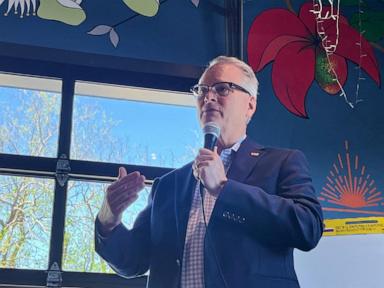
Adam Hamilton is running for the U.S. Senate in Kansas, and the media is already tripping over its own feet to frame this as a "clash of values" or a "test of the Methodist soul." They are wrong. This isn't a theological debate or a heartwarming story about a moderate bridge-builder entering the fray. It is a case study in the institutional rot of American leadership. We have reached a point where we mistake "pastoral presence" for "legislative proficiency," and it is going to cost us.
The mainstream narrative is lazy. It suggests that because Hamilton leads the largest United Methodist congregation in the country—the Church of the Resurrection—he is uniquely qualified to heal a fractured electorate. This assumes that managing a massive non-profit and keeping suburbanites comfortable is the same thing as navigating the brutal, zero-sum mechanics of federal policy. It isn't. One is about consensus and comfort; the other is about leverage and hard power.
The Myth of the "Moderate" Savior
The press loves the "Moderate Methodist" trope. It’s safe. It’s palatable. It suggests that if we just find someone who can talk about Jesus without making people angry, we can fix the Senate. But moderation in the modern political climate isn't a strategy; it’s a vacuum.
When a high-profile religious leader jumps into a Senate race, they aren't bringing a "third way" to Washington. They are bringing a specific brand of conflict avoidance that is lethal in a legislative body. The U.S. Senate is not a vestry meeting. You cannot "pastor" a bill through committee. You cannot "discern" your way out of a debt ceiling crisis. Hamilton’s success in the church is built on his ability to hold together a broad, disparate coalition by smoothing over edges. In Washington, if you don't have edges, you get walked over.
I’ve watched organizations—both secular and religious—collapse because they promoted the "nice guy" to a role that required a "hatchet man." We are about to do the same thing with a Senate seat.
The Ego of the Mega-Church Model
Let’s be honest about what it takes to build a church of 15,000 members. It requires a massive ego and a corporate mindset. The idea that a pastor is a humble servant is a Sunday morning fiction. A mega-church leader is a CEO, a brand manager, and a personality cult lead rolled into one.
When these figures pivot to politics, they aren't doing it out of a sudden "call to service." They are doing it because they have hit the ceiling of their current industry. They have conquered the religious market share and now they want a bigger stage.
The danger here isn't that Hamilton will bring too much religion into the Senate. The danger is that he will bring the mega-church management style:
- Top-down optics: Everything is about how the "message" lands, not the gritty details of the policy.
- Conflict suppression: Using moral authority to shut down legitimate dissent.
- The "Great Man" Fallacy: The belief that one charismatic leader can solve systemic institutional failures.
Kansas is Not a Sanctuary
The competitor pieces focus on Hamilton’s ability to "reach across the aisle" because his congregation includes both Republicans and Democrats. That is a fundamental misunderstanding of how people behave in a pew versus how they behave in a voting booth.
People go to the Church of the Resurrection to feel part of something larger and more peaceful than their daily lives. They vote based on their tax brackets, their fears, and their tribal identities. Thinking that a congregation's harmony translates to a state's political alignment is a rookie mistake.
Kansas has a history of rejecting the "moderate preacher" archetype when the stakes get real. Look at the data from the last three decades of Kansas politics. The winners aren't the ones who try to split the difference; they are the ones who define the difference. By running as a moderate healer, Hamilton is effectively bringing a butter knife to a drone strike.
The Competence Gap
If a neurosurgeon ran for Senate, we would ask if they knew anything about economics. If a tech CEO ran, we would ask about their stance on foreign policy. But when a pastor runs, we ask about their "heart."
This is the soft bigotry of low expectations for the clergy. We assume that "being a good person" is a substitute for knowing how to draft a budget or understanding the intricacies of the National Defense Authorization Act.
- Pastoral Experience: 30 years of counseling, preaching, and fundraising.
- Senate Requirements: Constitutional law, macroeconomic theory, geopolitical strategy, and the ability to withstand a 24-hour news cycle designed to destroy you.
The skills are not transferable. I’ve seen brilliant leaders from the non-profit world get eaten alive in the public sector because they didn't understand that in politics, your "opponents" don't want to find common ground—they want you unemployed and disgraced.
The High Cost of the "Moral" Candidate
Every time we elect someone based on their "moral character" rather than their "mechanical utility," we lose ground. The "moral" candidate is often the most easily manipulated because they are obsessed with their own reputation. They won't make the dirty deals necessary to get things done because they don't want to stain their "witness."
Washington is a machine made of grease and gears. If you refuse to get your hands dirty, you are just a decorative ornament on the hood of a car that’s headed for a cliff.
Hamilton’s entry into the race isn't a sign of a healthy democracy. It’s a sign that we have given up on expecting our politicians to be professionals. We are now treating the Senate like a retirement home for famous community leaders who are bored with their current "realms" of influence.
Stop Asking if He’s a Good Man
The question isn't whether Adam Hamilton is a good man or a gifted speaker. He is both. The question is whether we want a Senator who treats his constituents like a flock that needs tending, or a representative who treats the government like a tool that needs wielding.
We don't need more "pastors of the nation." We need people who understand the brutal reality of power and aren't afraid to use it. If you want a sermon, go to Leawood on Sunday. If you want a state that functions, stop electing people whose primary qualification is that they make you feel better about your sins.
The pulpit is for transformation. The Senate is for transactions. Confusing the two is the fastest way to ruin both.