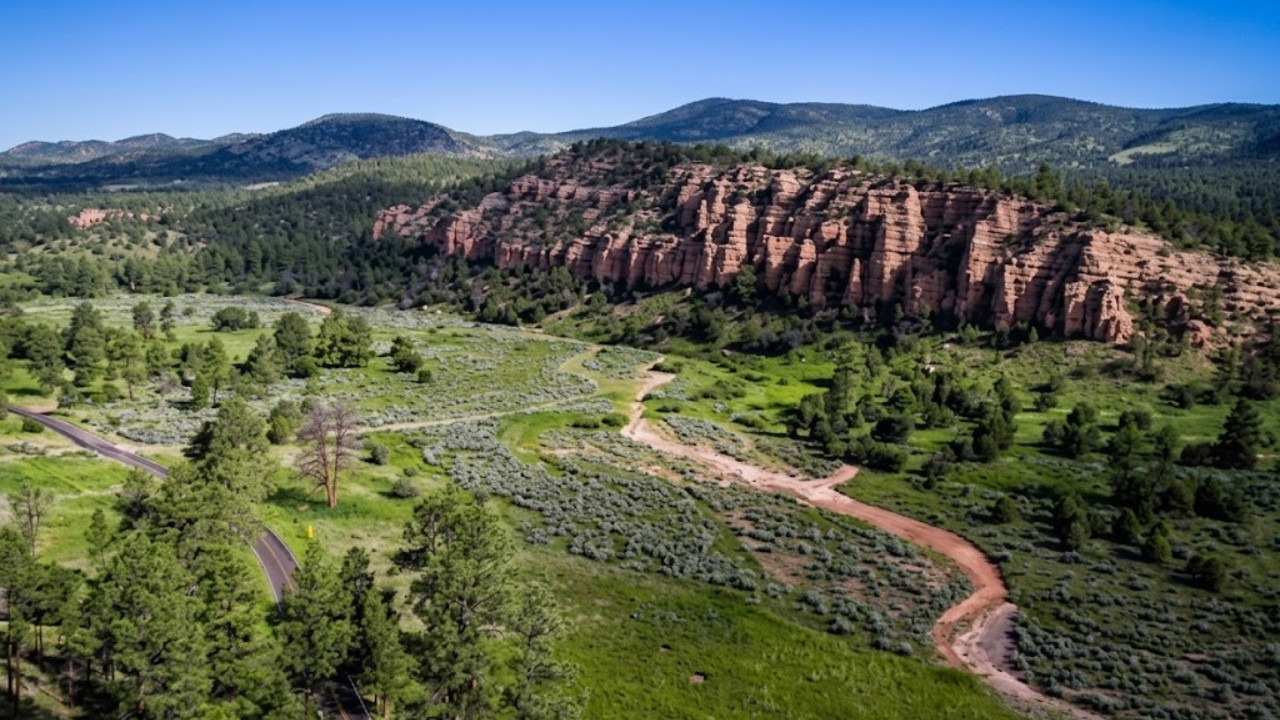
Conservation groups are popping champagne over the state of New Mexico locking up nearly 11,000 acres along the Mimbres River as a protected wildlife area. Headlines frame this as a massive win for biodiversity, a triumph of preservation over exploitation, and a sanctuary for the Southwest.
It is a comforting narrative. It is also a dangerous delusion.
I have spent decades watching well-intentioned policy blueprints turn working ecosystems into ecological museums, and New Mexico just bought a ticket for the same ride. Slapping a preservation label on a patch of desert riparian zone does not heal the land. More often than not, it freezes a degraded baseline in amber, pushes grazing pressure onto more fragile private parcels nearby, and absolves land managers from doing the grueling, unglamorous mechanical work required to make a watershed genuinely resilient.
Let us dismantle the feel-good press release and look at what is actually happening on the ground along the Mimbres.
The Myth of Passive Protection
The core premise of the modern conservation lobby is simple to the point of brainlessness: humans touch nature, nature breaks; humans walk away, nature heals.
Except the American West is not an untouched wilderness waiting for a bureaucratic decree to restore its Edenic state. It is a heavily altered, highly fragmented system shaped by a century and a half of water diversion, overgrazing, aggressive fire suppression, and invasive species introduction.
When you designate 11,000 acres as a hands-off sanctuary without first aggressively repairing the underlying hydrology, you are not protecting an ecosystem. You are preserving a symptom.
Take the Mimbres River itself. Unlike perennial rivers that roar year-round, the Mimbres is a terminal stream with stretches that naturally go subsurface. It is an extremely tight, highly sensitive hydrological corridor. Pumping restrictions and upstream diversions have starved parts of this basin for generations. Drawing a boundary line on a map does not restore base flows. It does not put a single acre-foot of water back into the gravel aquifers.
Imagine a scenario where a doctor declares a severely dehydrated patient cured simply by putting them in a pristine hospital room and locking the door, refusing to give them water because drinking might disrupt the sheets. That is what passive riparian preservation looks like in practice.
Who Actually Pays the Price
Conservation wins in state capitals are almost always paid for by rural displacement. When acreage is pulled off the tax rolls or restricted from historical working uses, the economic shockwaves hit local ranching families and grazing permittees who have managed these transition zones for generations.
The mainstream narrative paints these ranchers as adversaries of the river. The reality is far more nuanced. Working ranches often act as the only bulwark against parcelization and suburban sprawl. When you squeeze traditional land users out through regulatory creep and conservation overlays, the land does not revert to pristine wilderness. It gets carved up into five-acre hobby ranches, outfitted with septic tanks, domestic wells, and perimeter fences that block pronghorn migration routes.
Real environmental stewardship requires skin in the game. It demands active management, targeted thinning, beaver analog construction, and rotational grazing that mimics historic megafauna impacts. Locking the gate and throwing away the key is not management; it is abdication.
The Data We Refuse to Look At
If conservation easements and wildlife area designations were the silver bullet we are told they are, New Mexico’s biodiversity metrics would be soaring. They are not.
Decades of monitoring across similar desert riparian restorations show a depressing trend. Without active restoration of incised channels—where rivers have cut deep, narrow ditches that drain the surrounding water table—passive protection just results in dense thickets of non-native saltcedar and Russian olive choking out native cottonwoods and willows.
You cannot out-legislate invasive species. You cannot bureaucratic-decree your way past a lowered water table. Every dollar spent on boundary signs and administrative overhead is a dollar stolen from actual mechanical channel restoration, rock weir construction, and sedge mat re-establishment.
The state government loves these announcements because they look great on a gubernatorial resume. They cost relatively little upfront, they generate ecstatic applause from urban donors, and they require zero political courage. Tackling the thorny realities of adjudicated water rights, agricultural efficiency, and upstream watershed health? That requires heavy lifting. So instead, we get a ribbon-cutting for a line on a map.
What Real Restoration Demands
If New Mexico actually cared about the long-term viability of the Mimbres basin, the playbook would look entirely different.
First, stop treating livestock as an existential enemy and start treating them as a biological tool. High-intensity, short-duration grazing can break up soil crust, trample organic matter into the seed bed, and stimulate root growth in ways that static preservation never will.
Second, focus capital on process-based restoration. Build low-tech, process-based structures using rock and natural debris to slow high-velocity floodwaters, trap sediment, raise the local water table, and widen the active floodplain.
Third, align conservation incentives directly with ecological performance metrics. Do not pay landowners or manage state lands based on how many acres are locked behind a locked gate. Pay them based on measurable increases in perennial stream reach, native fish recruitment, and water table elevation.
Until we stop confusing legal designations with ecological health, every new wildlife area is just another monument to our collective refusal to do the hard work.
Stop celebrating the paperwork. Start fixing the river.