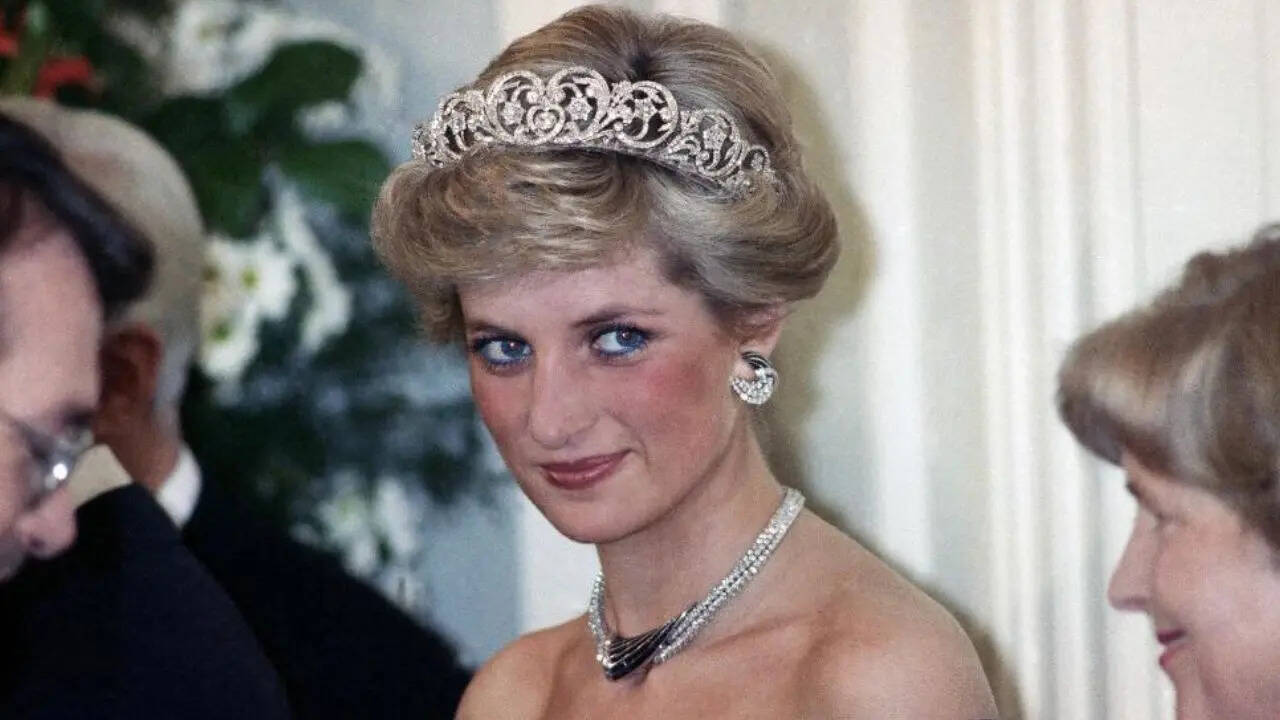
History loves a tidy label. We slap a shiny title on someone, box up their legacy, and pretend we figured them out. Princess Diana spent her entire adult life running away from those exact boxes.
When people tried to crown her as a global icon, a fashion deity, or a saint carved out of marble, she pushed back hard. She famously told biographers and interviewers that she wasn't an icon. She said she was just a mother trying to protect her boys.
People miss the point of that quote completely. They think it's false modesty. It's not. It's a refusal to let public mythology swallow her humanity alive. Let's look past the royal gloss and figure out why her rejection of the icon status still matters so much today.
The Weight of the Crown and the Reality of Motherhood
Life inside the House of Windsor rarely leaves room for messy human feelings. You're expected to smile through the chaos, wave from the balcony, and keep the machinery running. Diana hated that script.
When she walked out of formal engagements, she didn't want to talk about global politics or high society. She wanted to talk about her kids. William and Harry were her anchor in a storm of relentless tabloid intrusion.
Think about the sheer scale of pressure she dealt with daily. Every outfit was dissected. Every facial expression launched a thousand newspaper theories. By calling herself just a mother, she was stripping away the armor the press forced on her. She was saying that beneath the Catherine Walker dresses and the tiaras, there was a real person trying to raise two boys through an agonizingly public divorce.
Most profiles of Diana lean heavily on the tragedy of her ending. That's a lazy way to tell her story. Her real power came from how she dismantled the untouchable aura of royalty. When she sat down for the famous 1995 Panorama interview, she didn't speak like a distant queen. She spoke like an exhausted, isolated human being who had enough of the institution's games.
Why the Icon Label Is a Trap
We use the word icon as a compliment. It's actually a dismissal.
When you turn a living person into an icon, you stop listening to what they actually say. You flatten their contradictions. You ignore their mistakes, their anger, and their flaws. You turn them into a cardboard cutout that you can project your own desires onto.
Diana knew this better than anyone. The moment the media anointed her the Queen of Hearts, she lost the right to be complicated. If she had a bad day, photographers framed it as a crisis. If she showed frustration, they called her unstable.
Rejecting the icon tag was an act of self-preservation. It was her way of drawing a hard line in the sand. You can take the photographs, she seemed to argue, but you don't own my soul.
We do this exact same thing to public figures today. We build them up on social media just to watch them stumble. We demand perfection, authenticity, and superhuman grace, all while hiding behind our screens. Diana’s pushback against her own mythos is a warning we still refuse to hear. Stop turning real people into monuments. Monuments can't breathe, and they certainly can't fight back.
Redefining Royal Duty from the Ground Up
You can't talk about Diana without looking at her charity work, but you have to look at it honestly. She didn't just show up to ribbon cuttings and wave from a safe distance.
She touched people with HIV when the world treated them like biological hazards. She walked through active minefields in Angola to show the brutal cost of war. These weren't calculated public relations moves approved by stiff palace aides. They were visceral, human reactions to suffering.
Traditional royals kept their distance. Diana leaned in. She hugged patients. She sat on the edge of hospital beds. When critics accused her of seeking attention, she used that exact attention to shine a blinding light on forgotten causes.
She redefined what it meant to care in the public eye. She proved that empathy is an active, messy verb, not a passive photo opportunity. She didn't want to be admired from afar. She wanted to get her hands dirty. That requires a very specific kind of courage. Most people would rather look away. Diana stared right into the ugliest parts of society and refused to blink.
The Legacy We Choose to Remember
Decades after her death in 1994, people still fight over her narrative. Every television show, every documentary, and every biography tries to claim a piece of her.
Some paint her as a helpless victim of a cold family. Others paint her as a master manipulator who played the press like a fiddle. Both versions miss the mark. She was neither a saint nor a villain. She was a woman learning how to survive a gilded cage while raising two children under a microscope.
When you look back at her life, stop focusing purely on the heartbreak. Look at the rebellion. Look at the way she carved out a shred of genuine humanity in a system designed to crush it.
Honor her memory by dropping the saintly worship. Stop looking for icons to save you. Pay attention to the messy, complicated, everyday work of showing up for the people right in front of you. That is what she was trying to do all along.